Select proper substrate
Grow the fungus on fresh, non-resinous hardwood (e.g., oak, beech, maple) that has been recently cut and kept moist, as old, decayed, or very dry wood drastically reduces colonization and fruiting.

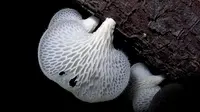
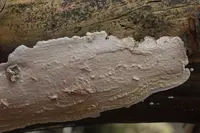
Favolus tenuiculus is a small, shelf-like wood-decay fungus rather than a leafy houseplant. It forms thin, fan-shaped brackets with a porous underside that help break down dead wood in warm forests. The caps are usually cream to pale brown and grow in overlapping clusters on fallen branches or decaying logs.
This species occurs mainly in tropical and subtropical regions, often in humid lowland forests. It is valued more for ecological interest than for ornamental display, so it is rarely grown at home. Those who wish to care for Favolus tenuiculus typically focus on providing consistently moist, woody substrate, shaded conditions, and good air circulation.

Care Difficulty
Moderate Care

Light Preference
Shade

Water Requirements
Keep Soil Moist

Temperature Preference
Tropical / Frost Sensitive

Hardiness Zone
Unknown

Soil Texture
Loamy, Silty, Organic-rich

Soil pH
Acidic (5.5–6.5)

Soil Drainage
Moist but well-drained

Fertilization
Minimal (feed rarely)
Scan your plant to receive care tips personalized for your specific plant
Available on iOS and Android
This wood-decaying bracket fungus prefers low, indirect forest light rather than direct sun exposure.
Moisture management focuses on keeping host wood evenly damp without staying waterlogged.
This species thrives in warm, frost-free conditions that mimic a humid, subtropical forest floor.
This bracket fungus prefers consistently moist air rather than dry indoor conditions.
Favolus tenuiculus is a wood-decaying fungus that does not use mineral soil but benefits from a carefully prepared lignocellulosic substrate.
This species is suitable for container cultivation when grown on sterilized wood-based substrates rather than soil.
This wood-decaying fungus usually grows on nutrient-rich dead wood and does not benefit from added fertilizer in typical cultivation.
As a bracket fungus, Favolus tenuiculus does not require pruning in the usual horticultural sense.
Cultivated Favolus tenuiculus is usually managed by renewing its substrate rather than traditional repotting.
This species is propagated by spores or by transferring colonized substrate rather than by cuttings or division.
Outdoor cultures in cool climates need basic winter management, especially in regions with freezing temperatures.

Plant Health Check
Not sure what's wrong with your plant? Check your plant's health inside the app.
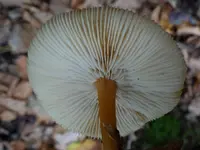
Its fruiting bodies have a pale, almost white cap with angular, hexagon-like pores on the underside rather than gills, making it easy to distinguish from many other wood-decay fungi in tropical forests.
This species occurs across a wide pantropical range, including parts of Central and South America, Africa, and Asia, typically on dead hardwood in humid lowland forests.
It is a white-rot fungus that decomposes lignin in wood, leaving a fibrous, whitish residue and playing an important role in nutrient cycling and forest decomposition dynamics.
This bracket fungus is regarded as inedible. The flesh is thin, tough, and lacks culinary value, even though it is not known as dangerously poisonous. It is best treated as a non-food, purely ornamental or study species.
Keep your plants happy and healthy with plant identification, disease detection, and easy care guidance.