watery toughshank Care (Gymnopus aquosus)

watery toughshank

About watery toughshank

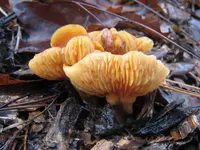
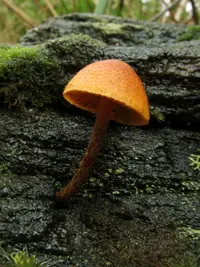
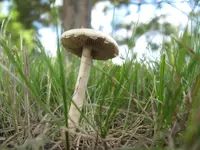
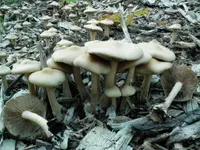
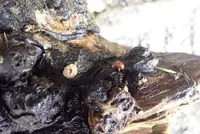
Watery toughshank (Gymnopus aquosus) is a small saprotrophic fungus, not a traditional houseplant. It lives on decaying leaf litter and woody debris, helping recycle organic matter in forest ecosystems. Caps are usually pale to brownish and often look moist or glossy, with slender flexible stems.

This species is found mainly in temperate woodlands, including conifer and mixed forests, often appearing in scattered groups after wet weather. It is not commonly cultivated, and attempts to care for watery toughshank at home are usually challenging because it depends on complex soil and woodland conditions that are hard to reproduce.

In nature it favors cool, damp, shaded habitats with plenty of decaying organic material and stable moisture, rather than direct light or dry, compacted soil.

Main Plant Requirements

Care Difficulty

Moderate Care

Light Preference

Shade

Water Requirements

Keep Soil Moist

Temperature Preference

Cool Climate

Hardiness Zone

Unknown

Soil Texture

Loamy, Silty, Organic-rich

Soil pH

Acidic (5.5–6.5), Slightly acidic (6.5–7.0)

Soil Drainage

Moist but well-drained

Fertilization

Minimal (feed rarely)

Get Personalized Care Plan

Scan your plant to receive care tips personalized for your specific plant

Available on iOS and Android

How to Care for the watery toughshank

This woodland fungus prefers low to moderate light similar to a shaded forest floor.

  • Provide bright shade or dappled light under deciduous trees, with no more than 1–2 hours of gentle morning sun and full protection from strong afternoon sun.
  • Choose north or east sides of logs, stumps, or leaf-littered beds so watery toughshank is shielded from direct midsummer sun and drying winds.
  • In summer, increase shade using shrubs, groundcovers, or leaf litter; in late autumn and winter, natural lower sun intensity is usually safe even with more open canopy.

This species thrives in consistently moist, cool substrates rich in decaying organic matter.

  • Maintain evenly moist conditions in leaf litter, rotting wood, or humus; material should feel damp to the touch but never waterlogged or sour-smelling.
  • Increase moisture during warm, dry spells by soaking the surrounding litter or wood thoroughly, then allowing excess water to drain away rather than pooling.
  • Reduce extra watering in cool, rainy seasons and watch for signs of excess moisture such as foul odor, algae, or standing water, which suggest poor drainage and possible rot in Gymnopus aquosus habitats.

This mushroom is adapted to cool, temperate conditions typical of shaded woodland floors.

  • Support best fruiting in cool to mild conditions around 50–68°F (10–20°C), which favor steady decomposition and moisture retention in leaf litter and rotting wood.
  • Expect mycelium to survive short dips near 32°F (0°C), but repeated hard frost below 25°F (-4°C) can suppress or kill surface growth and damage exposed fruiting bodies.
  • Limit exposure to heat above 77–86°F (25–30°C), since hot, dry weather rapidly dehydrates substrates; rely on shade, thick mulch, and natural seasonal cooling for recovery.

This woodland fungus favors consistently moist air but does not require extreme humidity to fruit reliably.

  • Aim for 60–80% humidity in sheltered, shaded spots, similar to a damp forest floor microclimate.
  • It tolerates brief dips to 40–50% humidity, but prolonged dry air slows growth and reduces fruiting of watery toughshank.
  • Watch for caps drying, cracking, or failing to expand as signs of low humidity stress; increase moisture with nearby mulch, leaf litter, or a light mist on surrounding substrate, not directly on caps.

This saprobic fungus needs organic-rich, consistently moist substrate rather than conventional garden soil.

  • Use a loose, humus-rich mix such as shredded hardwood leaf litter, well-rotted wood chips, and composted bark to mimic forest floor conditions for Gymnopus aquosus.
  • Ensure rapid surface drainage while retaining internal moisture by avoiding dense clay and adding coarse wood chips that create air gaps.
  • Keep pH slightly acidic to neutral, around 5.5–7.0, by relying on leaf mold and avoiding lime or alkaline amendments.
  • Do not compact the substrate; maintain a crumbly, layered structure with fresh leaf litter or woody debris on top to protect the fungal mycelium from drying and overheating.

This species is only moderately suitable for container culture when the goal is to simulate a small, shaded woodland substrate.

  • Select a wide, shallow tub or box that allows a broad layer of woody substrate rather than a deep soil column.
  • Use a container material that slows evaporation, such as thick plastic or glazed ceramic, to help keep the fungal substrate evenly moist.
  • Elevate the container and use side drainage holes near the base so excess water escapes while the interior substrate remains cool and aerated.

This woodland fungus relies on decaying organic matter and usually needs no added fertilizer in gardens or cultivation.

Gymnopus aquosus does not need structured pruning, but light cleanup can support hygiene in cultivated setups.

  • Remove spent or decaying fruiting bodies with clean scissors to limit mold and bacterial growth.
  • Cut away any damaged or misshapen clusters to keep spore production focused on healthy mushrooms.
  • Avoid disturbing the underlying mycelium network; only trim above‑surface structures.
  • Disinfect tools with alcohol before and after use to reduce disease transfer between culture areas.

In cultivation, this species is usually managed by renewing or moving its substrate rather than traditional repotting.

  • Transplant or refresh the substrate when fruiting declines, contamination appears, or the container is fully colonized.
  • Plan moves for cool, stable periods, avoiding hot, dry weather that stresses the mycelium.
  • Expect to renew or transfer the culture every 1–2 years, depending on substrate breakdown and contamination levels.
  • Handle colonized material gently, keeping it slightly moist and shaded to limit mycelium damage during transfer.

Propagation of Gymnopus aquosus is typically done by mycelium transfer rather than by amateur spore sowing.

  • Use clean fragments of colonized substrate or agar to start new containers or beds.
  • Carry out transfers in cool, low‑draft conditions and, if possible, near a flame or in a simple still‑air box.
  • Place fresh material on a moist, woody or leaf‑rich substrate that mimics natural forest litter.
  • Maintain moderate moisture and good, indirect airflow to support steady mycelial spread without waterlogging.

Outdoors, this woodland decomposer is naturally cold tolerant and usually needs no special winter care.

Care Tips

Sterile Substrate Use

Prepare a growth medium using pasteurized hardwood sawdust or well-composted woodchip mulch to minimize competing fungi and bacteria when growing watery toughshank outdoors or in controlled beds.

Moisture Buffer Layer

Add a 1–2 cm top dressing of damp, clean leaf litter or fine bark over the inoculated wood substrate to help retain surface moisture and protect developing mycelium from rapid drying.

Shaded Site Selection

Choose a north-facing edge of a woodland bed, hedge, or structure that provides consistent dappled shade and reduces temperature fluctuations that stress the mycelium.

Gentle Harvest Technique

Cut fruiting bodies at the base with a clean knife instead of pulling them out, leaving the underlying mycelium intact so it can continue to produce new mushrooms.

Seasonal Bed Renewal

Every 1–2 years, top up the colony area with a thin layer of fresh, compatible hardwood chips or leaf litter to replace decomposed material and keep the fungus supplied with long-term food resources.

Common Pests and Diseases

Mycophagous springtails

These insects feed on fungal tissue, grazing the fruiting bodies and sometimes the mycelium in persistently wet substrates. Symptoms include pitted, roughened caps and rapid cosmetic deterioration of the mushrooms.

Solution

Reduce excess surface moisture by improving drainage and ventilation, and avoid over‑misting the substrate. Remove heavily grazed fruiting bodies, then use fine mesh or physical barriers to limit access, and if indoors apply a targeted, substrate‑safe biological control such as beneficial nematodes to lower springtail populations.

Sciarid fungus gnats

These insects lay eggs in moist, organic substrates where larvae feed on fine mycelium and young primordia, leading to stunted or aborted mushroom development. Symptoms include distorted or hollow stems and tiny black adult gnats hovering around the growing area.

Solution

Allow the surface of the substrate to dry slightly between mistings while keeping internal moisture stable, and improve airflow to discourage adults. Use yellow sticky traps to capture flying gnats, remove infested fruiting bodies, and consider a biological larval control such as Bacillus thuringiensis israelensis (Bti) according to label directions.

Parasitic Hypomyces mold

This disease is caused by parasitic fungi (often Hypomyces species) that overgrow mushroom caps and stems with a white to colored mold, eventually deforming or killing the fruiting bodies. Symptoms include felt‑like patches on caps that thicken into crusty, discolored areas.

Solution

Promptly remove and discard all infected fruiting bodies and any visibly contaminated substrate to reduce spore load. Increase air movement, avoid water splashing between clusters, sanitize tools and containers with 70% alcohol or diluted bleach, and reduce overcrowding of fruiting bodies to limit spread.

Bacterial blotch

This disease develops in conditions of prolonged surface wetness, causing slimy, greasy spots or streaks on caps that may turn yellow‑brown. Symptoms include water‑soaked, slippery areas on the mushroom surface with an unpleasant odor in advanced cases.

Solution

Lower humidity slightly and avoid overhead spraying that leaves standing water on caps, instead mist the air or substrate edges. Remove affected mushrooms, increase fresh air exchange, and clean growing equipment and surfaces regularly to reduce bacterial reservoirs.

Trichoderma green mold

This disease begins as a white mycelial growth in the substrate or at the base of stems, later turning bright green as spores develop and aggressively competing with the mushroom mycelium. Symptoms include stalled or patchy colonization, poor fruiting, and green powdery patches on or in the substrate.

Solution

Isolate or discard heavily contaminated substrate blocks to prevent spore spread, and clean the growing area thoroughly after removal. In future cycles, pasteurize or sterilize the substrate properly, avoid overwatering, maintain good airflow, and use clean tools and containers to minimize new Trichoderma introductions.

Interesting Facts

Association with wet habitats

This species characteristically fruits in very damp leaf litter and moss in coniferous or mixed forests, often near seeps, ditches, or other persistently wet microhabitats, which is reflected in its epithet aquosus meaning watery.

Slender, tough stipe

The fruiting body develops a notably thin yet fibrous stem that is flexible and tough rather than brittle, a typical but especially marked feature in this species within its genus.

Subtle identification features

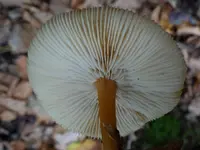
It is distinguished from similar brown woodland mushrooms by a combination of its moist habitat preference, relatively small, pale to reddish-brown caps, and microscopic traits such as smooth, non-ornamented spores and the structure of its pileipellis, the cap surface tissue.

FAQs about watery toughshank

This woodland mushroom is not considered a good edible species. It is often described as inedible due to its tough texture and limited culinary value. Identification errors with similar brown fungi can also present safety risks.

Grow Healthy Plants with Botan Care

Keep your plants happy and healthy with plant identification, disease detection, and easy care guidance.

Botan plant care app — identify plants on mobile

Explore More Plants