Bearded Fieldcap Care (Agrocybe molesta)

Bearded Fieldcap

About Bearded Fieldcap

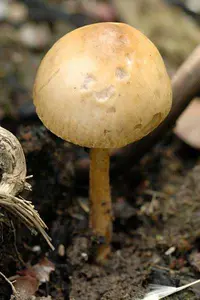
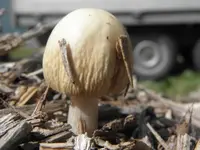
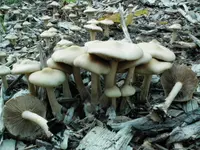
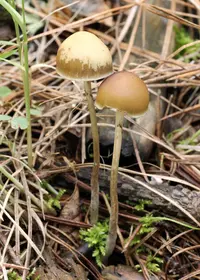
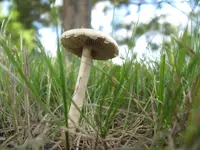
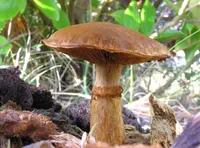
Bearded fieldcap, Agrocybe molesta, is a saprophytic mushroom that grows on rich organic matter rather than functioning as a traditional garden plant. It typically forms medium-sized, pale to tan caps with closely spaced gills and a sturdy, straight stem, often appearing in groups. In nature it is found in temperate regions, especially in fields, gardens, and compost-enriched soils. This fungus develops quickly when organic material stays moist and mildly shaded, which can make it appear suddenly in lawns or beds. It is not a common choice for deliberate cultivation, so information on how to care for Bearded Fieldcap is limited and mainly of interest to mushroom specialists.

Main Plant Requirements

Care Difficulty

Moderate Care

Light Preference

Partial Shade

Water Requirements

Keep Soil Moist

Temperature Preference

Cool Climate

Hardiness Zone

Unknown

Soil Texture

Loamy, Silty, Organic-rich

Soil pH

Slightly acidic (6.5–7.0), Neutral (7.0)

Soil Drainage

Moist but well-drained

Fertilization

Minimal (feed rarely)

Get Personalized Care Plan

Scan your plant to receive care tips personalized for your specific plant

Available on iOS and Android

How to Care for the Bearded Fieldcap

This saprophytic mushroom prefers gentle, indirect light rather than strong, direct sun.

  • Provide bright, indirect light or light shade, such as dappled woodland shade or filtered morning sun, for 3–5 hours per day.
  • Protect Bearded Fieldcap from strong midday and afternoon sun, which can dry the substrate and damage developing fruiting bodies.
  • In summer, increase shade or move to a more sheltered spot; in cooler seasons, allow a bit more morning light while still avoiding harsh direct exposure.

Moist but not waterlogged conditions are essential for reliable fruiting.

  • Maintain evenly moist substrate, watering only when the top 2–3 cm feel just barely damp rather than saturated.
  • Use well‑drained organic material; avoid standing water, which causes sour smells, slimy patches, or mold growth indicating overwatering.
  • During hot, dry periods, mist or water more often to prevent surface drying and cracking; reduce watering in cool, wet weather to avoid anaerobic, oxygen‑poor conditions.

Stable, cool to mild temperatures support healthy mycelium and fruiting.

  • Aim for 55–68°F (13–20°C) as the main growth range, where mycelium colonizes substrate efficiently.
  • Short exposures down to about 40°F (4°C) are tolerated, but hard frost below 32°F (0°C) can damage fruiting bodies and slow recovery.
  • Above 77°F (25°C) growth weakens; prolonged heat over 86°F (30°C) dries substrates quickly, so increase shading and moisture and avoid exposed, heat‑reflective surfaces.

This mushroom needs consistently moist, humid air to fruit well.

  • Aim for 70–90% humidity around developing caps and stems, especially during fruiting.
  • Tolerates only brief dips into drier air; caps cracking or edges curling indicate humidity stress.
  • Increase humidity with a clear humidity tent, frequent fine misting of walls or substrate, and a tray of water with airflow.

Agrocybe molesta fruits best on loose, organic‑rich substrate rather than typical garden soil.

  • Use a mix based on well‑pasteurized straw, composted manure, or hardwood sawdust, kept loose to maintain air pockets.
  • Ensure excess water drains freely; a soggy, anaerobic substrate encourages competing molds and bacterial rot.
  • Keep pH roughly neutral, around 6.5–7.5, by avoiding very acidic peat‑heavy mixes unless buffered with lime.
  • Improve structure and aeration by blending coarse particles like chopped straw or wood chips into finer composted material.

This species can be grown in containers if moisture and aeration are carefully managed.

  • Select deep trays or buckets that allow at least 15–20 cm of substrate depth so the mycelium can colonize evenly.
  • Drill extra side and bottom holes, then line with breathable plastic or fabric to balance drainage with humidity retention.
  • Place containers in a secondary tray or tub to catch runoff and to help maintain a humid microclimate around the substrate surface.

Agrocybe molesta, a saprophytic fungus grown on nutrient-rich substrate, usually needs no additional fertilizer if the growing medium is fresh and well balanced.

Pruning is not relevant for Agrocybe molesta, as it is a mushroom-forming fungus rather than a woody or leafy plant.

This species is typically managed by renewing or moving its substrate rather than conventional repotting.

  • Transplant or shift culture when the substrate is fully colonized, yields decline, or contamination appears.
  • Plan moves during active growth, transferring colonized blocks or bags to fresh fruiting spaces with similar temperature and humidity.
  • Handle blocks gently to limit mycelium breakage and avoid exposing colonized substrate to direct sun or drafts.
  • After moving, maintain stable moisture and airflow to reduce stress on the mycelium and support consistent fruiting.

Propagation of Agrocybe molesta is specialized and usually handled by experienced growers using sterile techniques.

Outdoor cultivation of Bearded Fieldcap in most temperate climates needs only basic seasonal management rather than intensive winter protection.

  • In cold regions, keep colonized substrate in a sheltered but cool area, avoiding repeated freeze–thaw cycles.
  • Maintain moderate moisture; do not let blocks dry out completely during winter dormancy.
  • For container or bag culture, an unheated garage, shed, or cold frame often provides adequate winter conditions.

Care Tips

Use Pasteurized Substrate

Run straw or hardwood sawdust through a 150–160°F hot-water pasteurization for 60–90 minutes, then cool quickly, to reduce competing fungi and bacteria before inoculation.

Optimize Inoculation Rate

Use a relatively high spawn rate of 8–12% of wet substrate weight to help Agrocybe molesta colonize faster and outcompete contaminants, especially in home or small-scale setups.

Controlled Ventilation Management

Provide gentle, filtered air exchange during colonization and increase fresh air during fruiting while avoiding direct drafts, which helps balance CO₂ removal with moisture retention when growing Bearded Fieldcap.

Surface Casing Technique

After full colonization, apply a thin 0.5–1 cm layer of clean, moist casing mix (such as pasteurized peat and vermiculite) to stabilize humidity at the substrate surface and promote more even fruiting.

Staggered Harvest Timing

Harvest caps just before the gills darken and spores drop, checking trays twice daily during peak flushes to maintain quality and reduce spore load that can stress later flushes.

Common Pests and Diseases

Trichoderma green mold

This disease appears as fast-spreading green patches over the white mycelium and on the surface of the substrate. Symptoms include reduced mushroom formation and patches that turn powdery as spores develop.

Solution

Remove and discard heavily colonized blocks or trays to prevent spore spread, and reduce excess moisture and unsterile organic debris in the growing area. Improve hygiene by thoroughly cleaning tools and surfaces, using well-pasteurized or sterilized substrate, and increasing fresh air exchange to reduce high CO2 and humidity pockets that favor green mold.

Bacterial blotch

This disease causes slimy, water-soaked, yellow to brown spots on caps, often starting near handling injuries or areas with standing water. Symptoms include softening of tissue and a greasy appearance on affected mushrooms.

Solution

Reduce overhead misting, avoid water sitting on caps, and increase air circulation to let surfaces dry between irrigations. Remove and discard affected fruiting bodies, sanitize tools and work surfaces, and keep relative humidity stable but not excessive to limit bacterial spread.

Fungus gnats

These insects are small, dark flying gnats whose larvae feed in the moist substrate and can tunnel through mycelium and developing mushrooms. This pest can reduce yields and open wounds that allow entry of secondary pathogens.

Solution

Use fine mesh screens on vents, sticky traps to monitor and capture adults, and avoid over-wet, decomposing substrate that favors larvae. If populations build, consider a targeted biological control such as Bacillus thuringiensis israelensis (BTI) applied to the substrate, while maintaining good hygiene and removing spent or contaminated blocks promptly.

Cobweb mold

This disease shows as a light gray, very fluffy web-like growth that spreads quickly over casing or substrate and onto mushrooms. Symptoms include rapid coverage of surfaces and eventual collapse or decay of affected fruiting bodies.

Solution

At first signs, carefully remove localized contaminated material and reduce humidity slightly while increasing fresh air exchange. Spot-treat affected areas with a mild food-safe disinfectant or a diluted hydrogen peroxide solution, and maintain strict cleanliness of the grow room and tools to prevent reintroduction.

Mites

These insects are tiny, often pale or translucent arthropods that move across substrate and mushroom surfaces, sometimes visible as fine dust-like clusters. This pest may scar caps, impede mycelial growth, and spread other contaminants between blocks or trays.

Solution

Discard heavily infested substrate and thoroughly clean shelves, walls, and equipment with hot water and detergent. Improve exclusion with seals and filters, store raw materials off the floor, and if needed introduce compatible biological controls such as predatory mites while avoiding broad-spectrum chemicals that can disrupt the mushroom production environment.

Interesting Facts

Soil and grass specialist

This mushroom is a saprotroph that specializes in decomposing rich, compacted soils and grassland thatch, often appearing in lawns, pastures, and disturbed ground with high organic matter.

Unusual fleshy stipe

Compared with many small lawn fungi, this species develops a relatively stout, often slightly club-shaped stem with firm, fibrous flesh that helps distinguish it from more fragile Agrocybe species.

Spore print identity clue

It produces a medium to dark brown spore print and smooth, ellipsoid spores, a combination that mycologists use, together with its robust stature and habitat, to separate it from similar Agrocybe species.

FAQs about Bearded Fieldcap

Identification of small brown mushrooms is difficult, and many similar species are unsafe. This species is not recommended for consumption, especially by beginners. Treat it as inedible unless confirmed by an expert mycologist familiar with local fungi.

Grow Healthy Plants with Botan Care

Keep your plants happy and healthy with plant identification, disease detection, and easy care guidance.

Botan plant care app — identify plants on mobile

Explore More Plants