Substrate layering
Create a 5–8 cm deep top layer of fresh hardwood mulch or shredded bark over older material each season to provide a continuous supply of decomposing substrate that supports new fruiting cycles.

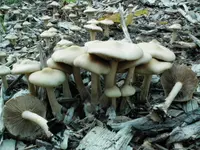
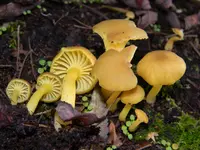
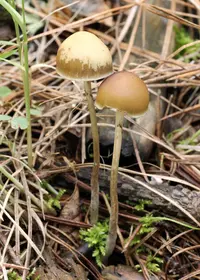
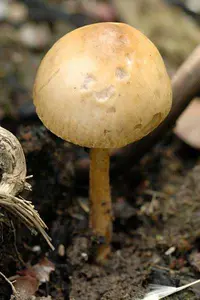
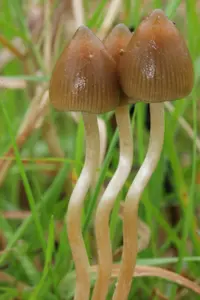
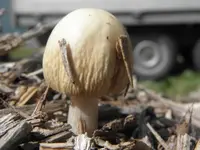
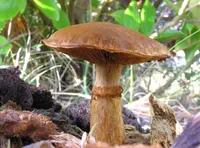
Mulch fieldcap (Agrocybe putaminum) is a small saprophytic mushroom that feeds on decaying organic matter, especially wood chips and garden mulch. It forms clusters of tan to brown caps with slender pale stems, often appearing after rain in landscaped beds, paths, and compost-rich areas.
This species is more common in urban and suburban environments than in wild forests, following human use of mulch and wood waste. It typically grows quickly, then disappears within days, which is normal for many short-lived fungi.
Gardeners usually notice it as a sign of active decomposition and healthy soil life. Those who want to care for Mulch Fieldcap should focus on maintaining stable mulch layers and evenly moist, organic-rich substrates.

Care Difficulty
Moderate Care

Light Preference
Partial Shade

Water Requirements
Keep Soil Moist

Temperature Preference
Warm Climate

Hardiness Zone
Unknown

Soil Texture
Loamy, Organic-rich

Soil pH
Slightly acidic (6.5–7.0)

Soil Drainage
Moist but well-drained

Fertilization
Minimal (feed rarely)
Scan your plant to receive care tips personalized for your specific plant
Available on iOS and Android
This saprophytic mulch-dwelling mushroom prefers cool, softly lit conditions rather than strong direct sun.
This mulch-inhabiting fungus depends on consistently moist, not waterlogged, substrate to form healthy fruiting bodies.
This species favors cool to mild conditions and usually fruits during moist, moderate weather.
This saprophytic mushroom is not humidity-sensitive in garden conditions and grows in typical outdoor air moisture.
This species fruits best in loose, organic, mulch-like substrates rather than mineral garden soil.
This fungus can be grown in containers filled with organic mulch, mainly for observation or study rather than crop use.
Agrocybe putaminum fruits on nutrient-rich woody mulch and usually needs no added fertilizer in gardens.
Pruning is not used as a management tool for Agrocybe putaminum, since it is a saprophytic fungus rather than a leafy plant.
Transplanting focuses on moving colonized mulch or substrate rather than handling Agrocybe putaminum like a potted plant.
Propagation of Agrocybe putaminum is done through spores or more reliably by expanding existing mycelium into fresh woody mulch.
Mulch Fieldcap is generally cold hardy in temperate climates and needs no specific winter protection beyond normal mulch management.

Plant Health Check
Not sure what's wrong with your plant? Check your plant's health inside the app.
This species is strongly associated with piles of woodchip mulch, bark, and woody garden debris, appearing most often in man‑made mulched beds rather than in undisturbed natural forests.
It has expanded noticeably in urban and suburban areas in parts of Europe and North America, likely moved unintentionally with commercial woodchip and bark products used in landscaping.
Mature caps produce a dull brown to tobacco‑brown spore print, a feature that helps separate it from some superficially similar garden mushrooms with white or pinkish spores.
This species is generally regarded as inedible and not recommended for consumption due to potential misidentification with toxic brown mushrooms. It has little culinary value. Foraging should only be done with expert guidance and local verification.
Keep your plants happy and healthy with plant identification, disease detection, and easy care guidance.