Parasitic Clitocybe Care (Clitocybe sclerotoidea)

Parasitic Clitocybe

About Parasitic Clitocybe

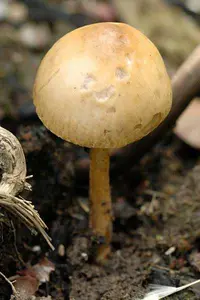
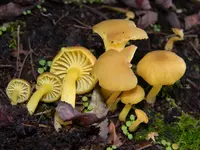
Parasitic Clitocybe, Clitocybe sclerotoidea, is a small parasitic fungus rather than a leafy plant. It typically appears as low, pale to brownish caps emerging from dense, dark sclerotia, which are hardened fungal structures. These clusters are often found on soil or organic debris in woodland or grassland habitats.

In nature it occurs in temperate regions, usually in moist, cool conditions with plenty of decaying organic matter. It is considered difficult to cultivate intentionally, so most information on how to care for Parasitic Clitocybe comes from observing it in the wild rather than from home or garden growing.

This fungus favors consistent moisture, shaded to semi-shaded spots, and substrates rich in organic material, but is rarely maintained as a deliberate “plant” in collections.

Main Plant Requirements

Care Difficulty

Moderate Care

Light Preference

Partial Shade

Water Requirements

Keep Soil Moist

Temperature Preference

Cool Climate

Hardiness Zone

Unknown

Soil Texture

Loamy, Silty, Organic-rich

Soil pH

Acidic (5.5–6.5), Slightly acidic (6.5–7.0)

Soil Drainage

Moist but well-drained

Fertilization

Minimal (feed rarely)

Get Personalized Care Plan

Scan your plant to receive care tips personalized for your specific plant

Available on iOS and Android

How to Care for the Parasitic Clitocybe

This fungus develops best in low, gentle light that mimics shaded woodland conditions.

  • Provide dappled or filtered light under shrubs, grasses, or low vegetation, avoiding direct midday sun that can dry the substrate too quickly.
  • Aim for bright shade or soft morning sun for up to 1–2 hours, with the rest of the day in shade or high, indirect light to prevent desiccation of host material.
  • In summer, protect Parasitic Clitocybe from harsh afternoon sun, while in late fall and winter, natural lower light levels are usually adequate without adjustment.

Moist but not waterlogged conditions are important for healthy development of Clitocybe sclerotoidea.

  • Maintain consistently damp soil or host substrate, allowing the top 1–2 cm to feel just slightly dry before rewetting, rather than following a fixed calendar schedule.
  • Ensure excellent drainage so excess water runs off quickly; standing water, sour odors, or slimy organic matter indicate overwatering and low oxygen around fungal tissues.
  • In warm, windy periods increase moisture checks, while in cool or rainy seasons reduce added water to avoid rot, watching for shriveling or brittleness as signs of dryness.

Stable cool to mild temperatures support reliable fruiting and growth for this fungus.

  • Target an active growth range of 50–68°F (10–20°C), which reflects typical cool-weather woodland or grassland conditions where this species often appears.
  • Tolerate brief drops to around 32°F (0°C), but sustained hard frost below 28°F (-2°C) can damage fruiting bodies, so expect surface structures to decline after freezes.
  • In hot spells above 77–86°F (25–30°C), protect the substrate from overheating and drying by providing shade and organic mulch, which buffer sudden temperature swings.

This fungus tolerates moderate household humidity but benefits from slightly moist air around developing fruiting bodies.

  • Aim for 50–70% humidity, avoiding both very dry heated rooms and persistently saturated, stagnant air.
  • Dry air may cause caps to crack or dry at the edges; overly damp, still air encourages surface mold on substrates.
  • Increase local humidity by placing trays of damp perlite nearby or lightly misting surrounding surfaces, not the caps directly, when caring for Parasitic Clitocybe.

Clitocybe sclerotoidea prefers a loose, consistently moist but not waterlogged substrate rather than conventional potting soil.

  • Use a mix based on well-rotted organic matter such as leaf litter, fine bark, and a small portion of loam to mimic decaying woodland debris.
  • Ensure very free drainage; water should pass through quickly while the mix remains evenly damp, not soggy or compacted.
  • Maintain a slightly acidic to neutral reaction, roughly pH 5.5–7.0, by avoiding lime-heavy components and using leaf mold or pine-based material.
  • Improve aeration by incorporating coarse particles (fine bark chips, perlite, or coarse sand) so mycelium receives enough oxygen and does not suffocate.

This species is only moderately suitable for container culture and is best attempted in specialized outdoor tubs or boxes.

  • Choose a wide, shallow container to spread substrate horizontally, allowing the fungus to colonize in a broad sheet similar to its natural habit.
  • Drill multiple side and base holes so excess water exits quickly while also increasing air exchange through the substrate profile.
  • Use a rigid, opaque container material to block light from the substrate, which helps maintain stable moisture and reduces green algae growth on the surface.

This parasitic fungus usually grows on host plants without added nutrients and seldom benefits from deliberate feeding.

Clitocybe sclerotoidea does not require structured pruning, but minimal hygiene management is useful in cultivation trials.

  • Remove decomposed, moldy, or insect-infested fruiting bodies with clean gloves or tongs to limit disease buildup.
  • Trim heavily shaded or collapsing host stems nearby only if they block airflow around the fungal colony.
  • Discard removed material in sealed bags rather than compost to reduce unwanted spread of spores.

As a parasitic fungus on woody hosts, this species is not suited to normal repotting and is rarely maintained in containers.

  • Transplanting is limited to moving colonized wood or bark pieces rather than handling the fungus directly.
  • If relocation is attempted, do it in cool, moist weather to reduce desiccation stress on the mycelium.
  • Place the colonized material against a compatible host trunk or stump at the same orientation and depth.
  • Keep the new site evenly moist but not waterlogged for several weeks to support mycelial adjustment.

Propagation of Clitocybe sclerotoidea is specialized and usually restricted to research or controlled collections rather than home culture.

  • Spore-based propagation requires sterile technique on nutrient agar, which is typically available only in laboratory conditions.
  • Mycelial transfer from infected wood to fresh host material is the most practical method in specialist setups.
  • Carry out transfers in cool, shaded conditions to reduce drying, and maintain high humidity for early establishment.

This fungus is naturally cold hardy in temperate climates and generally needs no special winter care in outdoor settings.

  • In very exposed sites, a light mulch around the host root zone can buffer temperature swings.
  • Avoid stripping or cleaning away colonized wood in winter so the mycelium remains insulated in the substrate.
  • Container-grown host sections, if used experimentally, should be overwintered in a cold but frost-free shed or garage.

Care Tips

Use clean substrate

Prepare a growth medium using freshly sterilized hardwood sawdust or wood chips to reduce competing fungi and bacteria that can quickly outgrow this species.

Introduce host material

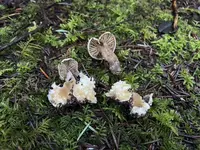
Because this fungus is parasitic on sclerotia of other fungi, place naturally infected host material or lab-grown inoculum in the substrate rather than trying to start it from spores alone.

Control moisture gradients

Set up the tray or container so that the lower layer stays evenly moist while the surface is just slightly damp, which helps the mycelium colonize deeply while reducing surface mold.

Provide gentle airflow

Use a small fan on a low, indirect setting or a vented humidity tent to keep air slowly moving around the culture, which limits bacterial growth and deformed fruiting bodies when growing Parasitic Clitocybe.

Rotate production sites

If cultivating outdoors or in a shed, rotate logs or substrate blocks to new positions each season to reduce buildup of competing fungi and maintain more reliable flushes.

Common Pests and Diseases

Mycoparasitic competition

This disease involves other parasitic or competitive fungi colonizing the same host sclerotia or substrate, reducing or preventing normal fruiting of this species. Symptoms include distorted, stunted, or absent basidiocarps where the fungus is expected to appear.

Solution

Remove and discard heavily colonized or malformed host material and any foreign fungal growths, then replace with fresh, clean host substrate if attempting to grow Clitocybe sclerotoidea under controlled conditions. Improve hygiene by sterilizing or pasteurizing substrate, using clean tools, and maintaining moderate airflow and low debris levels around culture areas to limit competing fungi.

Mite infestation

These insects are actually tiny arachnids that feed on fungal tissues, including developing caps and gills, leading to pitted, scarred, or partially eaten fruiting bodies. Symptoms include very small moving specks on caps or in gill spaces, and fine frass or dust-like debris around clusters.

Solution

Physically remove and discard infested fruiting bodies and surrounding substrate and, in indoor setups, gently rinse surfaces and equipment with clean water and mild soap, then dry thoroughly. In controlled culture, lower excess humidity, increase gentle air movement, and, if needed, introduce biological controls such as predatory mites sourced from reputable suppliers while avoiding broad-spectrum insect sprays that can damage the fungus.

Fungal bacterial blotch

This disease produces water-soaked, greasy, or brown spots on caps and stipes, often starting where free water remains on the surface. Symptoms include slimy patches, unpleasant odor, and rapid tissue breakdown in affected areas.

Solution

Discard any affected fruiting bodies at once and avoid handling healthy specimens with contaminated tools or hands, as part of Clitocybe sclerotoidea care instructions. Reduce standing water by watering or misting less, ensure good air circulation so surfaces dry within a few hours, and sanitize tools, benches, and containers with a dilute bleach or 70% alcohol solution between uses.

Mold contamination

This disease is caused by fast-growing molds such as Trichoderma or Penicillium that overrun the mycelium or fruiting surface, forming green, blue, or white fuzzy patches. Symptoms include sharply bordered colonies on substrate or nearby organic material and a noticeable drop in healthy fruit body development.

Solution

Promptly remove and discard contaminated substrate and surrounding organic matter, sealing it in a bag before disposal to reduce spore spread. For indoor culture, thoroughly clean and disinfect trays, shelves, and tools, improve ventilation and humidity control, and start again with sterilized substrate and known clean inoculum to reduce recurrence.

Interesting Facts

Highly specialized parasite

This fungus is an obligate parasite that forms fruiting bodies only on the hard, black sclerotia of other fungi, especially species of Ciboria and related genera, rather than on soil or wood like many other mushrooms.

Diagnostic microscopic features

Its spores are smooth, broadly ellipsoid, and inamyloid (they do not stain in iodine-based reagents), and it has thin-walled, clavate basidia, which help mycologists distinguish it from similar small, pale agarics.

Narrow ecological niche

It tends to appear in cool, moist forest habitats in temperate regions, where host sclerotia are present near the soil surface, giving it a patchy and rather localized distribution aligned with its hosts rather than particular plants or substrates.

FAQs about Parasitic Clitocybe

This fungus is not considered edible and should be treated as inedible. Identification within the genus Clitocybe is difficult, and several related species are toxic. For safety, do not eat it and avoid culinary use.

Grow Healthy Plants with Botan Care

Keep your plants happy and healthy with plant identification, disease detection, and easy care guidance.

Botan plant care app — identify plants on mobile

Explore More Plants