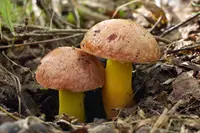
Roxane's bolete Care (Aureoboletus roxanae)

Roxane's bolete

About Roxane's bolete

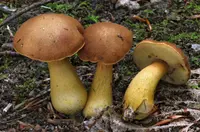
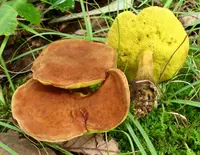
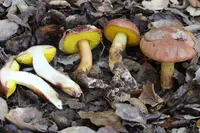
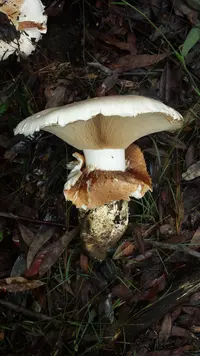
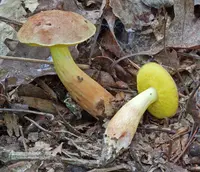
Roxane's bolete, Aureoboletus roxanae, is a fleshy, mycorrhizal fungus, not a leafy houseplant. It forms mutual partnerships with tree roots, helping both partners obtain nutrients and water. The mushroom typically shows a yellow to orange cap with a sponge-like pore surface instead of gills, and a sturdy, often yellowish stem. It appears on the ground in woodlands, especially in mixed or deciduous forests of eastern North America. For those who wish to care for Roxane's bolete in a managed setting, success depends on maintaining suitable host trees, undisturbed leaf litter, and consistently moist, well-drained soil rather than on typical pot culture.


Main Plant Requirements

Care Difficulty

Hard Care

Light Preference

Partial Shade

Water Requirements

Regular Water

Temperature Preference

Cool Climate

Hardiness Zone

Unknown

Soil Texture

Loamy, Silty, Organic-rich

Soil pH

Acidic (5.5–6.5)

Soil Drainage

Moist but well-drained

Fertilization

Minimal (feed rarely)

Get Personalized Care Plan

Scan your plant to receive care tips personalized for your specific plant

Available on iOS and Android

How to Care for the Roxane's bolete

This ectomycorrhizal fungus prefers dappled woodland light rather than direct, open sun.

  • Provide 2–4 hours of gentle morning sun with bright, filtered light for the rest of the day under deciduous trees, where leaf cover softens rays.
  • Ensure at least bright, open shade; deep, dense shade for most of the day reduces fruiting of Roxane's bolete even if the host tree is healthy.
  • Avoid harsh midday and afternoon sun in exposed sites; strong, direct light can overheat the upper soil layer and dry the mycelium zone too quickly.

This woodland bolete relies on evenly moist, well-drained soil around its host tree rather than frequent surface soaking.

  • Allow the top 2–4 cm of soil to feel slightly dry before irrigating, then water slowly so moisture penetrates 10–15 cm without puddling.
  • Use loose, humus-rich, well-drained soil; avoid compacted or waterlogged ground, which leads to sour smell, algae growth, or rotting feeder roots near Aureoboletus roxanae.
  • Reduce supplemental watering in cool, rainy seasons and increase only during extended dry, warm periods when leaf litter feels crisp and the soil pulls slightly from roots.

This species develops fruiting bodies best in mild to warm conditions typical of temperate forests.

  • Aim for an active growth window of about 60–77°F (16–25°C); caps often appear after several days within this range combined with steady soil moisture.
  • Protect the habitat from hard frost; sustained temperatures below 28°F (-2°C) in bare, exposed soil can damage fine roots and mycelium near the surface.
  • Tolerate short warm spells up to about 86°F (30°C) by maintaining shade and mulch; prolonged hotter, dry periods sharply reduce fruiting and can desiccate the upper soil layer.

This ectomycorrhizal fungus prefers consistently moist, humid woodland conditions rather than dry air.

  • Aim for 60–80% humidity, mimicking shaded forest conditions with damp leaf litter or moss around host trees.
  • Tolerates brief drops to 40–50% humidity, but prolonged dry air leads to shriveling caps and faster pore surface drying.
  • Low humidity stress shows as cracked, dull, rapidly desiccating fruiting bodies; increase humidity with fine misting of the surrounding substrate, not direct spraying on caps.

This species fruits best in moist, aerated, organic-rich forest soil associated with suitable host trees.

  • Use a loose, humus-rich, loamy substrate with plenty of leaf mold or well-rotted wood to mimic natural forest floor structure.
  • Ensure drainage is moderate: soil should stay evenly moist but never waterlogged, so incorporate coarse sand and fine bark to prevent saturation.
  • Maintain slightly acidic soil, roughly pH 5.0–6.5, since Aureoboletus roxanae associates most reliably with acid to mildly acidic woodland sites.
  • Avoid compacted clay, sterilized bagged mixes, or heavily fertilized soils; improve aeration by gently mixing in coarse organic matter without disturbing existing mycorrhizal roots.

This species is generally unsuitable for standard container growing because it depends on stable ectomycorrhizal associations with living trees in undisturbed ground.

This mycorrhizal fungus depends on its tree partner for nutrients, so Roxane's bolete rarely benefits from direct fertilization.

Pruning is not applicable to Aureoboletus roxanae, since it is a wild mycorrhizal mushroom producing short-lived fruiting bodies rather than persistent stems or branches.

This species is not suited to typical repotting or transplanting, as it lives in symbiosis with tree roots in soil.

  • Avoid disturbing sites where the fungus fruits; digging around host tree roots can disrupt the mycelium, the main fungal body in the soil.
  • Transplanting soil or turf from fruiting sites rarely establishes new colonies and is not recommended as a reliable method.
  • If attempting cultivation with a host tree in a container, treat the tree’s repotting needs as primary and keep root disturbance minimal.
  • Maintain similar soil type, pH, and moisture if a host tree is moved, to avoid stressing both roots and associated fungus.

Practical home propagation of Aureoboletus roxanae is difficult because it depends on a specific mycorrhizal relationship with suitable trees.

No special winter care is needed outdoors because the fungus survives as mycelium in soil, with mushrooms appearing only in season.

Care Tips

Host tree selection

Establish this mycorrhizal fungus with compatible hardwoods such as oak or beech, and avoid planting it in isolated beds without suitable host roots, since stable association with a mature tree is essential for long-term fruiting.

Minimal disturbance zone

Mark a 60–90 cm radius around known fruiting spots and avoid raking, deep digging, or heavy foot traffic there so the underground mycelium and fine tree roots remain intact and productive.

Leaf litter management

Maintain a thin, natural layer of leaf litter over the colonized soil to buffer moisture and temperature, but remove thick, matted layers in late winter so emerging fruiting bodies can break through more easily.

Targeted irrigation timing

In dry weather, water the root zone of the host tree 2–3 days before expected warm periods rather than directly over mushroom caps, which supports mycelial growth and encourages more reliable fruiting when growing Roxane's bolete.

Fruiting body hygiene

Collect mature mushrooms promptly and remove decaying or slug-damaged caps from the site to reduce spore load of competitors and limit attraction of pests that can disrupt future flushes.

Common Pests and Diseases

Fungus gnat larvae

This pest lives in the same moist, organic soil where Aureoboletus roxanae forms mycorrhizae with tree roots, and larvae can damage fine roots and competing seedlings around the fungus. Symptoms include thinning groundcover vegetation and small black adult gnats hovering close to the soil surface.

Solution

Reduce constant surface moisture by allowing the top 2–3 cm of soil to dry slightly between waterings of nearby plants, improve drainage, and avoid standing water. For persistent problems, apply a biological control such as Bacillus thuringiensis israelensis (Bti) as a soil drench and use yellow sticky traps to reduce adult numbers while caring for Roxane's bolete in semi‑managed beds or pots with host trees.

Slugs and snails

These pests feed directly on the soft fruiting bodies, causing ragged holes, slime trails, and rapid collapse of caps, especially in damp, shaded sites where this bolete appears. Damage is often worst overnight during wet periods.

Solution

Hand-pick slugs and snails at dusk or early morning, and remove nearby hiding places such as boards, dense ground litter, and plastic debris. In high-pressure sites, create barriers with copper tape around small host-plant beds or use iron phosphate slug bait placed away from the main cluster of mushrooms to reduce feeding on emerging fruiting bodies.

Mite feeding

This pest group includes small soil and mushroom-feeding mites that graze on pores and cap tissue, leaving pitted, rough, or bronzed surfaces on the fruiting bodies. Symptoms include slow deterioration of caps even in otherwise suitable moisture and temperature conditions.

Solution

Limit heavy organic debris and thick thatch around host roots to reduce mite habitat, and avoid overfertilizing or overmulching, which can drive up decomposer mite populations. In small, cultivated settings, remove and discard heavily damaged fruiting bodies promptly and, if needed, gently flood the immediate area with water to temporarily displace surface-dwelling mites while maintaining aerated, well-structured soil for the host tree.

Bacterial blotch

This disease causes greasy, water-soaked spots on caps that may turn dark brown or black and soften quickly, especially during warm, wet weather. Symptoms include localized collapse of affected areas and rapid decay of the fruiting body surface.

Solution

Minimize overhead watering near fruiting areas and avoid splashing soil onto caps, which spreads bacteria. Remove and discard badly affected mushrooms, use drip or low-flow irrigation for nearby host plants, and improve air movement through light thinning of surrounding understory vegetation so caps dry more quickly after rain.

Parasitic mold

This disease involves other fungi colonizing the bolete’s fruiting bodies, leading to a powdery, fuzzy, or patchy growth on the cap or pores and accelerated breakdown of the tissue. Symptoms include distorted caps, discolored pore surfaces, and rapid softening, particularly in densely shaded, poorly ventilated spots.

Solution

Promptly remove and dispose of parasitized mushrooms to reduce spore sources, and avoid piling wet leaf litter directly over fruiting zones. Improve airflow by gently opening dense groundcover and reducing overwatering of adjacent garden plants, which helps limit prolonged surface wetness that favors secondary fungal invasion of the fruiting bodies.

Interesting Facts

Golden, sticky cap

The cap typically develops a bright golden to yellow-brown color with a distinctly sticky or viscid surface when moist, caused by a gelatinous layer in the cap cuticle that helps the fruiting body retain water in humid forest conditions.

Bluish to green flesh

When the pore surface or flesh is bruised, it often shows subtle bluish to greenish staining, a chemical reaction of pigment compounds to tissue damage and exposure to air that helps mycologists distinguish it from similar boletes.

Association with oaks

This species forms ectomycorrhizal partnerships with hardwoods, particularly oaks in eastern North America, exchanging mineral nutrients and water from the soil for sugars produced by the tree through photosynthesis.

Botan icon

Did you know?

Aureoboletus roxanae is considered a relatively uncommon bolete in many surveyed North American forests, and its distinctive combination of a sticky golden cap, yellow pores, and subtle bruising reactions makes it a useful indicator species for documenting local bolete diversity in detailed fungal inventories.

FAQs about Roxane's bolete

This species is generally considered inedible or of very poor culinary value. The texture is soft and the taste is not notable. Identification errors with toxic boletes are possible, so it should not be collected for food.

Grow Healthy Plants with Botan Care

Keep your plants happy and healthy with plant identification, disease detection, and easy care guidance.

Botan plant care app — identify plants on mobile

Explore More Plants