Sterilize Brassica Waste
Before using cabbage or other Brassica leaves as substrate, steam or microwave small batches until hot throughout to kill competing fungi, then cool fully in a clean container before inoculation.

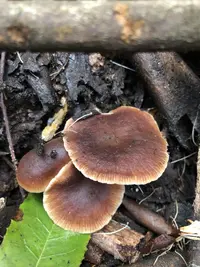
Cabbage parachute (Gymnopus brassicolens) is a small saprobic fungus that grows on decaying brassica vegetables, especially stored cabbages and related crops. It forms thin, pale to tan caps on slender stems, often appearing in loose clusters.
This mushroom is typically found in cool, damp storage areas or compost heaps in regions where cabbages are grown. It plays a role in breaking down plant waste rather than forming a long-lived, ornamental structure.
Because it relies on rotting vegetable matter, conditions that stay moist and poorly ventilated favor its growth. Those who want to limit or care for Cabbage Parachute in storage areas usually focus on hygiene, dryness, and good air movement.

Care Difficulty
Moderate Care

Light Preference
Partial Shade

Water Requirements
Keep Soil Moist

Temperature Preference
Cool Climate

Hardiness Zone
Unknown

Soil Texture
Loamy, Silty, Organic-rich

Soil pH
Acidic (5.5–6.5), Slightly acidic (6.5–7.0)

Soil Drainage
Moist but well-drained

Fertilization
Minimal (feed rarely)
Scan your plant to receive care tips personalized for your specific plant
Available on iOS and Android
This litter-decomposing fungus prefers cool, shaded woodland light rather than direct sun exposure.
This species needs consistently moist, not waterlogged, organic substrate to fruit reliably.
This woodland fungus thrives in cool to mild conditions and declines under hard frost or high heat.
This fungus tolerates a wide humidity range but fruits best in consistently moist air.
This species prefers decomposing organic material rather than typical garden soil.
This species can be grown in shallow containers when provided with a deep, loose organic substrate layer.
This wild saprotrophic fungus usually gains enough nutrients from decaying plant matter and seldom needs extra feeding in gardens or outdoor beds.
Gymnopus brassicolens does not require structured pruning; management focuses on hygiene and monitoring rather than shaping.
This fungus is not maintained as a conventional potted plant; any transplanting relates to moving colonized substrate rather than roots.
Propagation of this species is usually left to natural spore spread and is not recommended for home culture or edible production.
Outdoor colonies are typically hardy in temperate climates and need little specific winter care.

Plant Health Check
Not sure what's wrong with your plant? Check your plant's health inside the app.
This species is named for its strong smell reminiscent of boiled cabbage, which is especially noticeable when the fruiting bodies are crushed or warmed.
It typically fruits on rotting plant debris, especially in places where brassicas such as cabbage or related crops have grown, reflecting a close association with crucifer-rich litter.
It is distinguished from similar small brown mushrooms by microscopic traits such as smooth, inamyloid spores and characteristic cheilocystidia, which are sterile cells on the gill edge.
This mushroom is not considered edible and is generally treated as inedible or of no culinary value. Identification can be difficult, and confusion with toxic look-alikes is possible, so it should not be collected for food.
Keep your plants happy and healthy with plant identification, disease detection, and easy care guidance.