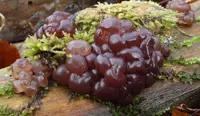
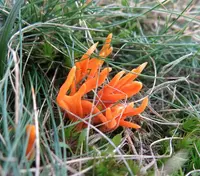
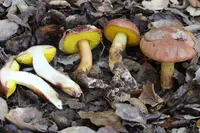
Strawberry Bracket Care (Aurantiporus pulcherrimus)

Strawberry Bracket

About Strawberry Bracket

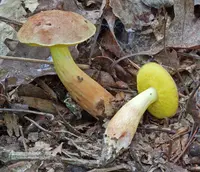
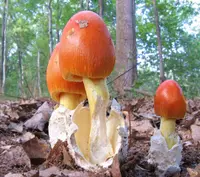
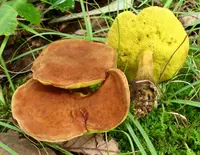
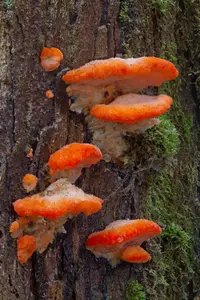
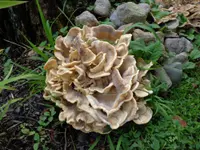
Strawberry bracket, Aurantiporus pulcherrimus, is a wood-decaying bracket fungus rather than a leafy houseplant. It forms thick, shelf-like fruiting bodies with a pink to reddish upper surface and white pore layer beneath. The texture is often soft and watery when fresh, becoming tougher as it ages.

This species typically occurs on dead or dying conifer wood in temperate forests, especially in parts of Europe and North America. It is not commonly cultivated, so anyone who wants to care for Strawberry Bracket is usually working with naturally occurring specimens on logs or stumps.

Its growth depends mainly on suitable host wood, stable moisture, and cool, shaded conditions, which makes deliberate cultivation challenging for most home growers.

Main Plant Requirements

Care Difficulty

Moderate Care

Light Preference

Partial Shade

Water Requirements

Regular Water

Temperature Preference

Cool Climate

Hardiness Zone

Unknown

Soil Texture

Loamy, Silty, Organic-rich

Soil pH

Acidic (5.5–6.5), Slightly acidic (6.5–7.0)

Soil Drainage

Moist but well-drained

Fertilization

Minimal (feed rarely)

Get Personalized Care Plan

Scan your plant to receive care tips personalized for your specific plant

Available on iOS and Android

How to Care for the Strawberry Bracket

This wood-decaying fungus prefers cool, shaded forest conditions rather than direct sun.

  • Site Strawberry Bracket in full to deep shade under trees, where it receives dappled light for 0–2 hours per day at most.
  • Avoid direct midday and afternoon sun, which can dry the substrate and slow fruiting body development.
  • In open sites, provide year-round shade using overhanging branches or structures to mimic a dim woodland floor environment.

This fungus depends on consistently moist wood rather than direct surface watering.

  • Ensure the host log or stump for Aurantiporus pulcherrimus stays evenly moist; the surface should feel damp but not dripping.
  • Improve drainage around the wood so standing water does not pool for more than 24 hours, which increases rot and anaerobic conditions.
  • During hot or windy periods, lightly hose nearby soil and mulch 2–3 times per week to maintain humidity, without saturating the fruiting bodies.

This species thrives in cool to mild climates and tolerates moderate seasonal variation.

  • Optimal growth usually occurs around 50–70°F (10–21°C), typical of shaded woodland conditions in spring and fall.
  • It tolerates short drops to about 32°F (0°C), but repeated hard frosts can damage or halt development of fruiting bodies.
  • Prolonged heat above 80°F (27°C), especially combined with dry air, can dry the substrate, so prioritize shade and moisture retention in summer.

This bracket fungus prefers consistently moist air but tolerates moderate household humidity if the substrate stays damp.

  • Aim for 50–70% humidity, especially in warm rooms or near heating sources.
  • Dry air leads to shrinking, cracking, and pale, dull pore surfaces on Strawberry Bracket shelves.
  • Increase humidity by grouping moisture-loving specimens, using a nearby pebble tray, or lightly misting surrounding air without soaking the fruiting body.

For cultivation, Aurantiporus pulcherrimus requires a moisture-retentive yet aerated, organic-rich substrate rather than typical garden soil.

  • Use a loose mix of hardwood sawdust or wood chips blended with composted bark to mimic decaying wood structure.
  • Ensure slow but reliable drainage so the substrate stays evenly moist without pooling water at the base.
  • Keep pH slightly acidic to neutral (pH 5.5–7.0), as strongly alkaline media can suppress healthy mycelium growth.
  • Improve aeration by incorporating coarse bark pieces or chunky perlite and avoid compacted, fine-textured mixes that stay waterlogged.

This species is suitable for container growing only when the container simulates a stable block of decaying wood substrate.

  • Use a deep, sturdy tub or box that holds a solid mass of inoculated wood-based substrate to maintain structural stability.
  • Drill multiple side and bottom holes so excess water escapes while internal moisture remains evenly distributed.
  • Elevate the container slightly off the ground to prevent the base from staying saturated and to improve airflow around the substrate block.

This wood-decaying fungus usually gains enough nutrients from its host and site conditions, so extra fertilizer is not essential for healthy Strawberry Bracket development.

Pruning is not a standard cultural practice for Aurantiporus pulcherrimus, since it behaves as a perennial bracket fungus on trees rather than a shaped ornamental plant.

This species is typically established on living or dead wood outdoors, so management focuses on site selection rather than classic repotting.

  • Transplant only when moving colonized wood, not the fungus itself in soil or pots.
  • Choose a cool, shaded, consistently moist site to reduce stress on the fungal colony.
  • Move logs or infected wood sections in late fall or early spring when temperatures are moderate.
  • Handle host wood gently to avoid cracking, which can dry internal tissues and limit fungal growth.

Propagation of Aurantiporus pulcherrimus is usually left to natural spore dispersal and colonization processes rather than controlled home methods.

This bracket fungus is naturally cold hardy in temperate climates and typically needs no special winter care once established on suitable wood.

Care Tips

Substrate rotation

If growing this bracket fungus on logs or stumps, rotate or rearrange the wood every 6–12 months to expose fresh surfaces and prevent one side from staying overly wet and decaying too fast.

Controlled wood selection

Use hardwood from a single tree species and similar trunk diameter when inoculating, as uniform wood density helps the fungus colonize more evenly and reduces the risk of sections drying out or rotting too quickly.

Moisture buffering layer

Place a 2–3 cm layer of coarse wood chips or bark around the base of inoculated logs to stabilize surface moisture and reduce splash-back of soil that can introduce competing fungi.

Shaded airflow corridor

Position colonized logs in a narrow, shaded corridor where there is gentle cross-breeze, which keeps fruiting bodies dry enough to avoid bacterial soft rot while still maintaining high ambient humidity.

Structured succession planning

Stagger new inoculations each year so older, heavily decayed logs can be phased out as new ones become productive, which keeps the display continuous and simplifies long-term planning for growing Strawberry Bracket.

Common Pests and Diseases

Wood-decay progression

This disease reflects the natural spread of white rot through host tree wood, gradually breaking down lignin and cellulose. Symptoms include soft, spongy, discolored wood and structural weakening of the trunk or branches supporting the fungus.

Solution

Manage by removing and safely disposing of heavily decayed wood where practical, and by pruning compromised branches back to sound tissue to reduce hazards. For ornamental or high-value trees, consult a certified arborist to monitor structural stability and decide whether partial removal or full tree removal is necessary, as there is no curative treatment once extensive decay is present.

Secondary fungal colonizers

These fungi invade the same decayed wood and sometimes the fruiting bodies, competing with Aurantiporus pulcherrimus and accelerating breakdown of the substrate. Symptoms include patches of different-colored mold or crusts and rapid disintegration of existing brackets.

Solution

Limit excessive moisture retention around the host wood by improving air movement and avoiding constant wetting from irrigation or sprinklers. Remove and discard heavily overgrown brackets and loose, crumbling decayed wood to slow colonization and maintain a cleaner substrate, especially when following Strawberry Bracket care instructions in cultivated displays.

Wood-boring beetles

These insects tunnel through already weakened wood, creating galleries that further destabilize branches or trunks supporting the fungus. Symptoms include small round exit holes, frass (fine sawdust) and hollow or brittle wood around the fungal brackets.

Solution

Reduce habitat suitability by promptly removing heavily infested dead wood and storing cut logs away from structures and valued trees. In landscapes where structural safety is a concern, have an arborist assess the extent of internal damage and remove or reduce compromised limbs to prevent breakage rather than relying on chemical treatments.

Slugs and snails

These pests feed on young or soft fruiting bodies, leaving ragged edges, surface scraping, and slime trails on brackets. This pest activity is most visible in damp, shaded sites and can reduce the ornamental appearance of cultivated specimens.

Solution

Deter feeding by reducing dense ground cover and debris near brackets, hand-removing slugs and snails during moist evenings, and using barriers such as copper tape or rough mineral grit around display logs. In high-pressure areas, place iron phosphate slug pellets in bait stations away from children, pets, and non-target wildlife to limit direct access to the brackets.

Interesting Facts

Bracket with pink droplets

This wood-decay fungus often exudes pink to reddish guttation droplets on the surface of its fruiting bodies, a feature that makes it easy to distinguish from many other bracket fungi.

Uncommon British species

It is considered a rare to very uncommon species in the United Kingdom, where records are scattered and mostly associated with specific host trees in older woodlands and parks.

Soft, short‑lived brackets

Unlike some very tough polypores, its fruiting bodies are relatively soft and short‑lived, breaking down quickly as they complete spore release on dead or dying wood.

FAQs about Strawberry Bracket

This bracket fungus spreads slowly but persistently within dead or stressed wood. It does not run quickly across a site, yet fruiting bodies can recur for several years on the same host as internal decay continues.

Grow Healthy Plants with Botan Care

Keep your plants happy and healthy with plant identification, disease detection, and easy care guidance.

Botan plant care app — identify plants on mobile

Explore More Plants