Southern False Morel Care (Gyromitra tasmanica)

Southern False Morel

About Southern False Morel

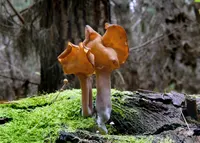
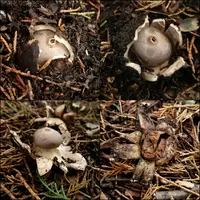
Southern false morel (Gyromitra tasmanica) is a cup fungus rather than a leafy plant, producing irregular, brain-like fruiting bodies above the soil. It typically appears in forested or heathland areas in parts of Australia, often emerging on the ground among leaf litter or near decaying wood.

This species has a specialized life cycle and depends on specific habitat conditions, so it is not easy to cultivate intentionally. For anyone trying to care for Southern False Morel in a controlled setting, success usually requires cool, moist, undisturbed substrates that mimic its natural woodland environment.

Gyromitra tasmanica is mainly of interest to fungus enthusiasts and field mycologists, rather than as a typical garden or indoor specimen.

Main Plant Requirements

Care Difficulty

Hard Care

Light Preference

Partial Shade

Water Requirements

Keep Soil Moist

Temperature Preference

Cool Climate

Hardiness Zone

Unknown

Soil Texture

Loamy, Silty, Organic-rich

Soil pH

Acidic (5.5–6.5)

Soil Drainage

Moist but well-drained

Fertilization

Minimal (feed rarely)

Get Personalized Care Plan

Scan your plant to receive care tips personalized for your specific plant

Available on iOS and Android

How to Care for the Southern False Morel

This spring-fruiting fungus prefers cool, shaded forest light rather than direct sun exposure.

  • Aim for bright shade with dappled light under trees, avoiding direct midday sun; 1–2 hours of soft early-morning sun is usually tolerated in moist, cool sites.
  • Southern False Morel fruiting bodies often emerge on the shaded side of logs or soil, so select a position protected by canopy cover or understory shrubs.
  • In hot, bright climates, increase shade during late spring and summer; excessive sun dries the substrate quickly and shortens the lifespan of the fruiting bodies.

This fungus relies on consistently moist, well-drained forest soil rather than direct surface watering like a potted plant.

  • Aim for soil that stays evenly moist 5–10 cm down, never waterlogged; excess standing water or sour, swampy smells indicate harmful saturation.
  • In dry spells, lightly moisten the surrounding leaf litter and topsoil instead of pouring water directly on Gyromitra tasmanica fruiting bodies, which bruise and rot easily.
  • Increase moisture support during warm, windy periods and reduce added water in cool, wet seasons, watching for deep soil cracking or dusty litter as signs of dryness.

This species fruits best in cool to mild conditions typical of temperate forests.

  • Optimal fruiting usually occurs around 50–64°F (10–18°C), often in early to mid spring when soils are cool and consistently moist.
  • It tolerates down to about 32°F (0°C) in the substrate, but hard freezes below this, especially with little insulating leaf litter, can damage developing structures.
  • Sustained heat above 77–82°F (25–28°C) rapidly dries the substrate and shortens fruiting; shade, mulch, and adequate moisture help buffer these warmer periods.

This fungus is not suitable for typical indoor cultivation, and active humidity management is generally unnecessary.

This species is not realistically cultivated in garden or potting substrates, so controlled soil preparation is not practical.

  • In nature it associates with decomposing organic matter on forest floors rather than structured mineral soil beds.
  • Attempts to use loamy or sandy mixes with compost, bark, or perlite do not reliably support Gyromitra tasmanica fruiting.
  • Artificial control of drainage, pH, and aeration has limited relevance compared with the complex forest microhabitat.

This species is not suitable for container growing for home or ornamental purposes.

This fungus does not behave like a typical garden plant and usually grows without intentional feeding.

Gyromitra tasmanica is not pruned like a plant; fruiting bodies are temporary structures that naturally collapse and decompose.

This species is a wild, soil- and host-associated fungus, not suited to normal pot culture or routine transplanting.

  • Transplanting typically fails because the fungus depends on specific soil partners and microhabitat conditions.
  • If research cultivation is attempted, disturb the substrate as little as possible to reduce stress on the underground mycelium.
  • Any move should occur outside peak fruiting, so the organism can reestablish before the next season.
  • For conservation, focus on protecting the existing habitat rather than shifting colonies.

Cultivating or multiplying Gyromitra tasmanica at home is not practical, and deliberate propagation is rarely attempted outside research settings.

In natural habitat this fungus overwinters in the soil as mycelium and needs no special winter care.

Care Tips

Use local inoculum

Collect small amounts of colonized substrate or soil from a known Gyromitra tasmanica fruiting site and mix a thin layer of it into your prepared outdoor bed to increase the chance that compatible fungal mycelium is present.

Mimic fire cues

In regions where it is legal and safe, lightly scorch the soil surface with a propane torch or apply a thin layer of cooled, clean hardwood ash before the rainy season to simulate post-fire conditions that often trigger fruiting.

Maintain woody debris

Retain partially decayed twigs, bark, and small branches in the cultivation area and top up this coarse organic material every 1–2 years to provide a long-lasting substrate for the fungus.

Seasonal disturbance management

Rake or gently disturb only the top 0.5–1 in of the bed surface once a year in late summer or early autumn to reset the micro-surface without breaking deeper mycelium networks.

Record-site monitoring

Keep a simple log of rainfall, temperature swings, fire events, and fruiting dates at your site, since tracking these patterns over several seasons gives the best clues for how to take care of Southern False Morel under your specific conditions.

Common Pests and Diseases

Fungal mycelial competition

This disease involves other saprophytic fungi overgrowing the substrate and outcompeting the Gyromitra mycelium for space and nutrients. Symptoms include weak or patchy fruiting, distorted caps, and unusual colors or textures in the growing medium.

Solution

Remove and discard heavily contaminated substrate and any deformed or off-type fruiting bodies, then restart on fresh, well-pasteurized wood- or litter-based material. Maintain good hygiene around the growing site, avoid reusing contaminated containers, and keep moisture moderate rather than constantly wet to favor stable Gyromitra tasmanica care instructions over more aggressive competitors.

Bacterial blotch

This disease is caused by opportunistic bacteria thriving on overly wet, low-airflow surfaces of fruiting bodies. Symptoms include slimy, water-soaked spots, sour odor, and rapid decay of caps and stems.

Solution

Improve air circulation, reduce direct water contact with the fruiting bodies, and avoid overhead misting onto caps. Remove and discard any affected mushrooms and reduce humidity slightly while keeping the substrate from fully drying to limit bacterial spread.

Fungus gnat larvae

These insects lay eggs in moist, organic substrates, and the larvae tunnel through developing fruiting bodies and mycelium. Symptoms include small holes, soft spots in stems, and visible tiny larvae in the substrate or within the caps.

Solution

Allow the upper layer of the substrate to dry slightly between waterings, remove and discard heavily damaged fruiting bodies, and use fine mesh or physical barriers to reduce adult gnat access to the substrate. Yellow sticky traps placed near the grow area help reduce adult populations without affecting the fungus directly.

Mite infestation

These pests are microscopic arthropods that feed on fungal tissue and spores. Symptoms include pitted or roughened cap surfaces, slow or uneven development, and sometimes pale dust-like movement on close inspection.

Solution

Discard severely affected fruiting bodies and, if possible, replace heavily infested substrate. Keep the area clean of decaying organic debris, avoid overfeeding with rich amendments that attract mites, and, in controlled setups, use predatory mites sourced from biological control suppliers to reduce pest mite populations.

Interesting Facts

Distinct bright orange staining

When the fruiting body is cut or bruised, the whitish flesh and internal tissues quickly develop a striking orange to reddish-orange staining, which helps distinguish this species from several similar false morels.

Unusually chambered stalk

The stem is strongly ribbed and hollow but divided into several irregular vertical chambers, a structural feature that is especially pronounced in this species compared with many related false morels.

Tasmania-centered distribution

This fungus is primarily known from eucalypt forests of Tasmania and parts of southeastern Australia, where it fruits on soil and woody debris in cool, moist habitats.

Botan icon

Did you know?

The species is considered poisonous and has been associated with gyromitrin-like toxins, so it is not regarded as edible despite the culinary use of some related false morels elsewhere.

FAQs about Southern False Morel

This fungus is considered poisonous and should never be eaten, raw or cooked. It contains gyromitrin-type toxins that can damage the liver, nervous system, and blood cells. Identification errors are common, so foraging is not recommended.

Grow Healthy Plants with Botan Care

Keep your plants happy and healthy with plant identification, disease detection, and easy care guidance.

Botan plant care app — identify plants on mobile

Explore More Plants