Drab Tooth Care (Bankera fuligineoalba)

Drab Tooth

About Drab Tooth

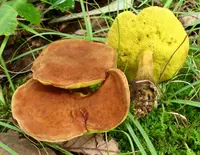
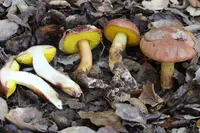
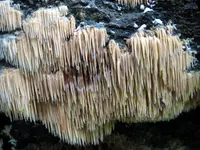
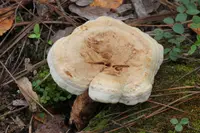
Drab tooth (Bankera fuligineoalba) is a terrestrial fungus rather than a leafy plant, forming chunky, irregular caps with distinctive tooth-like spines on the underside. It usually appears in pale gray to brown tones, giving it a muted, drab look.

This species is typically found in coniferous forests, often associated with pine or spruce, and fruits on the ground among needles and moss. It is considered uncommon and can be sensitive to habitat disturbance, which makes it challenging to deliberately cultivate.

Those looking to learn how to care for Drab Tooth should know it prefers cool, humid woodland conditions, undisturbed soil, and the natural presence of compatible conifer hosts rather than standard indoor or garden culture.

Main Plant Requirements

Care Difficulty

Hard Care

Light Preference

Partial Shade

Water Requirements

Regular Water

Temperature Preference

Cool Climate

Hardiness Zone

Unknown

Soil Texture

Loamy, Sandy, Organic-rich

Soil pH

Strongly acidic (4.5–5.5), Acidic (5.5–6.5)

Soil Drainage

Moist but well-drained

Fertilization

Minimal (feed rarely)

Get Personalized Care Plan

Scan your plant to receive care tips personalized for your specific plant

Available on iOS and Android

How to Care for the Drab Tooth

This ectomycorrhizal fungus prefers cool, stable woodland light rather than direct, open sun.

  • Provide bright, filtered light under conifers or mixed forest canopy, with 2–4 hours of soft morning sun and full shade by early afternoon.
  • Tolerates deep shade but fruits less if light is extremely low; avoid exposed sites with more than 1–2 hours of strong midday sun to prevent drying of the substrate.
  • When caring for Drab Tooth, maintain consistent dappled light year-round and avoid sudden canopy removal that exposes the forest floor to full sun.

This fungus depends on naturally moist, well-drained forest soil rather than frequent direct watering.

  • In natural settings, aim for soil that stays evenly moist 5–10 cm deep, relying mainly on rainfall rather than overhead watering where possible.
  • Ensure the soil drains freely; standing water or sour, swampy smells indicate poor drainage and raise the risk of rot or loss of mycorrhizal partners.
  • During dry spells, water the surrounding forest floor when the top 3–5 cm feel dry, using gentle, low-flow irrigation to moisten without puddling.

This species prefers cool to mild conditions typical of temperate coniferous and mixed forests.

  • Optimal activity occurs around 50–65°F (10–18°C), especially in late summer to autumn when soil stays cool and evenly moist.
  • Tolerates brief drops near 32°F (0°C) but is sensitive to hard, prolonged frost without insulating leaf litter or snow cover.
  • Prolonged heat above 77–82°F (25–28°C) dries the upper soil layer, so maintain mulch and shade to buffer temperature swings and protect the mycelium.

This ectomycorrhizal fungus is not suited to indoor cultivation, so active humidity management is usually unnecessary.

This forest fungus grows naturally in undisturbed, acidic, organic-rich soils beneath conifers rather than in prepared mixes.

  • Select a site with deep, humus-rich, well-aerated soil formed under mature conifer trees, avoiding compacted or heavily worked ground.
  • Aim for strongly acidic conditions, typically pH 4.0–5.5, common in conifer litter where Bankera fuligineoalba naturally forms mycorrhizal partnerships with roots.
  • Maintain an open, crumbly structure with thick layers of decomposing needles, cones, and woody debris instead of adding composts high in lime or manure.
  • Avoid waterlogged or perched-water zones by choosing gently sloping, free-draining forest soils rather than depressions where water collects after rain.

This forest-dwelling fungus is not realistically suitable for container growing because it depends on complex mycorrhizal relationships with living conifer roots.

This ectomycorrhizal fungus relies on its tree partners for nutrition, so Drab Tooth almost never benefits from direct fertilization.

Pruning is not applicable to Bankera fuligineoalba because it is a wild, fleshy fungus rather than a woody or leafy plant.

This species is not suited to normal repotting, as it forms complex mycorrhizal relationships with host trees in undisturbed soil.

  • Avoid attempting to grow it in standard pots, as the fungus depends on living conifer roots for survival.
  • Transplanting mature fruiting bodies does not establish new colonies because the essential underground mycelium is left behind.
  • If conservation work is involved, focus on preserving host trees and soil structure rather than moving the fungus.
  • Minimize soil disturbance in known sites so the mycelial network remains intact and can re-fruit over time.

Practical propagation of Bankera fuligineoalba is very difficult outside specialized research or habitat conservation work.

Specific winter care is generally unnecessary because this forest fungus is adapted to natural outdoor temperature cycles in its native range.

Care Tips

Retain Mycorrhizal Partners

When transplanting, move surrounding soil and duff with the fungus to preserve its mycorrhizal association with conifer roots, and avoid disturbing fine feeder roots as much as possible.

Mimic Forest Litter

Maintain a loose layer of conifer needles, small twigs, and partially decomposed wood over the site to stabilize moisture, shade the mycelium, and provide the acidic, low‑nutrient conditions this fungus prefers.

Protect Mycelium From Compaction

Keep foot traffic, vehicles, and heavy equipment off the fruiting area so the underlying mycelium and fine tree roots are not compacted or crushed.

Use Gentle Marking

Discreetly mark productive spots with a small, non-metallic stake or stone at the edge of the patch so you can relocate it for monitoring without repeatedly trampling the core area.

Harvest Conservatively

Cut fruiting bodies at the base rather than pulling them out, and leave a portion unharvested each season to maintain spore production and overall population health while growing Drab Tooth.

Common Pests and Diseases

Fungal competitor molds

This disease appears when the fruiting body is overgrown by fast-growing molds on the cap and teeth surface, often in overly humid, stagnant air conditions. Symptoms include fuzzy white, gray, or green patches that obscure the natural drab tooth structure.

Solution

Remove and discard heavily overgrown fruiting bodies to reduce spore load, and improve airflow around the collection or cultivation area by spacing specimens and using fans or vents. Reduce excessive surface moisture by adjusting misting frequency or ventilation, and clean surrounding surfaces with a mild disinfectant to limit mold spore buildup.

Mycelial parasitic fungi

This disease develops when other fungi colonize the mycelium or fruiting base of the drab tooth, slowing growth and causing malformed or aborted fruiting bodies. Symptoms include discolored, water-soaked tissue at the base and irregular, stunted teeth or caps.

Solution

Carefully remove and discard infected tissue and any adjacent contaminated substrate, then replace with fresh, clean substrate if cultivating. Maintain moderate, stable moisture and good hygiene of tools and containers to reduce infection risk, and avoid introducing unknown forest substrates into controlled growing setups.

Fungivorous mites

These insects feed on the surface of developing fruiting bodies and mycelium, leaving tiny pits, rough patches, or bronzed areas on the cap and teeth. This pest can multiply in damp, organic-rich environments where fungi are grown or stored.

Solution

Physically remove visible mites by gently brushing or rinsing off affected fruiting bodies, and reduce organic debris and clutter where mites can breed. In cultivation, briefly lowering humidity and improving ventilation can slow mite reproduction, and infested substrate should be discarded or heat-treated to break the life cycle.

Sciarid fungus gnats

These insects lay eggs in moist substrates, and their larvae feed on fungal mycelium and young fruiting tissues, which can cause poor development and collapse of primordia. Adults are small dark flies often seen hovering near moist growing areas.

Solution

Allow the upper layer of substrate to dry slightly between misting cycles while still maintaining internal moisture, and use fine mesh or physical barriers to limit adult access. Sticky traps help reduce adult populations, and heavily infested substrate should be replaced with fresh material handled under clean conditions to support healthier Bankera fuligineoalba care.

Interesting Facts

Unusual tooth fungus

This species is a hydnoid fungus, meaning its spores are produced on downward-pointing spines or “teeth” rather than on gills or pores, giving the underside of the cap a distinctly bristly appearance.

Association with conifers

It typically forms ectomycorrhizal partnerships with conifer trees, especially pines, exchanging mineral nutrients and water from the soil for sugars produced by the tree through photosynthesis.

Ashy-gray coloration

The cap and spines often show a pale gray to sooty or drab coloration, which helps distinguish it from related tooth fungi that tend to be more brightly colored or brown.

FAQs about Drab Tooth

This fungus is not typically grown from seed-like structures at home. It relies on complex mycorrhizal relationships with conifer roots and specific forest conditions, so intentional cultivation is difficult and rarely successful for hobby growers.

Grow Healthy Plants with Botan Care

Keep your plants happy and healthy with plant identification, disease detection, and easy care guidance.

Botan plant care app — identify plants on mobile

Explore More Plants