Cinereomyces lindbladii Care

Cinereomyces lindbladii

About Cinereomyces lindbladii

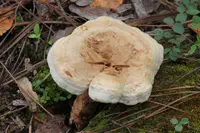
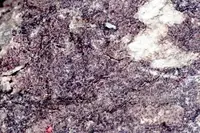
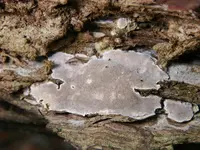
Cinereomyces lindbladii is a wood-decaying polypore fungus, not a leafy houseplant. It forms thin, crust-like patches with small pores on dead or decaying wood. The surface is usually gray to whitish, blending into the bark and often going unnoticed in forests and woodland sites. It occurs mainly in temperate regions, especially on fallen branches or logs. This species depends on consistently moist, shaded conditions and a steady supply of wood to colonize, so it is not a typical ornamental or indoor subject. Anyone who wants to care for Cinereomyces lindbladii must realistically provide naturalistic, damp, wood-based habitats rather than standard potting setups.

Main Plant Requirements

Care Difficulty

Moderate Care

Light Preference

Partial Shade

Water Requirements

Regular Water

Temperature Preference

Cool Climate

Hardiness Zone

Unknown

Soil Texture

Loamy, Organic-rich

Soil pH

Slightly acidic (6.5–7.0)

Soil Drainage

Moist but well-drained

Fertilization

Minimal (feed rarely)

Get Personalized Care Plan

Scan your plant to receive care tips personalized for your specific plant

Available on iOS and Android

How to Care for the Cinereomyces lindbladii

This wood-decay fungus prefers low to moderate light typical of shaded forest habitats.

  • Provide bright shade or dappled light, similar to the north or east side of logs and stumps, avoiding more than 1–2 hours of direct midday sun.
  • It tolerates deep shade but fruits more reliably with filtered light, as intense full sun can dry the substrate and slow Cinereomyces lindbladii development.
  • In summer, protect from strong afternoon sun; in cooler seasons, slightly more indirect light is acceptable if the substrate stays evenly moist.

Moist, not waterlogged, conditions are essential for healthy fruiting on wood.

  • Maintain the log or woody substrate consistently damp, allowing the surface to feel just slightly dry before rewetting rather than following a fixed schedule.
  • Increase misting or gentle watering during hot, dry periods, focusing on keeping the upper 2–3 cm of bark or exposed wood from fully drying out.
  • Reduce added moisture in cool, wet seasons; signs of overwatering include sour odor or slimy patches, while curling or shriveling edges indicate the fungus is drying.

This species prefers cool to mild conditions typical of temperate forests.

  • Aim for a general activity range of 50–70°F (10–21°C), where growth and fruiting on dead wood are usually most stable.
  • It tolerates down to about 32°F (0°C) on substrate, but hard, prolonged frost below this can damage fruiting bodies, though mycelium inside wood may survive.
  • Short periods up to 80–86°F (27–30°C) are usually tolerated if humidity and moisture remain high, but extended heat and drying winds reduce longevity of the brackets.

Humidity is not a primary control factor for Cinereomyces lindbladii, which naturally tolerates variable forest air moisture.

  • Plant development remains stable from roughly 40–80% relative humidity, provided the substrate stays consistently moist but not waterlogged.
  • Dry indoor air mainly becomes an issue only if it also causes the woody substrate to dry out too quickly.
  • If fruiting bodies shrivel or crack at the edges, increase local humidity by lightly misting surrounding air or placing open water trays nearby.

This wood-decay fungus does not grow in conventional potting soil and instead requires a suitable lignocellulosic substrate.

  • Use sound but dead hardwood pieces, chips, or logs with intact structure, as the primary substrate instead of loamy or sandy mineral soil.
  • Ensure the wood stays evenly moist with very free drainage; standing water around the substrate quickly leads to anaerobic conditions that suppress growth.
  • Aim for mildly acidic to neutral conditions (roughly pH 5.0–7.0), which are typical of many temperate hardwoods and favor mycelial colonization.
  • Improve aeration by spacing wood chunks or drilling ventilation holes through larger logs so air can reach internal tissues while moisture is maintained.

This species can be grown in containers only as a specialty culture on wood substrates rather than in standard potting mixes.

  • Select a rigid, non-porous tub or crate deep enough to hold logs or thick branches without forcing them tightly against the walls, which restricts airflow.
  • Raise the wood pieces on bricks or mesh inside the container so excess water drains away instead of pooling around the lower surfaces.
  • Drill side ventilation holes near the upper half of the container to balance moisture retention with oxygen supply around the colonized wood.

This wood-decaying fungus lives on nutrient-rich dead wood and usually does not benefit from added fertilizer in cultivation.

Pruning is generally unnecessary for Cinereomyces lindbladii, which forms thin bracket-like fruiting bodies on dead wood.

Transplanting focuses on moving colonized wood rather than handling roots, since this species is a saprophytic fungus.

  • Shift sections of well-colonized logs or branches when white mycelium and fruiting bodies are established and growth space is limited.
  • Carry out any move in cool, stable conditions, avoiding hot, dry, or freezing weather to limit mycelium stress.
  • Transfer the entire wood piece without shaking or scraping, keeping bark and moisture as intact as possible.
  • Place the wood on or slightly above similarly decayed hardwood in its new location to support growing Cinereomyces lindbladii.

Propagation of this fungus is specialized and usually handled by mycologists rather than home growers.

This temperate wood-decay fungus is naturally cold hardy and normally needs no special winter care outdoors.

Care Tips

Substrate rotation

Rotate and replace sections of the woody substrate every 6–12 months so fresh, undecayed hardwood is always available, which supports more stable fruiting and reduces collapse of older colonized pieces.

Moisture gradient setup

Arrange several wood pieces with slightly different moisture levels in the same container so the fungus can colonize the zone it prefers, then maintain that pattern instead of forcing uniform wetness.

Airflow without drafts

Provide gentle, continuous air movement over the culture using a small fan set on low and indirect, which limits mold growth on the substrate without drying the fungal tissue too fast.

Clean handling tools

Always cut or move colonized wood with tools wiped in 70% isopropyl alcohol to reduce contamination by competing fungi and bacteria during routine maintenance or division.

Colony sectioning

If growth is dense, carefully break or saw colonized wood into smaller sections and spread them slightly apart on fresh wood to encourage new, active margins and more even development when caring for Cinereomyces lindbladii.

Common Pests and Diseases

Bark-boring beetles

This pest often colonizes the dead or decaying hardwood that supports the fungus and can disrupt the fungal fruiting bodies as it tunnels. Symptoms include small round exit holes in the wood and frass-like sawdust near or on the brackets.

Solution

Remove and destroy heavily infested wood to reduce beetle populations, and avoid storing freshly cut hardwood near existing fruiting logs. Keeping the habitat wood dry and off the ground after fruiting can lower attractiveness to beetles and limit damage when growing Cinereomyces lindbladii for study or display.

Wood-decay competitor fungi

This disease pressure comes from other saprotrophic fungi that colonize the same dead hardwood, competing for space and nutrients and sometimes overgrowing the brackets. Symptoms include mixed patches of different-colored crusts, brackets, or molds on the same log, with Cinereomyces lindbladii fruiting bodies becoming patchy or stunted.

Solution

Cut and use relatively fresh, clean hardwood and avoid logs that already show multiple fungal species. If strong competitors appear, removing and discarding heavily overgrown sections of wood and starting new culture logs in a separate area helps maintain a stable stand of C. lindbladii.

Mite infestation

These insects-like arthropods can graze directly on the spore surface and young tissue of the crust, leaving pale, roughened, or pitted patches. This pest is more common in very humid, stagnant setups or tightly enclosed culture containers.

Solution

Improve ventilation and slightly reduce humidity so surfaces dry between misting, and physically rinse or gently brush off visible mites from fruiting surfaces. In controlled culture, moving affected material to a clean container and isolating or discarding heavily infested pieces prevents spread and supports stable Cinereomyces lindbladii care instructions.

Fungal gnats

These insects are attracted to very moist wood and organic debris around culture trays or log sections and their larvae may feed on surface mycelium. This pest typically appears where moisture is consistently high and air movement is low.

Solution

Allow the surrounding substrate surface to dry slightly between waterings while keeping the interior wood from fully drying out, and remove excess decaying debris that shelters larvae. Yellow sticky traps near the setup help capture adults, while covering moist substrates with fine mesh or fabric reduces egg laying on the fungal surface.

Interesting Facts

White, poroid crust

This species forms a thin, resupinate (crust-like) basidiocarp with a white to grayish, poroid surface that lies flat on dead wood rather than producing brackets or caps, making it easy to overlook in the field.

Brown‑rot specialist

It causes brown rot on conifer wood, breaking down cellulose and hemicellulose while leaving modified lignin behind, which results in the characteristic crumbly, brown, cube‑like wood fragments seen in advanced decay.

Distinctive microscopic traits

Its hyphal system is dimitic, with thick‑walled skeletal hyphae and thin‑walled generative hyphae, and it produces smooth, cylindrical to allantoid (sausage‑shaped) basidiospores, features used to distinguish it from similar crust fungi.

FAQs about Cinereomyces lindbladii

This fungus is not suitable as a conventional houseplant. It naturally develops outdoors on decaying wood in forests or landscaped areas. Attempts at Cinereomyces lindbladii indoor care usually fail without controlled laboratory-style conditions and sterile, woody substrates.

Grow Healthy Plants with Botan Care

Keep your plants happy and healthy with plant identification, disease detection, and easy care guidance.

Botan plant care app — identify plants on mobile

Explore More Plants