Use breathable containers
Use autoclavable polypropylene filter bags or lidded containers with gas‑exchange filters so the substrate receives fresh air without drying out or becoming contaminated.

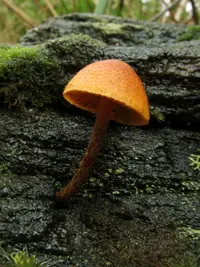
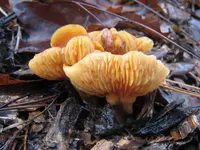
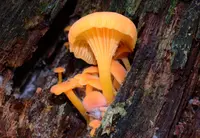
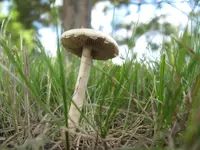
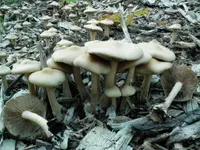
Gymnopilus ferruginosus is not a true plant but a wood-decaying mushroom species in the genus Gymnopilus. It typically forms dense clusters on dead hardwood, stumps, or buried wood. Caps are rusty orange to brown with a dry surface, and the gills produce orange-brown spores that give older clusters a uniform, rusty look.
This fungus occurs mainly in temperate regions of North America and Europe, often appearing in autumn. It is not commonly cultivated and is considered difficult to manage in home settings, since it depends on decaying wood and specific moisture conditions. Most home gardeners do not actively care for Gymnopilus ferruginosus, but understanding its habitat helps with correct identification and avoidance.

Care Difficulty
Hard Care

Light Preference
Partial Shade

Water Requirements
Keep Soil Moist

Temperature Preference
Warm Climate

Hardiness Zone
Unknown

Soil Texture
Organic-rich, Peaty, Loamy

Soil pH
Acidic (5.5–6.5)

Soil Drainage
Moist but well-drained

Fertilization
Minimal (feed rarely)
Scan your plant to receive care tips personalized for your specific plant
Available on iOS and Android
This wood-inhabiting fungus prefers cool, shaded forest conditions rather than direct open sun.
Moist but aerated wood or woody debris is critical for this fungus to colonize and form mushrooms.
This species fruits best in cool to mild outdoor conditions typical of temperate forests.
This wood-decaying mushroom needs consistently moist, high-humidity conditions to fruit well.
This fungus does not use soil in the usual sense but fruits from lignin-rich woody substrate that must stay moist and well aerated.
This species can be managed in containers when grown as a cultivated mushroom on prepared substrate blocks.
This wood-decaying fungus is adapted to nutrient-poor habitats and does not benefit from fertilization in cultivation or observation plots.
Active pruning is not relevant for this mushroom-forming fungus, as fruiting bodies are short-lived and naturally decompose.
Transplanting is generally unsuitable because this fungus depends on complex soil and wood conditions that are easily disturbed.
Propagation of Gymnopilus ferruginosus is specialized work and not recommended for casual growers due to legal, ecological, and technical concerns.
This saprophytic fungus generally needs no specific winter care in natural settings, as the mycelium tolerates normal seasonal changes within its range.

Plant Health Check
Not sure what's wrong with your plant? Check your plant's health inside the app.
This mushroom produces a dense rusty orange spore print and often stains a similar color on handling, which helps distinguish it from many other brownish wood-inhabiting fungi.
The cap flesh is distinctly bitter, a characteristic that mycologists use as a diagnostic feature and that discourages most animals and humans from consuming it.
It typically fruits on well-decayed conifer wood, especially logs and buried woody debris, playing a role in breaking down lignin-rich tissues in forest ecosystems.
This species is generally regarded as inedible and potentially poisonous. It may contain bitter compounds and psychoactive or irritating substances. It must not be collected or consumed as food, and identification should be left to mycology experts.
Keep your plants happy and healthy with plant identification, disease detection, and easy care guidance.