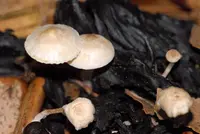
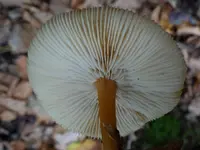
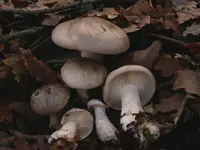
Dacryobolus karstenii Care

Dacryobolus karstenii

About Dacryobolus karstenii

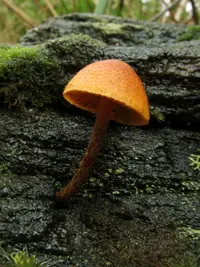
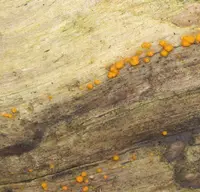
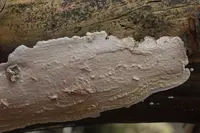
Dacryobolus karstenii is a wood-decay fungus rather than a traditional green plant. It forms thin, resupinate (crust-like) fruiting bodies that spread across dead or decaying wood. The surface is usually pale to yellowish and slightly waxy, with a smooth to finely textured appearance.

This species is typically found in temperate forests, especially on fallen conifer wood, where it plays an important role in breaking down lignin and cellulose. Because it relies on already dead wood, it is not kept as a typical houseplant, and attempts to care for Dacryobolus karstenii focus on providing consistently moist, shaded, woody substrates.

It prefers cool, humid conditions with stable moisture and good air movement. These requirements make it more suitable for specialized fungal cultivation than for casual growers.

Main Plant Requirements

Care Difficulty

Moderate Care

Light Preference

Partial Shade

Water Requirements

Moderate Water

Temperature Preference

Warm Climate

Hardiness Zone

Unknown

Soil Texture

Loamy

Soil pH

Slightly acidic (6.5–7.0)

Soil Drainage

Well-drained

Fertilization

Minimal (feed rarely)

Get Personalized Care Plan

Scan your plant to receive care tips personalized for your specific plant

Available on iOS and Android

How to Care for the Dacryobolus karstenii

This bracket fungus prefers shaded forest conditions that mimic its natural habitat on decaying wood.

  • Provide dappled or filtered light equivalent to dense woodland shade; 1–2 hours of weak morning sun is acceptable, but avoid direct midday or afternoon sun.
  • In very shaded sites, ensure at least a soft, indirect light level; growth may slow if conditions are extremely dark for long periods.
  • Protect Dacryobolus karstenii from exposed, full-sun positions, which can dry substrates rapidly and disrupt the consistently moist microclimate it needs.

Moisture management focuses on keeping the woody substrate evenly damp rather than following a strict calendar.

  • Allow the outer 2–5 mm of the log or woody debris surface to start feeling slightly dry before rehydrating, if supplementary watering is used.
  • Aim for evenly moist, never saturated conditions; standing water or constantly waterlogged wood encourages competing fungi and decay organisms.
  • Reduce added watering during cool, wet seasons and increase only during prolonged dry or hot periods, watching for cracking, lightened, or very dry substrate as a sign to water.

This wood-inhabiting fungus is adapted to cool to mild forest temperatures and dislikes extremes.

  • Support active growth in a range of about 45–70°F (7–21°C), where substrate moisture and decay processes remain stable.
  • Tolerate short drops close to 32°F (0°C), but repeated hard frost below 28°F (-2°C) can damage fruiting bodies and slow colonization.
  • In hot periods above 80°F (27°C), maintain shade and higher humidity; prolonged heat above 86°F (30°C) with dry air stresses the organism and may halt fruiting.

This wood-decay fungus prefers consistently moist, humid air similar to shaded forest conditions.

  • Aim for 70–90% humidity, which is easiest to maintain in enclosed, damp microhabitats such as terrariums or covered culture boxes.
  • Dry air causes slower growth, paler or shrunken fruiting bodies, and brittle texture indicating desiccation stress.
  • Increase humidity by using tight-fitting lids, moist but not waterlogged substrate, and limited ventilation with small air holes rather than open exposure.

This species develops best on very loose, well-aerated, organic-rich substrate rather than dense mineral soil.

  • Use a substrate based on well-decayed hardwood pieces, coarse wood chips, and leaf litter, which mimics the fine, fibrous texture of rotting logs.
  • Ensure excess water drains freely; the substrate should be moist but never waterlogged, so add coarse bark or chunky perlite to increase porosity.
  • Maintain a slightly acidic to neutral reaction, roughly pH 5.5–7.0, which matches the chemistry of most decomposing hardwoods.
  • Avoid compacted garden soil, high-clay mixes, or heavily fertilized potting soil, as these reduce aeration and can suppress Dacryobolus karstenii colonization.

This fungus can be maintained in containers if the setup closely imitates decaying wood in a stable, humid environment.

  • Choose a wide, shallow tub or tray that allows arrangement of horizontal wood pieces and even gas exchange across the surface.
  • Use opaque or dark-sided containers to limit light penetration and reduce surface drying while still allowing a ventilated lid or cover.
  • Drill multiple small holes low on the sidewalls, not only in the base, to let excess moisture escape without fully drying the colonized substrate.

This wood-decaying fungus usually grows on nutrient-rich dead wood and does not benefit from additional fertilization in cultivation.

Dacryobolus karstenii does not require pruning because the fruiting bodies are short-lived and the fungus lives within the wood substrate.

This species is managed by changing its woody substrate rather than traditional repotting in soil.

  • Consider moving colonized wood only when it is fully decayed, producing fewer fruiting bodies, or harboring pests.
  • Transplant in cool, moist weather to reduce desiccation of the fungal mycelium within the wood.
  • Shift the entire log or branch intact to a new shaded, humid location without breaking it apart.
  • Avoid frequent disturbance; move the substrate only every few years, when a fresh log is provided nearby for gradual colonization.

Propagation of this fungus is specialized and not usually attempted by hobby growers.

Outdoor colonies on naturally occurring dead wood are generally cold hardy and need no special winter care.

Care Tips

Substrate rotation

Periodically rotate or replace sections of the decaying wood substrate so the fungus always has fresh, partially decomposed material to colonize, which keeps fruiting consistent over several seasons.

Moisture shielding

Install a simple windbreak or side barrier around outdoor culture logs to reduce drying air movement, since even brief desiccation of the wood surface can halt fruiting body development.

Shaded mounting

Mount inoculated wood on the shaded underside of benches, shelves, or log racks so gravity helps spores disperse downward while the surface stays darker and more evenly moist.

Clean tool practice

Disinfect drill bits, chisels, and knives with 70% isopropyl alcohol before making new inoculation holes to limit contamination from faster-growing molds and competing fungi when growing Dacryobolus karstenii.

Fruiting monitoring

Inspect fruiting bodies during wet periods and gently remove those that are clearly decayed or covered with other fungi, which helps maintain airflow and reduces the spread of competing species on the same substrate.

Common Pests and Diseases

Wood-decay competition

This disease involves other wood-decay fungi colonizing the same dead wood substrate and outcompeting the fruiting bodies. Symptoms include patchy, reduced, or distorted brackets where this species previously fruited well.

Solution

Remove and discard heavily colonized wood pieces and, if cultivating, provide fresh, clean hardwood with moderate moisture and good airflow to favor stable colonies. Avoid stacking many infected logs in direct contact, and rotate or space substrates to limit rapid spread of competing fungi.

Mold contamination

This disease occurs when fast-growing molds overrun moist culture substrates or storage boxes. Symptoms include fuzzy white, green, or black growth covering the intended mycelium and suppressing normal fruit body formation.

Solution

Discard heavily contaminated substrates promptly and sanitize containers and tools with 70% alcohol or a dilute bleach solution. For new cultures, work with clean tools, reduce excessive surface moisture, and maintain good air exchange so the target fungus can establish before molds dominate.

Fungivorous mites

This pest consists of tiny mites that graze on mycelium and young fruiting tissue, causing weak or aborted brackets and a dusty or pitted surface. Symptoms include slowed growth, uneven margins, and sometimes fine debris or moving specks on the substrate.

Solution

Physically isolate affected culture boxes or logs and, for indoor setups, lower excessive humidity and increase airflow to make conditions less favorable for mites. Remove and discard heavily infested pieces and, where regulations allow, use predatory mites introduced to the growing area as a biological control, following specific Dacryobolus karstenii care instructions for culture hygiene.

Interesting Facts

Resinous bracket fungus

This species forms thin, resupinate to slightly bracket-like fruiting bodies with a distinctly resinous to waxy texture, which helps distinguish it from many other brown-rot fungi on conifers.

Brown-rot wood decomposer

It is a brown-rot fungus that selectively breaks down cellulose and hemicellulose but leaves modified lignin, contributing to the characteristic cubical cracking and darkening of decayed conifer wood.

Conifer specialist

This species occurs mainly on dead, often well-decayed wood of conifers such as spruce and fir, playing a specialized role in late stages of needle-leaved tree decomposition in temperate forests.

FAQs about Dacryobolus karstenii

This crust fungus is not considered edible. It has a thin, tough, and leathery fruiting body with no culinary value. Identification of any wild fungus should be confirmed by an expert before considering consumption.

Grow Healthy Plants with Botan Care

Keep your plants happy and healthy with plant identification, disease detection, and easy care guidance.

Botan plant care app — identify plants on mobile

Explore More Plants