Hat-thrower fungus Care (Pilobolus crystallinus)

Also known as: dung cannon
Hat-thrower fungus

About Hat-thrower fungus

Hat-thrower fungus, Pilobolus crystallinus, is a tiny fungus rather than a true plant, best known for its ability to shoot its spores several feet. It typically grows on manure in pastures and farmyards, especially where herbivores like cows or horses are present.

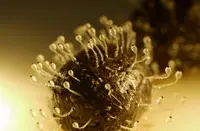
The fungus forms small, transparent to yellowish sporangia on slender stalks that lean toward light before discharging spores. It is not usually cultivated deliberately, so how to care for Hat-thrower fungus is mostly of academic interest.

In nature it prefers nutrient-rich organic matter, consistent moisture, and open, sunny to lightly shaded sites. Its growth depends more on the right substrate than on active human care.

Main Plant Requirements

Care Difficulty

Moderate Care

Light Preference

Partial Shade

Water Requirements

Keep Soil Moist

Temperature Preference

Warm Climate

Hardiness Zone

Unknown

Soil Texture

Loamy, Silty, Organic-rich

Soil pH

Slightly acidic (6.5–7.0), Neutral (7.0)

Soil Drainage

Moist but well-drained

Fertilization

Minimal (feed rarely)

Get Personalized Care Plan

Scan your plant to receive care tips personalized for your specific plant

Available on iOS and Android

How to Care for the Hat-thrower fungus

Pilobolus crystallinus thrives in bright outdoor conditions but is adapted to brief, intense light bursts rather than all-day sun.

  • Position colonies where they receive 2–4 hours of direct morning sun and bright, open light the rest of the day, such as on sunlit manure in a field or paddock.
  • Hat-thrower fungus tolerates light partial shade, but dense shade reduces spore-shooting performance and can shorten the lifespan of fruiting bodies.
  • Avoid harsh, all-day summer sun that dries the substrate completely; moderate seasonal shifts in light are fine as long as the manure surface does not crust and overheat.

Pilobolus crystallinus depends on consistently moist, nutrient-rich dung rather than direct watering of the fungus itself.

  • Maintain the manure or dung pad evenly moist, not waterlogged; the surface should feel damp and pliable, not cracked or soupy.
  • Allow only the top 1–2 cm of the substrate to start drying before adding water; standing puddles or strong odor of sour anaerobic decay indicate overwatering and poor drainage.
  • In hot, dry weather, moisture may need checking once or twice daily, while in cool, humid seasons, rainfall alone usually keeps the substrate sufficiently moist.

This species develops best in mild to warm conditions on decomposing dung surfaces exposed to open air.

  • Optimal growth occurs around 68–86°F (20–30°C), which supports rapid development of sporangia on manure in pastures and pens.
  • Short exposures down to about 41–45°F (5–7°C) slow growth but usually do not kill the fungus; hard frost can damage active spore structures.
  • Sustained heat above 95°F (35°C) can dry and overheat the substrate, so partial shade and adequate moisture help stabilize temperatures through summer.

This dung-loving fungus prefers moist, humid microclimates rather than dry household air.

  • Aim for 60–80% humidity around the substrate to keep the fruiting bodies forming consistently.
  • Dry air slows spore-shooting structures and causes caps to dry and collapse prematurely.
  • Use a loose-fitting lid, plastic tent, or humidity dome over the manure substrate to trap moisture without sealing off all air exchange.

This species does not grow in standard potting soil but on nutrient-rich animal dung or dung-enriched substrates.

  • Provide a base of well-aged herbivore dung (horse, cow, or similar) mixed with a small amount of straw or shredded dry grass for structure.
  • Ensure the dung layer stays moist but not waterlogged; excess standing water quickly leads to anaerobic, foul-smelling conditions that inhibit growth.
  • Maintain a slightly neutral to mildly alkaline environment; avoid adding acidic peat moss that can shift pH too low for Pilobolus crystallinus.
  • Pasteurize or at least sun-dry fresh dung before use to reduce competing organisms that might overrun the developing fungus.

This species can be grown in shallow containers mainly for observation rather than ornamental display.

  • Use a wide, low tray so the thin dung layer stays evenly moist and does not form deep, airless pockets.
  • Choose a rigid plastic or glazed ceramic tray that slows evaporation enough to maintain constant surface moisture.
  • Place the container on a waterproof surface because the fungus actively shoots spores several cm away from the substrate.

Pilobolus crystallinus grows on nutrient-rich dung and usually needs no added fertilizer in cultivation.

Pilobolus crystallinus is not pruned in the usual horticultural sense, as it is a short-lived dung fungus.

This species is not maintained as a long-term potted specimen, so repotting focuses on renewing its manure substrate rather than root handling.

  • Replace the dung substrate once growth declines or becomes heavily contaminated with other fungi or molds.
  • Work in cool, shaded conditions to limit drying of the fresh substrate before inoculation.
  • Transfer a small amount of active, spore-bearing material onto fresh manure using clean tools.
  • Minimize disturbance after transfer and maintain stable moisture to reduce stress on the developing mycelium.

Pilobolus crystallinus is propagated by spores rather than typical plant methods such as cuttings or division.

  • Collect fresh dung known to support the species and keep it evenly moist but not waterlogged.
  • Allow natural spore dispersal from existing colonies onto new substrate in a shaded, sheltered position.
  • Maintain moderate temperatures typical of livestock areas, avoiding extremes that dry or overheat the substrate.

This dung-inhabiting fungus is naturally adapted to outdoor seasonal cycles and typically needs no dedicated winter care.

Care Tips

Use fresh dung

Always inoculate only very fresh herbivore manure (ideally within 24–48 hours of collection) because spore germination and fruiting decline sharply as the substrate ages and dries.

Control dung moisture

Moisten dried manure to a just-damp, crumbly texture and avoid waterlogging, since excess free water limits oxygen and reduces sporangiophore development.

Orient toward light

Place dung cultures where one side receives consistent directional light, as this helps the fungus orient and discharge spores effectively toward that light source.

Limit air turbulence

Keep cultures in a sheltered enclosure with gentle air movement so the forcibly discharged spores are not blown away before they can land on nearby target surfaces or host feed.

Rotate culture batches

Start small new batches every 3–5 days and retire old ones early to keep growth vigorous, manage odor, and maintain more predictable results when caring for Hat-thrower fungus.

Common Pests and Diseases

Coprophilous mite grazing

This pest feeds on the surface of dung and can damage developing sporangiophores and sporangia, reducing spore production.

Solution

Remove and replace heavily infested dung substrate and keep cultures in a clean, separate container from other invertebrate cultures. If needed, use fine mesh or tight-fitting lids with air holes to physically exclude mites rather than relying on chemical controls, which can also kill the fungus.

Dung-feeding fly larvae

These insects tunnel through the manure substrate and can physically break or consume the delicate stalks before sporangia mature.

Solution

Discard and replace substrates that show extensive maggot activity and store fresh manure in sealed containers until used. Use smaller, clean portions of dung and keep culture containers screened to reduce fly access, which supports more reliable Pilobolus crystallinus care instructions.

Competitive dung fungi

This disease pressure comes from fast-growing molds such as Mucor or Aspergillus that overrun the manure surface and outcompete Pilobolus for nutrients and space.

Solution

Use fresh or only lightly aged dung, avoid adding rich kitchen scraps or bedding that favor common molds, and keep cultures in a cooler, well-ventilated location. If contaminant fungi dominate, discard the culture, clean the container thoroughly, and restart with fresh, less nutrient-rich material.

Bacterial substrate rot

This disease develops in overly wet, poorly aerated dung, leading to foul odor, slimy patches, and poor or absent Pilobolus fruiting.

Solution

Prepare the substrate so it is moist but not waterlogged and ensure air exchange through small vents or a loose-fitting lid. When rot appears, remove and discard affected dung, wash the container with hot soapy water, and restart with a thinner dung layer that dries slightly between mistings.

Interesting Facts

Dung-based habitat specialist

This fungus grows almost exclusively on the dung of herbivorous mammals, especially cows, where it completes its entire life cycle on and around the manure surface.

Extraordinary spore acceleration

Its spore-containing vesicles can burst and launch spores at accelerations measured in tens of thousands of g, making it one of the fastest accelerating biological structures known.

Precise sun tracking

The transparent stalk bends toward light as it develops, aligning the spore capsule so it shoots toward the sunlit horizon, which increases the chance that spores land on fresh vegetation eaten by grazing animals.

Botan icon

Did you know?

The genus name Pilobolus was originally applied after observers noticed the tiny spore capsules being explosively discharged like miniature projectiles, and this species became a classic model organism in biomechanics research because its discharge mechanism operates at physical limits that challenge high-speed imaging technology.

FAQs about Hat-thrower fungus

This species develops best outdoors on fresh or very recent herbivore dung, where light, humidity, and airflow are natural. Indoors, controlled growth is possible only in specialized laboratory conditions using sterile dung-based media and precise environmental control.

Grow Healthy Plants with Botan Care

Keep your plants happy and healthy with plant identification, disease detection, and easy care guidance.

Botan plant care app — identify plants on mobile

Explore More Plants