Substrate rotation
Rotate or gently rake the top 1–2 cm of the woody or leaf-litter substrate between flushes to reduce localized compaction and improve gas exchange for the mycelium.

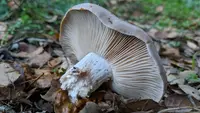
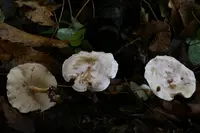
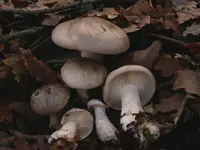
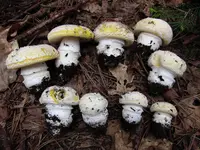
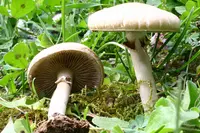
Brownit, scientifically known as Clitocybe brunneocephala, is a small, brownish mushroom rather than a leafy houseplant. It typically forms low clusters on soil rich in decaying organic matter. Caps are usually smooth and evenly colored, giving a neat, understated appearance in woodland-style plantings or shaded outdoor areas.
This fungus is naturally found in temperate regions, often in forests, grass edges, or humus-rich garden beds. It is not commonly cultivated, so how to care for Brownit focuses on maintaining cool, moist, shaded conditions and undisturbed, organic, well-drained soil.
Because it is a fungus, successful growth depends on stable moisture, moderate temperatures, and the right decomposing material. It does not adapt well to dry, bright indoor environments.

Care Difficulty
Hard Care

Light Preference
Shade

Water Requirements
Keep Soil Moist

Temperature Preference
Cool Climate

Hardiness Zone
Unknown

Soil Texture
Loamy, Organic-rich

Soil pH
Acidic (5.5–6.5)

Soil Drainage
Moist but well-drained

Fertilization
Minimal (feed rarely)
Scan your plant to receive care tips personalized for your specific plant
Available on iOS and Android
This woodland fungus prefers cool, shaded habitats with only limited direct sun exposure.
This fungus depends on consistently moist, well-drained forest soil rather than direct watering of the fruiting bodies.
This species fruits best in cool to mild conditions and is sensitive to both hard frost and intense heat.
Humidity plays a minor role for Clitocybe brunneocephala, which mainly depends on overall substrate moisture.
This fungus requires consistently moist, organically rich substrate rather than standard potting soil conditions.
This species is generally unsuitable for conventional container growing, as it relies on complex soil-wood ecosystems.
Clitocybe brunneocephala is a wild, wood-decaying fungus that normally requires no fertilization when growing in suitable organic substrate.
Clitocybe brunneocephala does not require pruning, since mushroom fruiting bodies are short-lived and the organism lives mainly as hidden mycelium in the substrate.
This species is not typically grown in containers, so practical care focuses on transplanting or renewing its woody substrate outdoors or in controlled culture.
Practical propagation of Clitocybe brunneocephala is specialized and not usually attempted by home growers, so routine methods are not recommended.
In natural settings this fungus is generally cold hardy, and Brownit requires no specific winter care beyond stable habitat conditions.

Plant Health Check
Not sure what's wrong with your plant? Check your plant's health inside the app.
The cap starts dark brown when moist and becomes noticeably paler as it dries, a trait known as hygrophany that helps distinguish it from similar small brown mushrooms.
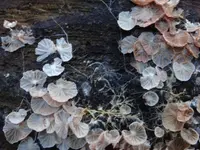
This species typically fruits on nutrient-rich leaf litter in broadleaf or mixed woodlands, indicating an important role in breaking down fallen leaves and recycling organic matter in forest ecosystems.
It is easily confused with other Clitocybe and related genera, so reliable identification requires careful attention to microscopic features, such as spore size and shape, as well as cap color changes.
This fungus is not a well-established edible species and should be treated as inedible. Identification of small brown mushrooms is difficult, and many similar species are toxic. Avoid consumption and rely on mushrooms with confirmed, expert-verified edibility.
Keep your plants happy and healthy with plant identification, disease detection, and easy care guidance.