luminous porecap Care (Favolaschia manipularis)

luminous porecap

About luminous porecap

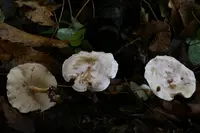
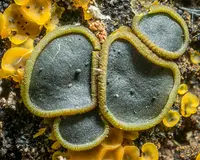
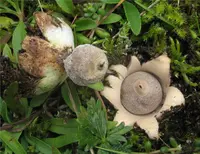
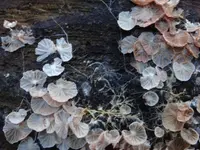
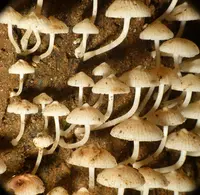
Luminous porecap, Favolaschia manipularis, is a small saprophytic fungus that grows on decaying wood rather than in soil like typical houseplants. It forms clusters of tiny, bright orange to yellow cup- or fan-shaped caps with prominent pores on the underside.

In nature it is found on rotting logs and branches in warm, humid forests, and has started appearing in new regions as an introduced species. It is more challenging to grow indoors because it needs consistently high humidity, stable moisture, and access to suitable woody substrate. Those exploring how to care for luminous porecap should understand that it responds poorly to dry air, irregular watering, and strong direct sun.

Main Plant Requirements

Care Difficulty

Hard Care

Light Preference

Shade

Water Requirements

Keep Soil Moist

Temperature Preference

Tropical / Frost Sensitive

Hardiness Zone

Unknown

Soil Texture

Organic-rich, Peaty

Soil pH

Acidic (5.5–6.5)

Soil Drainage

Moist but well-drained

Fertilization

Minimal (feed rarely)

Get Personalized Care Plan

Scan your plant to receive care tips personalized for your specific plant

Available on iOS and Android

How to Care for the luminous porecap

This fungus thrives in low to moderate light that mimics bright but sheltered forest conditions.

  • Provide dappled or filtered light, such as beneath shrubs or trees, avoiding direct midday sun that can dry the substrate and damage fruiting bodies.
  • Aim for 2–4 hours of soft morning sun or bright open shade; strong afternoon sun quickly desiccates the small caps of luminous porecap.
  • In summer, increase shade or use a more covered spot; in darker seasons, ensure at least bright indirect light so fruiting remains active.

Moist, consistently damp conditions are essential for this wood-inhabiting fungus.

  • Keep its woody substrate or decaying log evenly moist; surface should feel damp but not waterlogged, with no standing water around the base.
  • Allow only the top 0.5–1 cm of exposed substrate to start feeling less moist before rehydrating thoroughly, using gentle soaking rather than strong jets.
  • Reduce watering in cool seasons to avoid rot; signs of overwatering include slimy, collapsing tissue, while shriveling and fading color suggest underwatering for Favolaschia manipularis.

Stable, mild temperatures support reliable fruiting and longevity of this species.

  • Ideal growth occurs around 65–77°F (18–25°C), similar to a shaded woodland in mild climates, which supports steady development of fruiting bodies.
  • Short drops to about 50°F (10°C) are usually tolerated, but exposure near or below 40°F (4°C) and any frost can damage or halt fruiting.
  • Heat above 86°F (30°C), especially with low humidity, can dry and shrink caps, so provide extra shade and moisture in hot seasons to prevent stress.

Favolaschia manipularis needs consistently high humidity to fruit and maintain healthy pore surfaces.

  • Aim for 80–95% humidity, as this fungus is adapted to very moist, forest-like air conditions.
  • Dry air causes caps to shrink, edges to curl, and pores to dull or stop glowing on luminous porecap specimens.
  • Increase humidity with an enclosed terrarium, sealed propagation box, or plastic tenting over a moist but not waterlogged substrate.

Favolaschia manipularis grows best on a loose, moisture-retentive yet aerated substrate that mimics decaying wood and leaf litter.

  • Use a mix of fine orchid bark, leaf mold or well-aged compost, and a small portion of coco coir to hold moisture.
  • Ensure very free drainage so the substrate stays damp but never waterlogged, which encourages bacterial rot and competing molds.
  • Maintain a slightly acidic to neutral reaction around pH 5.5–7.0, similar to decomposing hardwood forest litter.
  • Improve aeration by including coarse bark or perlite and avoiding dense garden soil, clay, or heavily compacted mixes.

This species can be grown in containers if those containers closely reproduce a humid, decaying-wood microhabitat.

  • Choose a shallow, wide container to spread the substrate thinly, supporting even colonization and fruiting across the surface.
  • Use a rigid plastic or glass container with a fitted lid to help stabilize humidity while allowing limited, controlled air exchange holes.
  • Position the container in a shaded, vibration-free spot so developing fruiting bodies are not disturbed by frequent movement or knocks.

Favolaschia manipularis in cultivation benefits from light, carefully controlled feeding rather than heavy fertilization.

  • Use a very dilute balanced liquid fertilizer (around 10-10-10 NPK at 1/4 strength) only if growth appears weak in non-wood substrates.
  • Apply at most every 4–6 weeks during active growth under warm, humid, bright but indirect conditions.
  • Avoid rich compost or heavy slow-release products, which can promote algae, bacteria, and substrate collapse.
  • Withhold feeding entirely in winter or any dormant period, focusing instead on stable moisture and air movement when caring for luminous porecap.

Pruning needs for Favolaschia manipularis are minimal and mainly hygienic in cultivation.

  • Trim away dead or decayed fruiting bodies anytime to reduce fungal competition and mold buildup on the substrate.
  • During peak fruiting periods, use small, sharp scissors or forceps to cleanly remove old clusters at their base.
  • Avoid cutting into the main colonized substrate; maintain its structure so future fruiting remains even and stable.
  • Light cleanup pruning improves air circulation around clusters and helps maintain a tidy, observable colony.

Favolaschia manipularis is usually grown on fixed wood or sterilized substrates, so handling focuses on renewing or transferring the colonized material rather than classic repotting.

  • Plan to refresh or move the substrate every 1–2 years, or when fruiting declines and surfaces become spent or contaminated.
  • Best timing is late in a fruiting cycle, under stable temperatures of about 68–77°F, to reduce stress and contamination risk.
  • Transfer colonized pieces onto fresh, compatible wood or substrate, keeping mycelium blocks intact to avoid tearing roots.
  • Work quickly with clean tools, maintain similar moisture and airflow, and shade the culture for several days to help recovery.

Cultivated Favolaschia manipularis is typically expanded through mycelium transfer rather than traditional plant-style propagation.

  • Use colonized substrate or tissue sections to inoculate fresh sterilized wood or suitable growth medium.
  • Carry out transfers in warm, stable conditions around 68–77°F with high humidity and low air disturbance to limit contamination.
  • Work with sterile tools and containers, moving only healthy, white mycelium and avoiding discolored or moldy areas.
  • Allow full recolonization in low light before encouraging fruiting with slightly increased airflow and consistent surface moisture.

Favolaschia manipularis is not frost tolerant and needs controlled, above-freezing conditions in winter.

  • Maintain indoor or sheltered temperatures above 50°F, avoiding rapid swings that stress the mycelium.
  • For container or block cultures, move setups to an insulated, frost-free space with gentle air circulation.
  • Keep humidity moderately high but reduce surface wetness to limit bacterial growth in cool conditions.
  • Outdoors, only attempt in climates with very mild winters and protect the colonized wood from direct freezing and saturation.

Care Tips

Sterile substrate rotation

Prepare several small, shallow containers of sterilized hardwood sawdust or fine wood chips and rotate colonized pieces into fresh substrate every few weeks to maintain active growth and reduce contamination buildup when growing luminous porecap.

Use sacrificial host wood

Place a small, easily replaced piece of well-soaked hardwood (such as a thin branch slice) in the fruiting container so most competing fungi and molds grow on this piece first, which can then be discarded at the first sign of contamination.

Controlled airflow gaps

Drill or punch a few small holes near the upper sides of the fruiting box and loosely cover them with fine synthetic filter material or multiple layers of micropore tape to allow slow gas exchange while keeping mites and fungal gnats out.

Targeted misting zone

Mist the inner walls and lid of the chamber, not the fungi directly, so humidity stays high while gills and pore surfaces stay relatively dry and less prone to bacterial blotching.

Staggered culture backups

Maintain at least 2–3 separate cultures (on agar plates or small wooden plugs) stored at slightly different temperatures so a healthy backup remains available if one culture becomes contaminated or stalls.

Common Pests and Diseases

Green mold

This disease appears as fast‑spreading green patches that overgrow the fruiting area and substrate, often linked to Trichoderma species. Symptoms include stalled or deformed pore surfaces and a dull, powdery green coating.

Solution

Remove and discard heavily contaminated pieces, reduce excess moisture, and increase fresh air exchange to limit spore buildup. Sterilize or replace substrate between cycles, clean containers and tools with 70% isopropyl alcohol or diluted bleach, and avoid handling the culture with unwashed hands to reduce future contamination when growing luminous porecap indoors.

Bacterial blotch

This disease causes wet, greasy-looking yellow to brown spots on the pore surfaces and nearby tissue, often accompanied by a sour or unpleasant odor. Symptoms include tissue collapse and rapid deterioration in overly humid, stagnant conditions.

Solution

Promptly remove and discard affected fruiting bodies, then increase ventilation and reduce surface water by avoiding direct misting on caps. Clean the growing chamber and tools, and in future maintain good air circulation and moderate humidity so water does not sit on the fruiting structures for long periods.

Fungus gnats

These insects are small, dark flies that hover near the substrate and lay eggs in moist organic material, including fungal cultures. This pest can damage developing mycelium and introduce secondary infections through larval feeding and movement.

Solution

Allow the upper layer of substrate or decorative medium to dry slightly between waterings and improve air movement to make conditions less favorable for larvae. Use yellow sticky traps to catch adults, physically remove heavily infested substrate sections if possible, and ensure fresh substrate is well‑pasteurized or sterilized before use.

Mite infestation

These pests are tiny arachnids that can colonize fungal cultures, feeding on spores and delicate tissues and leaving a dusty or pitted appearance on pore surfaces. Symptoms include reduced vigor, uneven or aborted fruiting, and visible specks moving on close inspection.

Solution

Isolate affected cultures immediately, then discard heavily infested material to prevent spread. Clean the growing area thoroughly, reduce clutter, and if needed use species‑appropriate biological controls such as predatory mites, while starting new cultures from clean, uncontaminated material.

Interesting Facts

Perforated spore surface

The fruiting bodies have a bright orange, sieve-like pore surface rather than gills, with large round openings that efficiently release spores from the underside of the cap.

Leaf-litter specialist

This species typically grows in dense clusters on decaying leaves and small plant debris in humid forests, rather than on large logs or standing wood like many other bracket fungi.

Day-visible bioluminescence

The fungus can show a subtle greenish glow in low light, but its intense orange pigment makes it conspicuous even in daylight, an unusual combination among bioluminescent fungi often mentioned in Favolaschia manipularis plant care discussions.

FAQs about luminous porecap

This fungus grows best outdoors in humid, shaded environments on decaying wood. It is difficult to maintain long term in typical home conditions, so most success comes from outdoor cultivation or controlled terrarium-style setups.

Grow Healthy Plants with Botan Care

Keep your plants happy and healthy with plant identification, disease detection, and easy care guidance.

Botan plant care app — identify plants on mobile

Explore More Plants