Snowmelt Clitocybe Care (Clitocybe glacialis)

Snowmelt Clitocybe

About Snowmelt Clitocybe

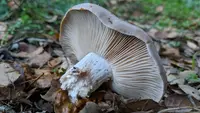
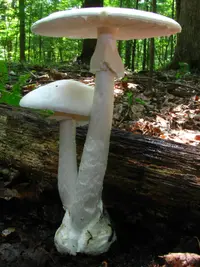
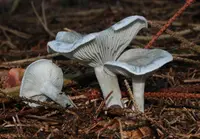
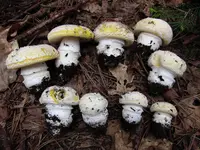
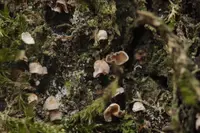
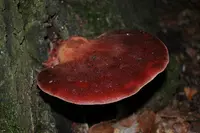
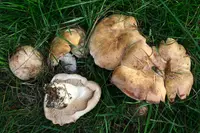
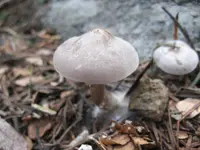
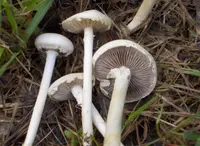
Snowmelt clitocybe (Clitocybe glacialis) is a small, cold-adapted mushroom rather than a leafy plant. It typically appears in clusters where mountain snowbanks have recently melted. Caps are usually pale to grayish, with a smooth surface and a low, funnel-shaped center, and grow on soil rich in conifer litter. Stems are slender and relatively short compared to the cap. This fungus naturally occurs in high-elevation conifer forests of North America, often near melting snowfields in late spring to early summer. It is not a good candidate for home cultivation, as it depends on specific mountain soil conditions, cool temperatures, and seasonal snowmelt. Most growers find it difficult to care for Snowmelt Clitocybe outside its natural habitat.

Main Plant Requirements

Care Difficulty

Hard Care

Light Preference

Partial Shade

Water Requirements

Keep Soil Moist

Temperature Preference

Cold Hardy

Hardiness Zone

Unknown

Soil Texture

Organic-rich, Loamy

Soil pH

Acidic (5.5–6.5)

Soil Drainage

Moist but well-drained

Fertilization

Minimal (feed rarely)

Get Personalized Care Plan

Scan your plant to receive care tips personalized for your specific plant

Available on iOS and Android

How to Care for the Snowmelt Clitocybe

This alpine fungus prefers cool, bright sites with protection from harsh midday sun.

  • Provide 3–5 hours of gentle morning sun with light shade or dappled light through the rest of the day, similar to snow-edge forest clearings.
  • Tolerates partial shade and short overcast periods, but dense shade for more than 8–10 hours daily reduces fruiting of Snowmelt Clitocybe.
  • Avoid strong, exposed afternoon sun at low elevations, which can dry the substrate quickly and damage developing caps during warm spells.

This species needs consistently moist, well-drained, cool soil rather than frequent heavy watering.

  • Aim for evenly moist ground, allowing the top 1–2 cm of soil or duff to feel just slightly dry before the next thorough soaking.
  • During peak fruiting in spring melt, maintain higher moisture with light, repeated sprinklings instead of one deep drench to avoid waterlogged, anaerobic soil.
  • Reduce added water in cooler periods or prolonged shade; signs of excess include sour smell and slimy mycelium, while shriveling caps and brittle tissue indicate dryness.

This snowline fungus is adapted to cold, melt-edge conditions and does best in chilled environments.

  • Optimal fruiting occurs around 40–55°F (4–13°C), matching conditions just after snowmelt on mountain slopes.
  • The mycelium tolerates near-freezing down to about 28°F (-2°C), but repeated hard freezes below this can damage fruiting bodies.
  • Heat above 65°F (18°C), especially combined with dry air, quickly shortens mushroom lifespan, so cooler, shaded microsites are important during warm spells.

This alpine fungus prefers cool, moist air but is not highly sensitive to indoor humidity variation.

  • Target 50–70% humidity to mimic melting-snow conditions while still avoiding stagnant air.
  • It tolerates short dry spells, but prolonged air below 35–40% can slow growth and dry fruiting bodies.
  • Low humidity stress shows as shriveling caps and cracked edges; increase humidity using a nearby open tray of water or a room humidifier without directly wetting caps.

Clitocybe glacialis fruits best in loose, well-drained, organic-rich substrates that mimic decomposing alpine litter near receding snow.

  • Use a mix of fine bark, leaf mold or forest compost, and a small portion of washed sand to create a loose, humus-rich texture.
  • Aim for slightly acidic to neutral conditions, around pH 5.5–7.0, to support mycelial activity and nutrient availability.
  • Ensure rapid drainage; avoid any compacted, clay-heavy, or constantly waterlogged medium that restricts oxygen around the mycelium.
  • Improve aeration by incorporating coarse perlite or small bark pieces so water drains quickly while the substrate stays lightly moist, not soggy.

This species is challenging but can be attempted in containers for experimental cultivation rather than ornamental display.

  • Use a deep, insulated container so the substrate can stay cool and moist while surface layers experience snowmelt-like fluctuation.
  • Choose a rigid pot that will not flex when the substrate is packed firmly, which helps maintain stable mycelial contact.
  • Position the container in a shaded, cool outdoor spot where temperature remains low and meltwater-like moisture can be simulated without direct sun heating the sides.

This montane fungus is adapted to nutrient-poor, melting-snow habitats and generally does not need additional fertilizer.

As a wild, non-woody fungus, Clitocybe glacialis is not pruned in the conventional horticultural sense and requires no shaping.

This species is not suited to container culture, so repotting is not applicable; any handling focuses on minimally disturbing its natural habitat.

  • Avoid attempting to lift or transplant clusters, as the underground mycelium network is extensive and easily damaged.
  • If scientific study requires collection, remove only a few fruiting bodies and leave most of the patch intact.
  • Minimize soil disturbance around the fruiting site to preserve the mycelium and associated tree roots.
  • Do not relocate soil or organic debris from the site to prevent disrupting the ecosystem.

This snowline fungus is not typically propagated in home settings because it depends on complex soil, snowmelt, and tree-root associations.

This alpine fungus is naturally cold hardy and requires no winter care from gardeners when left in its native habitat.

Care Tips

Cool-site selection

Choose a planting or inoculation site that stays cool late into spring, such as north-facing snowmelt zones or edges of lingering snowbanks, since this species fruits best in cold, recently thawed ground.

Host tree association

Establish the fungus in mature conifer stands, especially spruce or fir, and avoid heavy disturbance of roots or litter in a 1–2 m radius so the mycelium can maintain a stable association with the host trees.

Snowpack management

Where possible, allow natural snow accumulation and avoid shoveling or compacting snow over the intended fruiting area, as a deep, slowly melting snowpack helps trigger reliable spring flushes.

Minimal surface disturbance

When harvesting, cut mushrooms at the base with a clean knife instead of pulling them up, and gently replace leaf litter so the underlying mycelium mat and soil structure remain intact for future crops.

Transect-style monitoring

Walk fixed transects along the snowmelt edge every few days in spring and make simple notes on where and when clusters appear, which over 2–3 seasons helps refine how to take care of Snowmelt Clitocybe by pinpointing the most productive microhabitats.

Common Pests and Diseases

Fungus gnat larvae

This pest lives in and around very moist, organic-rich substrates where fruiting bodies develop, feeding on decaying material and fine mycelial strands. Symptoms include slow or patchy fungal growth and visible small black gnats hovering over trays or culture containers.

Solution

Allow the substrate surface to dry slightly between misting, improve drainage, and use fine mesh or breathable covers to limit adult access to the substrate. Sticky traps reduce adult numbers, and a biological control such as Bacillus thuringiensis israelensis (BTI) can be applied to the substrate to target larvae without harming the fungus.

Mite contamination

These insects are tiny arthropods that feed on spores, primordia, and fine mycelium, often hitchhiking on substrate materials or tools. Symptoms include deformed or aborted fruiting bodies and a fine, dust-like movement on the substrate surface when viewed closely.

Solution

Discard heavily infested cultures, and start new ones from clean spawn or tissue in a controlled space. For mild issues, lower humidity slightly, improve ventilation, and heat-treat or pressure-cook any new substrate materials to kill mites and eggs before use.

Green mold (Trichoderma)

This disease appears as fast-spreading white mycelium that quickly turns bright green, outcompeting C. glacialis mycelium in trays or beds. Symptoms include stalled mushroom formation and a strong earthy odor from contaminated areas.

Solution

Remove and discard contaminated substrate immediately, including a margin of apparently healthy material around visible colonies. Clean growing containers and tools with a 10% bleach solution or 70% alcohol, improve air exchange, and avoid excessive wetness to reduce recurrence as part of Clitocybe glacialis care instructions.

Bacterial blotch

This disease results from opportunistic bacteria thriving on overly wet caps, especially under stagnant air and condensation. Symptoms include greasy, water-soaked spots or yellow-brown patches on caps that may become slimy.

Solution

Reduce surface moisture by adjusting misting frequency and using finer mist, and increase gentle airflow to dry cap surfaces between watering cycles. Remove affected fruiting bodies and clean surfaces with a mild disinfectant before the next flush to lower bacterial load.

Interesting Facts

Snowmelt fruiting strategy

This species typically fruits right after snowmelt in high-elevation conifer forests, taking advantage of cold, wet soils when many other fungi are still dormant.

Cold-adapted physiology

The fungus is psychrophilic, meaning it is adapted to grow and reproduce at low temperatures, a trait that allows it to complete its life cycle in subalpine and alpine conditions.

High-elevation specialist

It is most often recorded near or above treeline in association with conifers such as spruce and fir, making it a characteristic fungus of late-spring and early-summer snowbank communities in western North America.

Botan icon

Did you know?

The species name glacialis refers to its close association with late-lying snowbanks and glacial melt zones, where its fruiting bodies can appear in rings or patches right at the edge of retreating snow.

FAQs about Snowmelt Clitocybe

This high-elevation mushroom is considered inedible and potentially toxic. Identification within Clitocybe is difficult, and many related species contain dangerous toxins. It is safest not to consume it under any circumstances.

Grow Healthy Plants with Botan Care

Keep your plants happy and healthy with plant identification, disease detection, and easy care guidance.

Botan plant care app — identify plants on mobile

Explore More Plants