Gymnopilus thiersii Care

Gymnopilus thiersii

About Gymnopilus thiersii

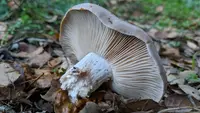
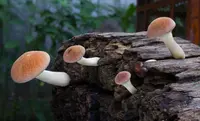
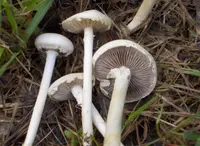
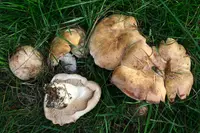
Gymnopilus thiersii is not a traditional houseplant but a wood‑decaying mushroom species. It typically forms small to medium orange‑brown caps with closely spaced gills on dead or decaying wood.

This fungus is usually found in forested areas, often on hardwood logs or buried wood debris, and appears seasonally rather than year‑round. It is not commonly cultivated at home, and its specialized need for woody substrates and stable humidity makes it challenging to grow intentionally. For most plant owners, how to care for Gymnopilus thiersii is mainly a question of understanding its natural woodland habitat rather than treating it as a standard ornamental plant.

Main Plant Requirements

Care Difficulty

Hard Care

Light Preference

Partial Shade

Water Requirements

Keep Soil Moist

Temperature Preference

Warm Climate

Hardiness Zone

Unknown

Soil Texture

Organic-rich, Loamy

Soil pH

Acidic (5.5–6.5)

Soil Drainage

Moist but well-drained

Fertilization

Minimal (feed rarely)

Get Personalized Care Plan

Scan your plant to receive care tips personalized for your specific plant

Available on iOS and Android

How to Care for the Gymnopilus thiersii

This wood-loving fungus prefers shaded, forest-like light rather than open sun.

  • Aim for dappled light or bright shade under trees, with no more than 1–2 hours of weak morning sun reaching the substrate surface.
  • Choose a north- or east-facing woodland edge or similar site so Gymnopilus thiersii is protected from direct midday and afternoon sun, which dries the substrate quickly.
  • In summer, increase shade using leaf litter or understory plants; in cooler seasons, limited filtered light is acceptable as long as the wood remains moist.

Moist, not waterlogged, conditions are essential for reliable fruiting.

  • Keep the colonized wood or woody substrate evenly damp, allowing only the outer 1–2 cm to dry slightly before rehydrating with a gentle soak or thorough misting.
  • Use well-drained woody material and avoid standing water; persistent sogginess, sour smell, or slimy patches indicate overwatering and poor aeration.
  • Increase moisture during hot, dry periods with more frequent misting, and reduce input in cool, wet weather, watching for cracking, pale surfaces, or shrinking as signs of underwatering.

This species favors cool to mild conditions typical of shaded woodland environments.

  • Target a general ambient range of 55–75°F (13–24°C) for steady mycelial growth and stable substrate moisture.
  • Expect better fruiting when cool swings occur, for example 45–65°F (7–18°C), while brief peaks up to 80°F (27°C) are usually tolerated if humidity stays high.
  • Avoid hard frost; sustained temperatures below 28–30°F (-2 to -1°C) can damage mycelium, and prolonged heat above 82–85°F (28–29°C) increases contamination and drying risk.

Humidity is not a limiting factor for Gymnopilus thiersii in typical outdoor conditions.

This fungus requires a consistently moist, organic-rich substrate rather than conventional potting soil.

  • Use a loose mix of hardwood sawdust and chipped wood, optionally blended with a small amount of straw for structure and aeration.
  • Maintain even moisture so the substrate feels damp but never waterlogged, allowing brief surface drying between heavy soakings.
  • Keep substrate pH roughly slightly acidic to neutral (pH 5.5–7.0), avoiding limed materials that push pH too high.
  • Avoid compacted, clay-based, or heavily fertilized garden soil, which reduces air spaces and encourages competitive molds and bacteria.

This species is not well suited to ornamental container growing and is usually managed in outdoor substrate beds or logs rather than pots.

This wood-decaying fungus typically grows on nutrient-rich substrates and does not require additional fertilizer in cultivation.

As a decomposer fungus rather than a garden plant, Gymnopilus thiersii does not benefit from pruning in the horticultural sense.

Cultivation focuses on maintaining fresh woody substrate rather than conventional repotting in soil.

  • Replace colonized substrate when fruiting declines, rather than moving mycelium between pots.
  • Prepare new, clean hardwood-based material at the same moisture level as the old substrate.
  • Transfer only vigorous, uncontaminated mycelium to reduce stress and disease risk.
  • Work promptly and in clean conditions to limit exposure to drying and competing fungi.

Propagation of this fungus is specialized and usually handled by experienced growers using sterile technique.

Outdoor cultures in most climates need no specific winter care beyond normal substrate management, as the organism is not treated like a hardy garden perennial.

Care Tips

Substrate depth control

Use shallow trays with 5–7 cm of evenly compacted substrate to promote uniform colonization and more even flushing rather than deep containers that waste resources and slow growth.

Even gas exchange

Drill or melt small, evenly spaced holes (about 3–5 mm) around the fruiting chamber and cover with micropore tape to allow fresh air exchange while maintaining high humidity and reducing contamination risk.

Targeted surface misting

Mist only the chamber walls and lightly the substrate surface until just damp, then allow it to dry slightly between sessions to avoid pooling water that can cause bacterial blotches on developing caps.

Flush rest periods

After each harvest, remove leftover stem bases, lightly scrape off damaged surface tissue, and let the block rest with slightly reduced moisture for 2–3 days before resuming higher humidity to support stronger subsequent flushes when growing Gymnopilus thiersii.

Clean harvest technique

Twist and lift clusters gently at the base instead of cutting, then immediately remove any remaining tissue stubs to reduce infection points and maintain a cleaner substrate surface for future fruiting.

Common Pests and Diseases

Green mold

This disease is caused by Trichoderma species that rapidly colonize moist substrates and outcompete the developing mushroom mycelium. Symptoms include dense, bright to dark green patches on the substrate surface and stalled or deformed fruiting bodies.

Solution

Remove and discard heavily contaminated substrate, as it rarely recovers, and reduce overall moisture by improving drainage and avoiding over‑misting. Clean growing containers and tools with 70% isopropyl alcohol or a 1:10 bleach solution, increase fresh air exchange, and use only fully pasteurized or properly sterilized substrate in future batches to reduce green mold pressure when growing Gymnopilus thiersii.

Cobweb mold

This disease is usually caused by Cladobotryum species, forming fast‑spreading, thin, grayish webbing over the substrate and mushroom pins. Symptoms include a soft, cottony growth that quickly engulfs young mushrooms and may turn pinkish as it sporulates.

Solution

Immediately isolate or discard trays showing extensive cobweb mold and lightly mist early, localized patches with a 3% hydrogen peroxide solution to slow spread. Improve air circulation, avoid stagnant high humidity, reduce overcrowding of containers, and maintain clean working conditions during spawning and casing to limit new infections.

Bacterial blotch

This disease is associated with Pseudomonas bacteria that thrive on overly wet caps and stagnant air. Symptoms include slimy, discolored spots on mushroom caps, sometimes with a yellow or brown water‑soaked appearance.

Solution

Reduce cap wetness by avoiding direct heavy misting on fruiting bodies and instead moisten the surrounding environment or substrate surface. Increase fresh air exchange, promptly remove and discard affected mushrooms, and disinfect misting equipment and surfaces between cycles to reduce bacterial load.

Sciarid fungus gnats

These insects are small dark flies whose larvae feed in the substrate and on fine mycelium. Symptoms include reduced colonization, weak fruiting, and visible tiny flies hovering around trays or emerging from air holes.

Solution

Use fine mesh screens on vents, sticky yellow traps near the growing area, and keep the room clean and free of exposed organic debris. For infested substrates, allow the surface to dry slightly between misting, remove heavily damaged blocks if possible, and consider using a biological larvicide based on Bacillus thuringiensis israelensis (Bti) according to label directions to target larvae in the substrate.

Mites

These pests include several small mite species that feed on mycelium, spores, or decaying substrate. Symptoms include patchy, slowed mycelial growth, tiny moving specks on the substrate or container walls, and sometimes misshapen or stunted mushrooms.

Solution

Discard heavily infested blocks and thoroughly clean racks, shelves, and surrounding surfaces with hot soapy water followed by a disinfectant. Store grains and substrates in sealed containers, avoid bringing in unpasteurized organic materials, and, if mites persist, use heat treatment of empty growing spaces (around 120–140°F where safe for materials) combined with physical cleaning to break their life cycle.

Interesting Facts

Chemically distinctive taxon

This species is chemically notable within its genus for lacking psilocybin and related indole alkaloids, a point confirmed by targeted chemical analyses that contrasted it with other hallucinogenic Gymnopilus species.

Wood-decaying specialist

It is a saprotrophic fungus that decomposes dead hardwood, contributing to lignin and cellulose breakdown and helping recycle carbon and nutrients in forest ecosystems where it occurs.

Microscopic identification features

Accurate identification relies heavily on microscopy, including its rough, ornamented spores and characteristic cystidia (specialized sterile cells), because macroscopic appearance overlaps with several similar Gymnopilus species.

FAQs about Gymnopilus thiersii

This mushroom is not recommended for consumption. It may contain bioactive compounds that can cause gastrointestinal upset, neurological symptoms, or more serious toxicity. Children, pets, and foragers should avoid eating or handling unknown wild fungi.

Grow Healthy Plants with Botan Care

Keep your plants happy and healthy with plant identification, disease detection, and easy care guidance.

Botan plant care app — identify plants on mobile

Explore More Plants