

Sterile Substrate Prep
Before inoculation, pressure-sterilize your chosen substrate and prep containers with tight-fitting lids and filtered air holes to reduce contamination from molds and bacteria when growing dune navel.

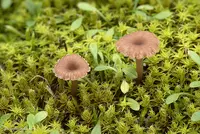
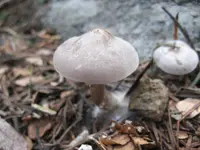
Dune navel, Omphalina galericolor, is a small, delicate mushroom rather than a typical leafy houseplant. It forms thin caps with a central dimple, giving the “navel” look, on very slender stems. Colors are often soft browns or grays that blend into sandy or mossy ground.
This species usually appears in coastal dunes, sandy heathland, or open, nutrient-poor soils, often in cool, moist seasons. It is not commonly cultivated, and its need for specific dune-like conditions makes it difficult to care for dune navel in a home or garden setting. In nature it prefers well-drained, sandy substrates with consistent moisture but not waterlogging.

Care Difficulty
Moderate Care

Light Preference
Partial Shade

Water Requirements
Keep Soil Moist

Temperature Preference
Cool Climate

Hardiness Zone
Unknown

Soil Texture
Loamy, Sandy, Organic-rich

Soil pH
Acidic (5.5–6.5)

Soil Drainage
Moist but well-drained

Fertilization
Minimal (feed rarely)
Scan your plant to receive care tips personalized for your specific plant
Available on iOS and Android
This small fungus prefers cool, soft light similar to that found on open, mossy ground at forest edges.
Moist but not waterlogged conditions support stable development of this fungus in the upper soil or moss layer.
Cool, mild temperatures best match the natural habitats where this species fruits on sandy or mossy ground.
This species has specific moisture needs, so humidity should be kept moderate to slightly high for stable growth.
Omphalina galericolor needs a consistently moist, airy, organic substrate rather than typical potting soil.
This fungus is only moderately suitable for container growing and needs a carefully managed, shallow substrate environment.
This small fungus is usually grown on nutrient-poor, sandy or mossy substrates and generally does not need added fertilizer when caring for dune navel.
Omphalina galericolor does not require structured pruning, since fruiting bodies are short‑lived and the organism persists mainly as hidden mycelium.
Transplanting Omphalina galericolor is rarely practical because this fungus depends on its specific soil, moss, and microbial community.
Propagation of Omphalina galericolor is considered experimental for home growers and relies on spore dispersal and mycelial spread rather than typical garden methods.
No special winter care is usually required, as this fungus persists as mycelium in the soil and fruits in suitable seasons.

Plant Health Check
Not sure what's wrong with your plant? Check your plant's health inside the app.
This small agaric fungus is known from cold, open habitats such as Arctic and alpine tundra, often growing among mosses and low herbaceous vegetation rather than in dense forests.
In parts of Europe, it has been recorded in nutrient-poor coastal dunes and heathlands, where it helps decompose organic debris in very sandy, acidic soils.
The fruitbodies typically show muted brownish to grayish cap tones that can fade with age and weathering, making them easy to overlook among mosses and lichens during field surveys.
This small fungus is not considered a reliable edible species. Identification is difficult, and similar-looking mushrooms may be harmful. It is safest to treat it as non-edible and avoid consuming any part.
Keep your plants happy and healthy with plant identification, disease detection, and easy care guidance.

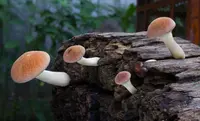
Gymnopilus purpuratus
Gymnopilus purpuratus
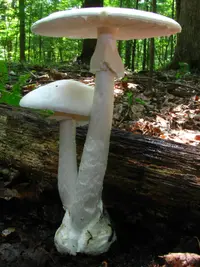
Eastern North American Destroying Angel
Amanita bisporigera
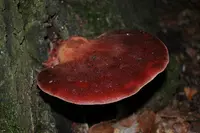
Beefsteak Polypore
Fistulina hepatica
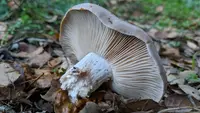
Brownit
Clitocybe brunneocephala
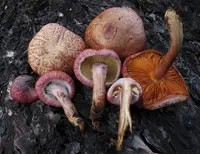
Gymnopilus thiersii
Gymnopilus thiersii
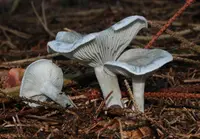
Aniseed Funnel
Clitocybe odora
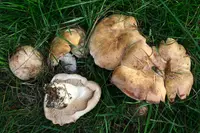
Clitopilus geminus
Clitopilus geminus
Snowmelt Clitocybe
Clitocybe glacialis