Psilocybe pelliculosa Care

Psilocybe pelliculosa

About Psilocybe pelliculosa

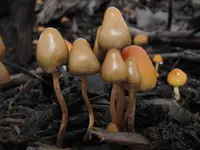
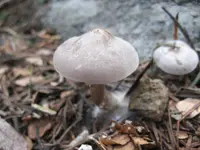
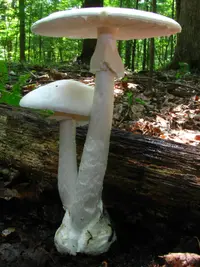
Psilocybe pelliculosa is a small, hardwood-loving mushroom rather than a typical foliage houseplant. It forms slender stems with small, brownish caps that often show a darker, moist-looking surface when fresh. In nature it usually appears in cool, moist coniferous forests, especially on decaying wood, bark, or forest debris.

This species is considered a delicate, specialized fungus that is not straightforward to cultivate at home. It needs consistently cool, humid, and clean conditions, along with suitable woody substrates, which makes how to care for Psilocybe pelliculosa more challenging than for many common cultivated mushrooms.


Main Plant Requirements

Care Difficulty

Hard Care

Light Preference

Partial Shade

Water Requirements

Keep Soil Moist

Temperature Preference

Cool Climate

Hardiness Zone

Unknown

Soil Texture

Loamy, Silty, Organic-rich

Soil pH

Acidic (5.5–6.5)

Soil Drainage

Moist but well-drained

Fertilization

Minimal (feed rarely)

Get Personalized Care Plan

Scan your plant to receive care tips personalized for your specific plant

Available on iOS and Android

How to Care for the Psilocybe pelliculosa

This fungus favors low, forest-like light rather than direct open sun.

  • Provide bright shade or dappled forest light, such as under conifers or shrubs, with 1–2 hours of weak morning sun at most.
  • Avoid direct midday or afternoon sun, which quickly dries the substrate and can overheat Psilocybe pelliculosa, slowing or stopping fruiting.
  • In summer, increase shade or use leaf litter to buffer light; in fall, slightly more open canopy is acceptable if the substrate stays cool and moist.

Moist, never soggy, substrate is critical for consistent fruiting.

  • Keep the upper 2–3 cm of substrate slightly moist; allow only the surface to begin to look dull before rehydrating with a fine mist or gentle soak.
  • Ensure excellent drainage with a loose, woody mix; standing water, sour smell, or slimy patches indicate overwatering and risk of rot.
  • In warm, dry weather, monitor daily and mist more often; in cool, humid periods, reduce watering to prevent waterlogged conditions and bacterial growth.

Cool to mildly warm conditions favor reliable development of this forest-dwelling species.

  • Aim for 50–60°F (10–16°C) as the primary fruiting range, with slow but possible growth from about 45–65°F (7–18°C).
  • Protect from hard frost; brief dips to 32°F (0°C) may damage developing fruiting bodies, while prolonged freezing can kill the mycelium near the surface.
  • In hot spells above 70–75°F (21–24°C), keep the substrate shaded and well ventilated, since sustained heat above 80°F (27°C) can severely stress the colony.

This species requires consistently high humidity for reliable fruiting and substrate health.

  • Maintain 85–95% humidity using a humidifier, misting, or a closed fruiting chamber with fresh-air exchange.
  • Tolerates brief drops to 70–80%, but extended dry air causes cracked caps, stalled pinning, and drying mycelium edges.
  • Increase humidity by adding moist perlite, using a humidity tent, and reducing direct airflow across the substrate while keeping some ventilation.

Psilocybe pelliculosa performs best in a loose, well-aerated, organic-rich substrate rather than standard potting soil.

  • Use a mix based on hydrated hardwood sawdust or wood chips with 20–30% coarse materials like vermiculite or chopped straw for structure and moisture balance.
  • Ensure very free drainage; avoid dense, peat-heavy or clay-based media that stay waterlogged and limit oxygen around the mycelium.
  • Aim for slightly acidic conditions around pH 5.5–6.5, which favor fungal enzyme activity and reduce bacterial competition.
  • Improve aeration by keeping the substrate loosely packed and including chunky components that create air pockets rather than a solid, compacted mass.

This species is not well suited to conventional ornamental container growing, but specialized containers or trays can be used for controlled cultivation.

  • Choose shallow, wide containers to keep the substrate layer thin, which improves oxygen diffusion and promotes even pin formation.
  • Use rigid plastic bins or trays that hold their shape under moist substrate, preventing compaction along the sides and bottom.
  • Drill small side holes near the substrate level to balance gas exchange and humidity without relying only on a fully open top.

This species is a saprophytic fungus that generally grows on nutrient-rich woody debris and does not require additional fertilization in cultivation.

Psilocybe pelliculosa does not need pruning, since mushroom fruiting bodies are short-lived and decompose naturally after spore release.

In cultivation, this fungus is typically grown on prepared substrates rather than in traditional pots, so handling focuses on refreshing substrate rather than true repotting.

  • Refresh or replace substrate once yields decline, often after 1–2 flushes, instead of moving the mycelium to a larger container.
  • Plan any transfers during active growth, when mycelium is vigorously colonizing a new sterile substrate.
  • Minimize disturbance by moving colonized blocks or trays intact, avoiding tearing or crumbling the mycelial mat.
  • Maintain stable moisture and temperature after transfer to reduce stress and support rapid recolonization.

Psilocybe pelliculosa is propagated in controlled settings using spores and mycelial culture rather than typical plant methods, which requires sterile technique and specialized knowledge.

Outdoor populations of this cold-adapted fungus generally need no special winter care, as the mycelium persists in substrate and fruits in cool, moist seasons.

Care Tips

Clean-room workflow

Set up a simple still-air box or work in a small room with all surfaces wiped with 70% isopropyl alcohol before inoculation and handling, and allow the air to settle for 10–15 minutes to reduce airborne contaminants that outcompete the mycelium.

Grain-to-bulk transition

After colonizing grain spawn, mix it thoroughly but gently with a pasteurized bulk substrate in a clean container, then lightly compress the surface to remove large air gaps so the mycelium can bridge quickly and resist contamination.

Surface moisture control

During fruiting, keep the substrate surface glistening with tiny water droplets but never puddled, using a fine mister and adjusting airflow rather than heavy watering to prevent bacterial blotch and weak pin formation.

Targeted fresh air exchange

Provide frequent but gentle fresh air exchange by briefly opening fruiting chambers or adjusting vents several times a day, which helps keep CO₂ levels low and encourages straight, well-formed stems.

Harvest timing and technique

Harvest clusters just as caps begin to flatten by gripping the base of the stem cluster and twisting gently while lifting, then trim off substrate debris with a clean blade to protect the remaining surface when caring for Psilocybe pelliculosa over multiple flushes.

Common Pests and Diseases

Green mold (Trichoderma)

This disease often appears as fast-growing green patches that quickly overtake the white mycelium on the substrate surface. Symptoms include stalled mushroom development and a strong earthy smell that is different from healthy mushroom substrate.

Solution

Remove and discard heavily contaminated trays or jars, as Trichoderma spreads quickly and is difficult to eradicate once established. For future cycles, use properly sterilized or well-pasteurized substrate, maintain strict hygiene of tools and containers, and improve fresh air exchange to avoid overly wet, stagnant conditions that favor mold growth.

Cobweb mold

This disease shows up as very fine, wispy gray to almost transparent webbing that spreads rapidly over the casing or substrate and can smother developing mushrooms. Symptoms include a soft, cottony growth that is more delicate and irregular than normal dense white mycelium.

Solution

At the first sign, increase fresh air exchange and lower humidity slightly to slow its spread, then carefully mist affected areas with a diluted 3% hydrogen peroxide solution to break down the mold. Discard trays with extensive coverage and tighten hygiene practices, including cleaning grow spaces between cycles and avoiding unfiltered drafts that may carry spores.

Bacterial blotch

This disease causes yellow to brown, greasy-looking spots on mushroom caps, often associated with overly wet surfaces and stagnant air. Symptoms include slimy or sticky lesions that may deform caps and reduce shelf life.

Solution

Reduce misting directly onto caps and focus on maintaining evenly moist, not wet, casing layers, while improving air movement to dry cap surfaces between humidity cycles. Remove and discard blotched mushrooms promptly, clean surfaces and tools with a mild disinfectant, and avoid handling caps with dirty or wet hands to limit spread.

Fungus gnats

These insects are small, dark flies that are attracted to moist organic substrates and can lay eggs that develop into larvae feeding on mycelium and young pins. This pest can cause poor pinset, deformed mushrooms, and increased risk of introducing other contaminants.

Solution

Use fine-mesh screens and good sealing around the grow area to reduce adult entry, and apply yellow sticky traps near vents and lights to catch flying adults. Allow the top layer of non-colonized casing or surrounding areas to dry slightly between waterings, promptly remove spent or contaminated substrate, and avoid storing open potting mixes or compost near the grow space.

Mites

These pests are tiny arthropods that can colonize moist substrates and feed on mycelium, developing mushrooms, or associated microorganisms. Symptoms include slow colonization, pitted or misshapen caps, and visible tiny moving specks on the substrate when inspected closely.

Solution

Discard heavily infested substrates, as mites are difficult to remove once established, and thoroughly clean and dry the grow area before starting new cultures. For prevention, store grain and substrate ingredients in sealed containers, use proper sterilization or pasteurization, and consider using physical barriers like tight-fitting lids with filtered air ports to reduce mite entry when growing Psilocybe pelliculosa indoors.

Interesting Facts

Mycenoid forest specialist

This small, brown, mycenoid mushroom is strongly associated with coniferous forests in the Pacific Northwest, often fruiting in needle litter and woody debris of species like Douglas-fir and hemlock.

Cool-season fruiting pattern

It typically fruits in late autumn to early winter in its native range, taking advantage of cool, wet conditions that favor its development and spore release.

Low psilocybin content

Chemical analyses indicate that this species contains only low levels of psilocybin compared with many other psilocybin-producing mushrooms, and its psychoactive potency is considered weak and poorly characterized.

FAQs about Psilocybe pelliculosa

This mushroom contains psychoactive compounds and should be treated as toxic for both humans and pets. Ingestion may cause neurological symptoms such as hallucinations, disorientation, and nausea. Seek medical or veterinary attention immediately if consumption is suspected.

Grow Healthy Plants with Botan Care

Keep your plants happy and healthy with plant identification, disease detection, and easy care guidance.

Botan plant care app — identify plants on mobile

Explore More Plants