


Nail Fungus (Poronia punctata) Light Needs

Nail Fungus grows best in partial sun or bright filtered light, with some direct sun but not deep shade.

Light Preference

Partial Shade

Poronia punctata Light Requirements

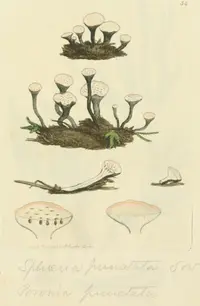
Poronia punctata is associated with open, unimproved grassland habitats where dung is exposed to shifting daylight, wind, and seasonal sun rather than deep shade. The fruiting bodies develop on the dung surface, so light also affects drying and temperature around the substrate. In cultivation or observation, this points to an open position with some protection from harsh drying sun. Preferred light is partial sun to bright filtered light.

  • Ideal exposure:

    Ideal exposure: Poronia punctata needs about 6–8 hours of bright filtered light daily, including 2–4 hours of gentle direct morning or late-day sun.

  • Direct sun:

    Full sun can be tolerated when temperatures are moderate and the surface does not overheat.

  • Low light:

    Deep shade is unsuitable because visible fruiting is more likely to be weak or sparse.

  • Afternoon heat:

    Harsh afternoon sun is the riskiest exposure, especially during hot, dry weather.

Strong sun is mainly a problem when it overheats or dries the surface too quickly.

Bleached discs:

Fruiting surfaces may look paler or washed out after sudden exposure to intense midday sun.

Crisp margins:

The small nail-like discs can dry at the edge or look brittle when sun and heat build together.

Short-lived fruiting:

New fruiting bodies may collapse or stop expanding sooner in exposed, hot conditions.

Move the culture or substrate to partial sun with bright open light. Use light shade during the hottest afternoon hours.

Deep shade usually limits visible development. Because Poronia punctata is linked with open habitats, weak light is more limiting than gentle sun.

  • Sparse fruiting:

    Few or no nail-shaped fruiting bodies may appear during an otherwise suitable active period.

  • Small discs:

    New discs may stay undersized or poorly formed when light remains weak for much of the day.

  • Delayed emergence:

    Visible development may start later than expected in heavily shaded positions.

  • Patchy growth:

    Fruiting may be uneven where nearby objects keep the surface shaded most of the day.

Shift it to a brighter open position with morning sun or filtered daylight. Avoid a dark shelf, shed, or enclosed corner.

If ideal exposure is not available, choose an open spot with morning sun and light afternoon shade. This gives enough brightness without fast drying from the harshest heat.

Clear nearby overhangs or dense cover that keep the substrate shaded most of the day. A brighter, more open position is a better match than deep shade.

Avoid enclosed indoor displays; they lack the open light and airflow this species normally receives.

Get Personalized Care Plan

Scan your plant to receive care tips personalized for your specific plant

FAQ

The best light for Nail Fungus is partial sun or bright filtered light. It tolerates some direct sun but should not be kept in deep shade.

Everything About Nail Fungus

More Plant Light Guides

Get the Botan App

Discover how to care for your plants with Botan.

Botan app identifying a plant with a phone camera
Best Fertilizer for Vegetable Gardens – What to Use for Each Plant

11 min read · 20 Jul 2026

Best Fertilizer for Vegetable Gardens – What to Use for Each Plant

Here, you’ll find the right fertilizer formula for vegetables in your garden. Learn how to adjust feeding correctly throughout the growing cycle, spot nutrient deficiencies by their symptoms, and keep your plants healthy and prolific.

Plant Recommendations

Best Fertilizer for Vegetable Gardens – What to Use for Each Plant
12 Best Cold-Hardy Vegetables for Cold Weather

7 min read · 13 Oct 2026

12 Best Cold-Hardy Vegetables for Cold Weather

Cold-hardy vegetables can keep a garden productive through chilly fall, winter, and early spring weather. This guide covers 12 reliable crops, their frost tolerance, and practical growing tips for better cold-season harvests.

Plant Recommendations
12 Best Cold-Hardy Vegetables for Cold Weather
Plants That Repel Bugs – 20 Effective Options

12 min read · 16 Jul 2026

Plants That Repel Bugs – 20 Effective Options

Mosquitoes on the patio? Gnats in the kitchen? Some plants keep them away with the scent of their own leaves. Here are 20 that deal with mosquitoes, flies, aphids, and more, plus where to put them so they help.

Plant Recommendations
Plants That Repel Bugs – 20 Effective Options