


Big Red (Gyromitra caroliniana) Light Needs

Big Red grows best in partial shade with filtered light and limited direct sun, especially during warm afternoon hours.

Light Preference

Partial Shade

Gyromitra caroliniana Light Requirements

Gyromitra caroliniana is associated with woodland settings, where fruiting bodies develop on the forest floor during the cooler, brighter part of spring. Light is usually broken by branches, leaf litter, and emerging canopy growth rather than open, all-day sun.

These conditions point to a site with steady ambient light, short gentle sun, and protection from heat. Preferred light is partial shade.

  • Ideal exposure:

    Gyromitra caroliniana needs about 4–6 hours of filtered light daily, including no more than 1–2 hours of gentle morning sun.

  • Direct sun:

    Full, hot afternoon sun is risky because exposed fruiting bodies can dry quickly and lose surface color.

  • Lower light:

    Open shade is tolerated, but very dark sites may reduce reliable fruiting and make growth weaker.

  • Morning light:

    Early sun is safer than midday or afternoon sun when temperatures rise.

Strong sun can stress exposed fruiting bodies.

Faded surface:

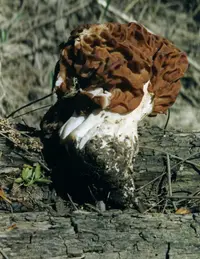
Reddish brown tissue may look washed out after sudden exposure to direct sun.

Dry ridges:

The folded cap surface may become leathery or crisp on the sun-facing side.

Cracking:

Hot, bright exposure can coincide with surface splits as tissue loses moisture.

Uneven collapse:

One side may slump or shrink first where light and heat are strongest.

These signs are not proof of light stress, but the pattern is useful. Move observation or cultivation attempts to filtered woodland light, or add shade during the brightest part of the day. Avoid shifting Gyromitra caroliniana from shade to direct sun abruptly.

This species does not need strong sun, but very dim conditions can limit normal fruiting.

  • Sparse fruiting:

    Few or no fruiting bodies may appear in places with little sky exposure during spring.

  • Small forms:

    New fruiting bodies may remain smaller when light is consistently weak and temperatures stay cool.

  • Leaning growth:

    Stems may angle toward the brighter side instead of developing upright.

  • Delayed appearance:

    Fruiting may lag in dense shade compared with nearby partial-shade spots.

Increase ambient light by choosing a more open woodland-edge position, not a hot, exposed site. Gyromitra caroliniana usually responds best to brighter shade rather than direct sun.

Choose a partial-shade spot with bright sky exposure and shelter from midday heat when ideal conditions are not available.

Use nearby branches, shade cloth, or a loose screen to soften direct rays while keeping the area bright.

Avoid open, all-day sun because exposed fruiting bodies can dry and bleach before they mature.

Get Personalized Care Plan

Scan your plant to receive care tips personalized for your specific plant

FAQ

Big Red light requirements are best described as partial shade: filtered outdoor light, open shade, or brief gentle morning sun with protection from hot afternoon exposure.

More Plant Light Guides

Get the Botan App

Discover how to care for your plants with Botan.

Botan app identifying a plant with a phone camera
How to Group Plants in Landscaping: A Practical Layout Guide

8 min read · 31 Aug 2026

How to Group Plants in Landscaping: A Practical Layout Guide

Good plant grouping can mean the difference between a well-planned garden and one that looks sloppy. This guide explores layers, spacing, cluster shapes, and the plants that thrive when you group them.

Plant Care
How to Group Plants in Landscaping: A Practical Layout Guide
How Long Can Flowers Go Without Water? Everything You Need to Know

6 min read · 10 Jul 2026

How Long Can Flowers Go Without Water? Everything You Need to Know

Flowers can survive without water anywhere from 1-2 hours to several months, depending on the plant type, species, and growing conditions. Some strong-looking flowers are drought-sensitive, while delicate-looking plants may tolerate long dry periods surprisingly well.

Plant Care
How Long Can Flowers Go Without Water? Everything You Need to Know
12 Best Landscaping Trees for Your Garden

8 min read · 6 Oct 2026

12 Best Landscaping Trees for Your Garden

Choosing the landscape tree depends on what your garden needs most. These 12 options include compact flowering specimens, colorful deciduous trees, shade varieties, and evergreens suitable for screening and year-round structure.

Plant Recommendations
12 Best Landscaping Trees for Your Garden