

panther cap (Amanita pantherina) Light Needs

panther cap grows best in partial shade, with filtered woodland light and only brief gentle sun.

Light Preference

Partial Shade

Amanita pantherina Light Requirements

This species fruits from soil in wooded habitats, where overhead canopy breaks sunlight into shifting patches. The fruiting bodies usually receive filtered light, partial shade, and some seasonal brightness when the canopy is thinner. Open, harsh sun is not its usual setting and can dry or fade exposed caps. These conditions point to outdoor culture only in shaded, woodland-like sites. Preferred light is partial shade.

  • Ideal exposure:

    Amanita pantherina needs about 4–6 hours of filtered light or partial shade daily, including up to 1–2 hours of gentle morning sun.

  • Direct sun:

    Full sun is not suitable; brief early sun is tolerated better than hot midday or afternoon exposure.

  • Shade tolerance:

    Dappled shade is suitable, especially where the site stays bright enough to show normal seasonal changes.

  • Risky exposure:

    Hot, exposed locations can stress visible fruiting bodies by drying and fading them quickly.

Strong sun usually shows on exposed fruiting bodies first.

Faded cap surface:

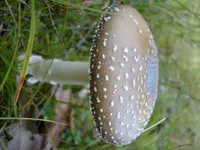
The brown cap may look washed out after direct midday or afternoon sun, especially on the most exposed side.

Cracked cap skin:

Rapid surface drying can leave shallow cracks or a dull, tight-looking cap rather than a smooth surface.

Shriveled margin:

The cap edge may curl, shrink, or look leathery when light exposure is paired with hot open air.

Short-lived fruiting:

Visible mushrooms may collapse sooner in bright exposed sites, though age and weather can cause similar changes.

Block the afternoon sun with shade cloth or nearby cover during the brightest part of the day. Avoid sudden changes from shade into direct sun.

This species tolerates shade, so weak light is usually a secondary issue. Very deep shade can still affect visible growth.

  • Sparse fruiting:

    Few or no fruiting bodies may appear in season when a site is dark all day, though soil conditions are often involved.

  • Paler caps:

    Caps may develop less even brown coloration where light is extremely limited, especially under dense cover.

  • Weak orientation:

    Fruiting bodies may lean toward brighter gaps instead of developing upright in evenly filtered light.

  • Small forms:

    New mushrooms may remain smaller in very dark, enclosed spots, but this sign is not specific to light.

Choose brighter dappled shade rather than full exposure. Open the overhead cover slightly if the site stays dark throughout the day.

Choose a sheltered outdoor spot with bright shade if ideal woodland-like light is not available. Aim for morning brightness and shade during the hottest afternoon hours.

Use shade cloth or overhead cover to soften direct rays. Keep the exposure consistent instead of moving fruiting bodies into stronger light suddenly.

Avoid open, all-day sun. It can fade and dry exposed caps before normal development is complete.

Get Personalized Care Plan

Scan your plant to receive care tips personalized for your specific plant

FAQ

The best light for panther cap is filtered light or partial shade, similar to a bright woodland edge. Avoid full, open sun, especially during hot afternoon hours.

Everything About panther cap

More Plant Light Guides

Get the Botan App

Discover how to care for your plants with Botan.

Botan app identifying a plant with a phone camera
How Long Can Flowers Go Without Water? Everything You Need to Know

6 min read · 10 Jul 2026

How Long Can Flowers Go Without Water? Everything You Need to Know

Flowers can survive without water anywhere from 1-2 hours to several months, depending on the plant type, species, and growing conditions. Some strong-looking flowers are drought-sensitive, while delicate-looking plants may tolerate long dry periods surprisingly well.

Plant Care
How Long Can Flowers Go Without Water? Everything You Need to Know
12 Best Plants for Bathroom That Thrive in Humid Conditions

9 min read · 29 Sept 2026

12 Best Plants for Bathroom That Thrive in Humid Conditions

Discover the 12 best plants for bathroom spaces. Each pick comes with its own advantages, plus light, humidity, watering, and placement tips. Take a look and match the plant to your specific bathroom.

Plant Recommendations
12 Best Plants for Bathroom That Thrive in Humid Conditions
Best Fertilizer for Grass in Summer: How to Choose the Right One

6 min read · 18 Aug 2026

Best Fertilizer for Grass in Summer: How to Choose the Right One

The right fertilizer in summer can make a lawn thrive. The wrong one can damage it. Here, you’ll learn the best NPK ratios by grass type, when and how to apply your formula, and how to recognize the signs of over- or under-fertilizing.

Plant Care
Best Fertilizer for Grass in Summer: How to Choose the Right One