


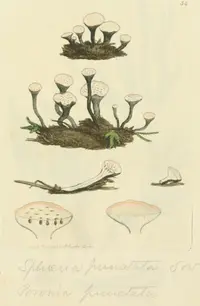

Blue Tooth (Hydnellum caeruleum) Light Needs

Blue Tooth grows best in partial shade, with filtered light and protection from direct afternoon sun.

Light Preference

Partial Shade

Hydnellum caeruleum Light Requirements

This species is associated with cool, shaded forest floors where fruiting bodies emerge from soil and organic litter. In those settings, overhead cover breaks direct sun into dim, filtered light, while seasonal gaps may allow brief, weak rays. Because the visible fruiting body is prone to drying in exposed sites, cultivated conditions should copy this sheltered pattern. It prefers partial shade.

  • Ideal exposure:

    Blue Tooth needs about 4–6 hours of filtered light or open shade daily, with no required direct sun.

  • Direct sun:

    Full sun and regular part sun are risky because exposed fruiting bodies can dry, fade, or crack.

  • Lower light:

    Deep shade is tolerated better than sun, but complete darkness may reduce normal fruiting and color development.

  • Morning exposure:

    If direct rays reach the site, keep them brief and limited to cool morning conditions.

Strong sun can damage the exposed fruiting body before other stress is obvious.

Faded blue tones:

Color may bleach or look washed out on the side facing harsh light.

Dry cap surface:

The cap can appear dull, firm, or leathery after repeated direct exposure.

Cracked margins:

Edges may split or curl when sun and heat dry tissue unevenly.

Shriveled teeth:

The underside spines may look shortened or brittle in exposed positions.

Shift protection toward brighter shade, not open sun. Use overhead screening or a naturally shaded spot where afternoon rays do not reach Hydnellum caeruleum.

Too little light is less common than too much for this shade-tolerant species. Complete darkness is the main concern.

  • Poor fruiting:

    Visible fruiting bodies may be sparse when a site is dark, enclosed, and poorly cued by natural light.

  • Muted color:

    Blue tones may be weaker when development occurs without any filtered daylight.

  • Misshapen growth:

    In very dark conditions, new tissue may form unevenly rather than developing a typical cap and tooth structure.

  • Lightward growth:

    Fruiting may appear only near small openings where dim light reaches the surface.

Move the setup to open shade with steady ambient light. Avoid shifting Hydnellum caeruleum into direct sun as a quick correction.

Choose open shade or filtered light as the safest compromise when the ideal woodland-like exposure is unavailable. Add overhead screening if midday or afternoon sun reaches the fruiting area.

Keep the site near steady ambient daylight rather than against a hot, exposed surface. Remove objects that create complete darkness over the fruiting area.

Full sun is unsuitable because it dries and fades the visible fruiting body too quickly.

Get Personalized Care Plan

Scan your plant to receive care tips personalized for your specific plant

FAQ

The best light for Blue Tooth is partial shade with filtered daylight. It does not need full sun, and harsh afternoon exposure is more likely to dry the fruiting body.

More Plant Light Guides

Get the Botan App

Discover how to care for your plants with Botan.

Botan app identifying a plant with a phone camera
How to Use a Moisture Meter for Plants

5 min read · 4 Sept 2026

How to Use a Moisture Meter for Plants

Watering by feel kills plenty of houseplants. A moisture meter checks the soil for you, and takes the guesswork out of it. This guide will show you how to use it correctly, from the first touch to the final reading.

Beginner Guides
How to Use a Moisture Meter for Plants
How to Water Houseplants: Watering Guide

7 min read · 24 Aug 2026

How to Water Houseplants: Watering Guide

Learn how often to water indoor plants, key factors for proper watering, and how to adjust the care routine by plant type, season, pot size, light, and indoor conditions.

Plant Care
How to Water Houseplants: Watering Guide
Dill Companion Plants – What to Grow Next to Dill

9 min read · 17 Jul 2026

Dill Companion Plants – What to Grow Next to Dill

Dill is an easy-to-grow plant that gets along well with many vegetables. This guide describes 15 plants that can be planted alongside it, a few to avoid, and mistakes that can quietly sabotage the entire process.

Plant Recommendations
Dill Companion Plants – What to Grow Next to Dill