

Parasol (Macrolepiota procera) Light Needs

Parasol grows best in partial shade or filtered light, with only gentle direct sun for short periods.

Light Preference

Partial Shade

Macrolepiota procera Light Requirements

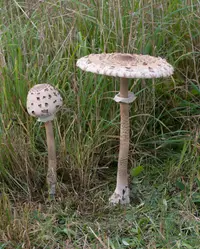
Macrolepiota procera is typically found in open grassland, pastures, woodland edges, and clearings where light is bright but not harsh all day. Fruiting often happens where surrounding growth breaks the strongest sun and keeps the surface from drying too quickly.

These conditions explain why cultivated or managed sites should avoid exposed full sun, especially during warm afternoons. It prefers partial shade.

  • Ideal exposure:

    Parasol does best with about 4–6 hours of partial sun or filtered light daily, including 1–2 hours of gentle morning sun.

  • Full sun:

    Unbroken all-day sun is risky because caps and surface mycelium can dry before normal fruiting develops.

  • Morning sun:

    Early direct sun is better tolerated than hot afternoon sun, especially during dry or windy weather.

  • Shade tolerance:

    Light shade is acceptable, but very dark sites may reduce fruiting cues and produce weak, elongated growth.

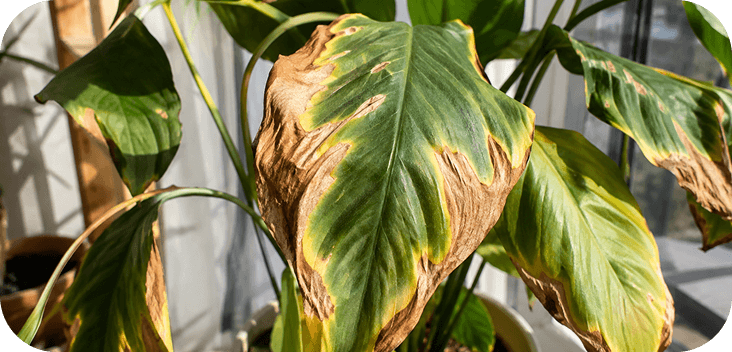
Excess light usually shows as drying and heat stress.

Faded caps:

Caps may look bleached or washed out after exposure to strong midday or afternoon sun.

Cracked surface:

The cap surface can dry, split, or become leathery when light and heat are too intense.

Shriveled margins:

Edges may curl upward or shrivel before the cap has expanded normally.

Failed pins:

Small developing mushrooms may stall in exposed spots where sun dries the surface quickly.

Move Macrolepiota procera to a brighter shaded position or add temporary shade during the hottest part of the day. Reduce direct afternoon exposure first, then watch new growth for a steadier shape and texture.

Weak light mostly affects fruiting form and timing. The species still needs light cues, even though it does not use light as food.

  • Stretched stems:

    Stipes may grow taller and thinner than expected as developing caps seek brighter conditions.

  • Leaning growth:

    Fruiting bodies may bend toward the nearest open light instead of standing evenly.

  • Small caps:

    Caps may stay small or open poorly when the site remains very dim.

  • Sparse fruiting:

    Macrolepiota procera may produce fewer visible mushrooms in deep shade, even when other conditions seem suitable.

Shift the site toward open shade or filtered light rather than full sun. Increase brightness gradually if growth formed in a very dim position.

If ideal partial shade is not available, choose open shade with brief morning sun rather than an exposed, all-day sun position.

Use nearby cover or shade cloth to soften midday light, and keep the fruiting area where air movement does not combine with harsh sun.

A dark corner or enclosed indoor spot is unsuitable because weak light gives poor fruiting cues and often produces stretched, uneven growth.

Get Personalized Care Plan

Scan your plant to receive care tips personalized for your specific plant

FAQ

The best light for Parasol is partial shade or filtered light, with several hours of brightness and only short, gentle direct sun.

Everything About Parasol

More Plant Light Guides

Get the Botan App

Discover how to care for your plants with Botan.

Botan app identifying a plant with a phone camera
10 Easy Garden Flowers to Grow

8 min read · 10 Sept 2026

10 Easy Garden Flowers to Grow

Discover 10 garden flowers that require minimal care. Learn which characteristics make plants easy to grow and follow tips on how to create a beautiful corner from beginner-friendly blooms on your property.

Beginner Guides
10 Easy Garden Flowers to Grow
What Do Plants Need to Grow – 5 Things Every Greenery Can't Live Without

8 min read · 31 Jul 2026

What Do Plants Need to Grow – 5 Things Every Greenery Can't Live Without

To keep plants healthy and thriving, provide the right balance of light, humidity, nutrients, airflow, and quality soil. This guide covers the essentials of year-round plant care.

Beginner Guides
What Do Plants Need to Grow – 5 Things Every Greenery Can't Live Without
How to Group Plants in Landscaping: A Practical Layout Guide

8 min read · 31 Aug 2026

How to Group Plants in Landscaping: A Practical Layout Guide

Good plant grouping can mean the difference between a well-planned garden and one that looks sloppy. This guide explores layers, spacing, cluster shapes, and the plants that thrive when you group them.

Plant Care
How to Group Plants in Landscaping: A Practical Layout Guide