



7 min read · 24 Aug 2026
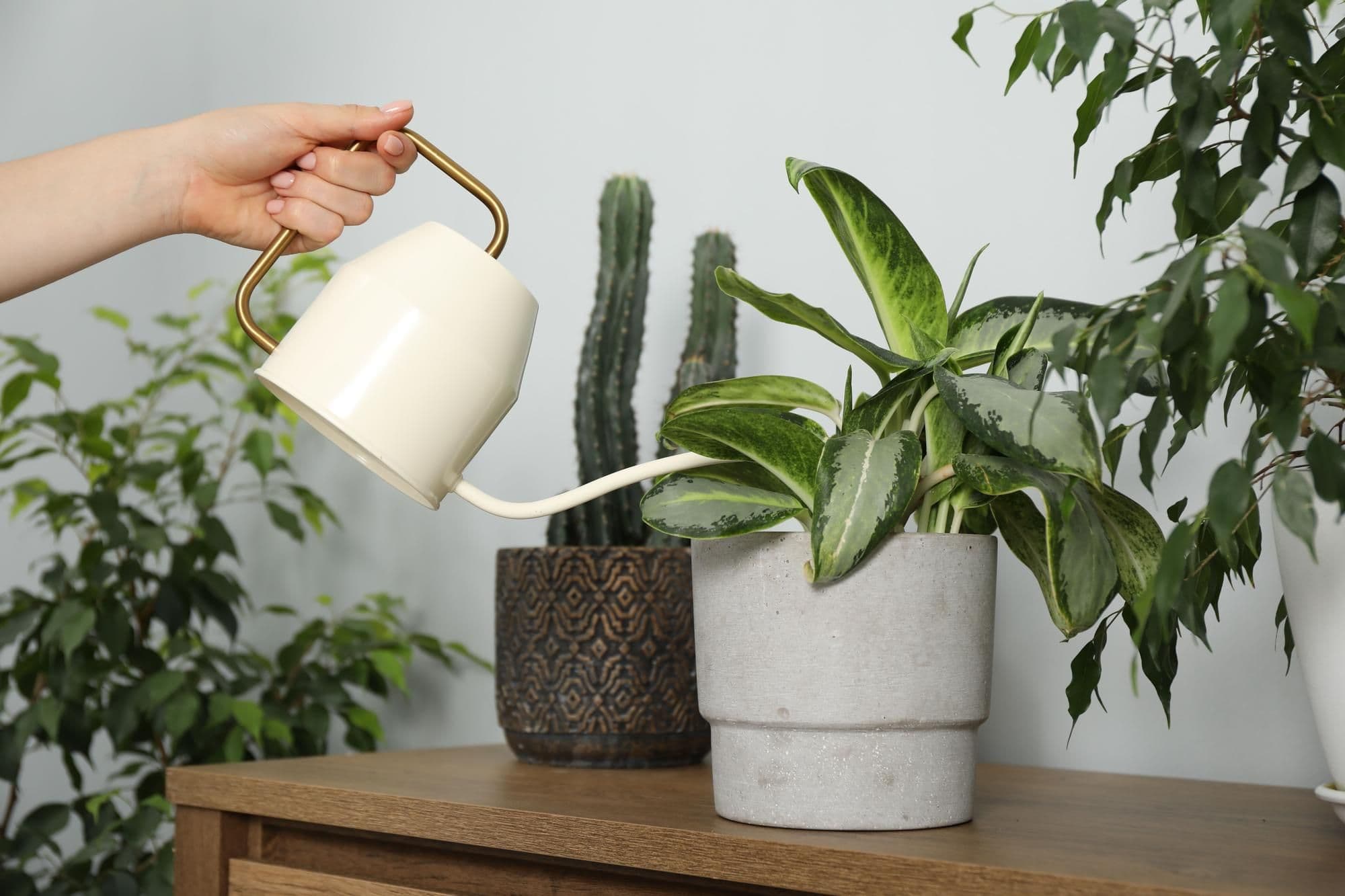
How to Water Houseplants: Watering Guide
Learn how often to water indoor plants, key factors for proper watering, and how to adjust the care routine by plant type, season, pot size, light, and indoor conditions.
Plant Care

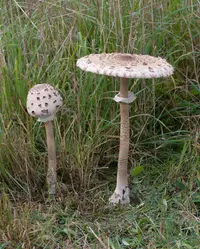
Recognize Macrolepiota procera by its broad, flat to slightly raised cap on a tall, slender stem, often 6-12 inches (15-30 cm) across and 8-16 inches (20-40 cm) tall.
Check for a dark central knob, brown scales on a pale cap, and a thick, movable ring on the stem.
Upload a clear image to check whether your plant ID is correct.
Clear images work best. Avoid photos taken too close or too far away
Use a few easy visual checks to assess this mushroom.
Check several features together, especially the scaled cap, patterned stem, free gills, and ring.
Macrolepiota procera shows clear shape changes from button stage to fully expanded mushroom.
In late summer through fall, Macrolepiota procera is most recognizable because the fruiting body appears above ground. Fresh specimens often show a rounded cap that later opens into the classic broad parasol shape, making this season the easiest time to identify it. Outside the fruiting period, the mushroom is usually absent from view, so there are no persistent stems, leaves, or woody parts to check in winter or spring.
Several large, scaly mushrooms can be mistaken for Macrolepiota procera.
shaggy parasol(Chlorophyllum rhacodes)
Similar in size and cap pattern. It usually lacks the distinct snakeskin pattern on the stem and has a smoother, more abruptly bulbous stem base.
green-spored parasol(Chlorophyllum molybdites)
Also has a broad scaly cap and ringed stem. The quickest check is the gills and spore print: mature gills turn greenish, and the spore print is green, not white.
false parasol(Chlorophyllum brunneum)
Can look very similar when young. It is stockier, with a more swollen bulb at the base, and the stem does not show the clear brown snakeskin pattern.
Macrolepiota procera is native across much of Europe and is also widely recorded in temperate parts of Asia. It is not tied to deep forest. It most often appears in open woodland, woodland edges, heath, rough pasture, and grassy clearings. That habitat pattern helps with identification. A tall parasol-like mushroom found in open, well-lit ground near trees or in unimproved grassland is more consistent with Macrolepiota procera than similar species that favor denser woods or richer lawns.

Confirm Your Plant Species
Use Botan to double-check your plant ID
Botan can compare a photo and help confirm the identification, which is useful when details are unclear or similar species cause confusion.
The quickest Parasol identification clue is the tall stature and broad cap with brown scales on a paler background, plus a snake-skin patterned stem and a movable ring high on the stem.
Use Botan to identify it from a photo, then review plant details, care information, and common problems for that species.
7 min read · 24 Aug 2026
Learn how often to water indoor plants, key factors for proper watering, and how to adjust the care routine by plant type, season, pot size, light, and indoor conditions.
7 min read · 20 Aug 2026
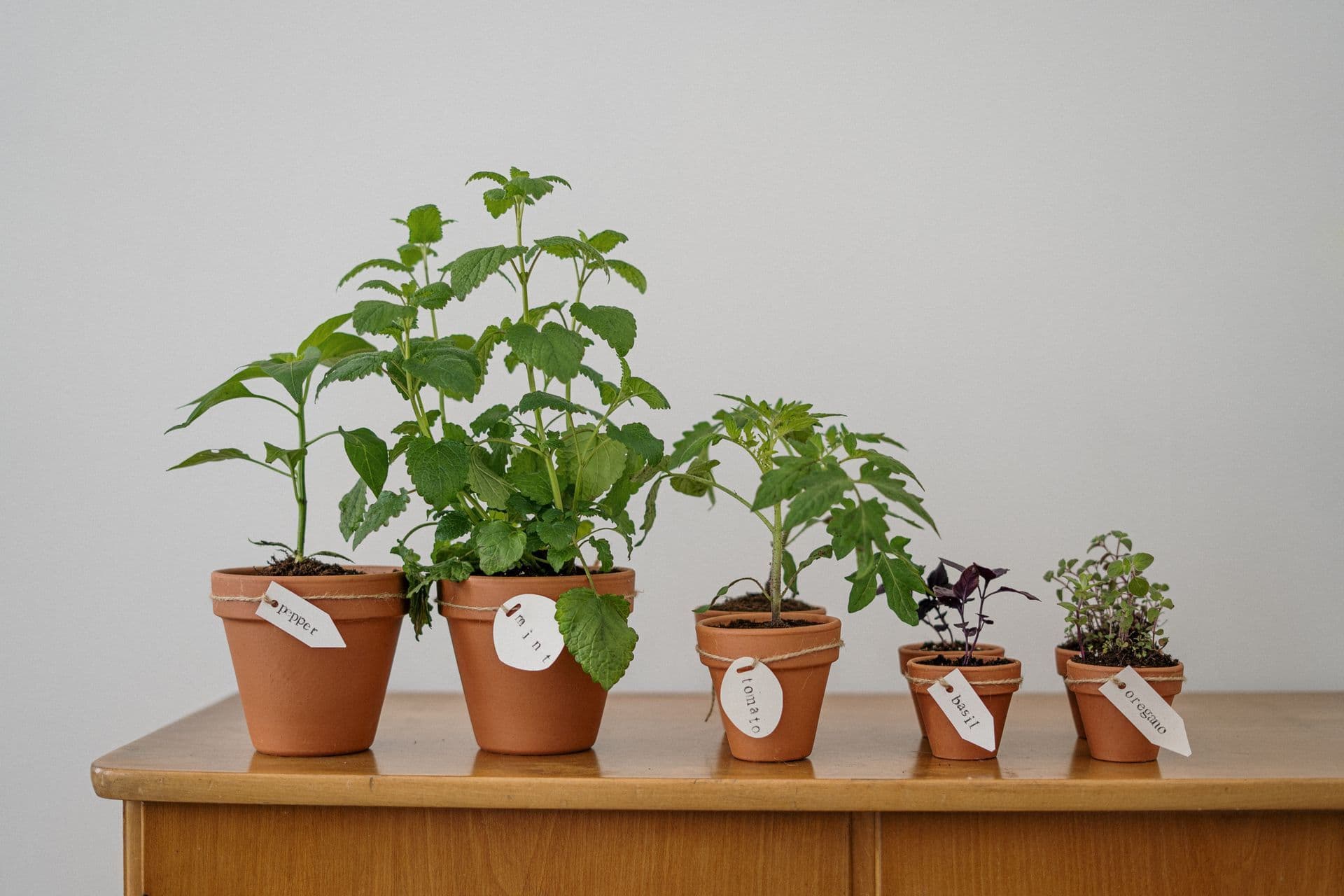
Plant pot sizes can be confusing because the number on the label only tells you part of the required information. A container may look spacious but actually be too shallow. So, how to choose pot size for plant species?
13 min read · 28 Jul 2026
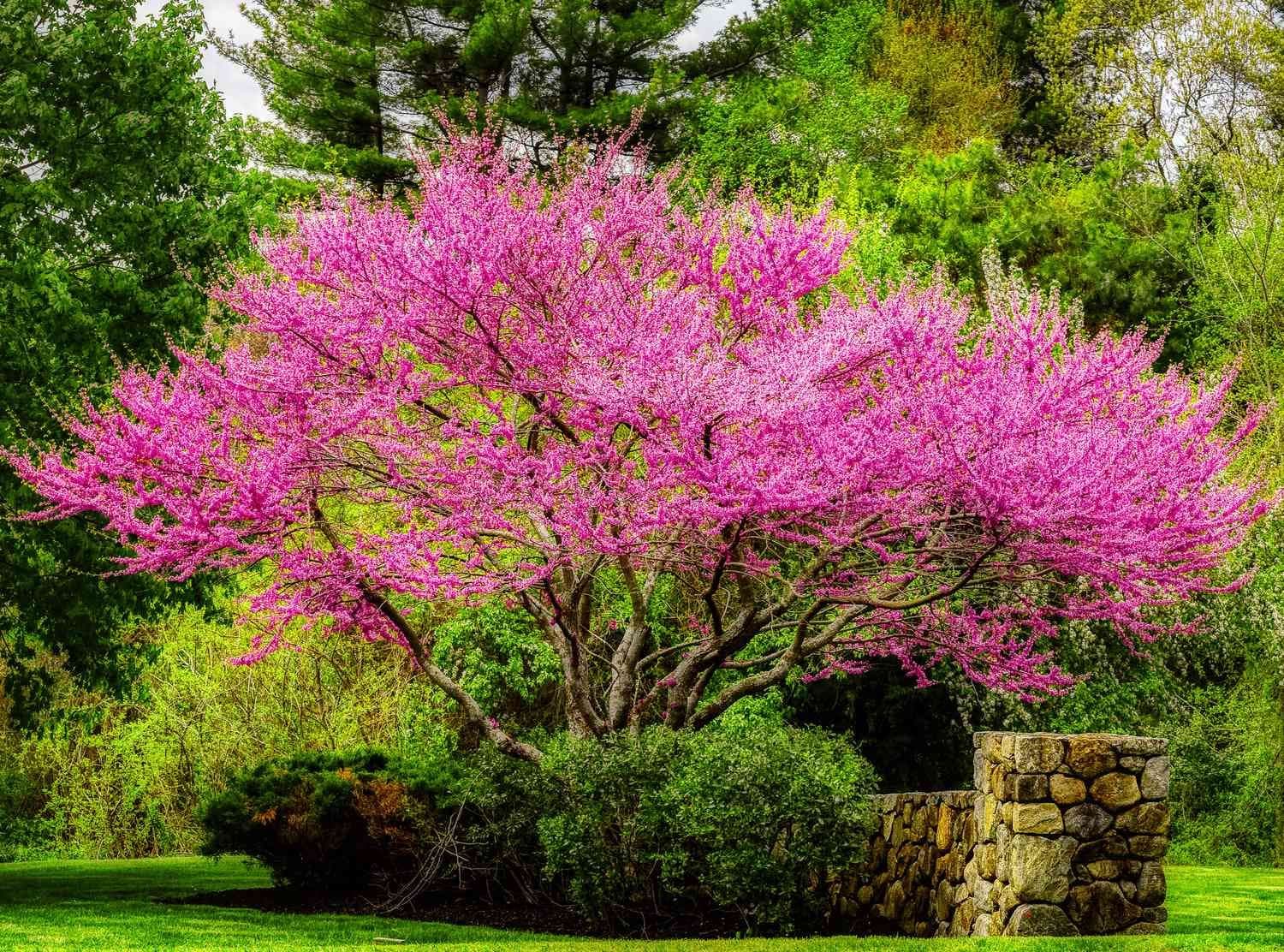
Learn which of the 15 fastest-growing trees will suit your area. We’ll share detailed information on each: growth rate, mature spread, key tree demands, and main vulnerabilities. Read on and make the best choice possible.