
Cayenne pepper Identification (Capsicum annuum)

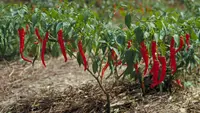
Recognize Capsicum annuum by its simple, smooth-edged leaves borne alternately on branching green stems, its solitary white five-petaled flowers at the leaf nodes, and its hollow, many-seeded berries that hang or stand upright.

Most plants form a bushy, soft-stemmed clump about 1-3 feet tall (30-90 cm).

Capsicum annuum Identification

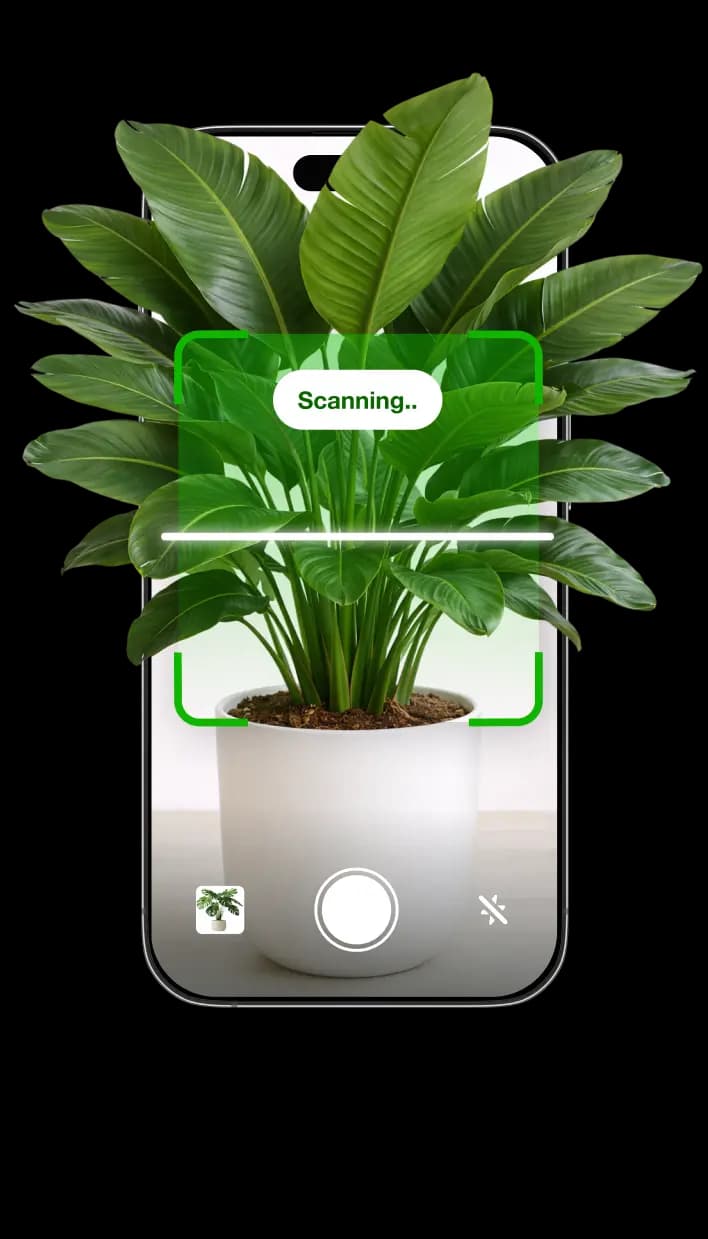
Identify Your Plant with Botan

Upload a plant photo and check the identification in seconds.

Clear images work best. Avoid photos taken too close or too far away

Use these quick traits to check Capsicum annuum by eye.

  • An upright, branching herb or subshrub, often 1-3 feet (30-90 cm) tall, with smooth green stems.
  • Leaves are simple, alternate, oval to lance-shaped, usually 2-6 inches (5-15 cm) long, with pointed tips and smooth edges.
  • Flowers are small, star-shaped, and usually white, with 5 petals and a short green calyx at the base.
  • Fruits hang down or stand outward; they are hollow peppers with a glossy skin and many pale flat seeds inside.

Check the leaf arrangement and 5-petaled flowers first, then confirm with the pepper-shaped fruit.

Capsicum annuum shows useful visual shifts from seedling through flowering and fruiting stages.

  • Seedling: Seedlings start with two narrow seed leaves, then produce small, smooth true leaves on a soft green stem with little branching.
  • Young plant: The plant becomes bushier, with alternate, ovate leaves and clearer side branching, usually reaching about 8-18 inches (20-45 cm) before flowering.
  • Flowering stage: Short-stalked, white, star-shaped flowers appear singly or in small groups at leaf axils, hanging slightly downward and exposing a central cluster of stamens.
  • Fruiting stage: After flowering, elongated peppers replace blossoms, first green and firm, then ripening red; fruits hang from branch nodes and visibly outweigh the earlier flowers.

Capsicum annuum includes several forms that are easy to separate by fruit shape, color, and plant habit.

  • var. glabriusculum: Plants are usually smaller and more open, with many tiny upright fruits about 1/4-1/2 inch (0.6-1.3 cm) wide that ripen red.
  • 'Black Pearl': Leaves and stems are deep purple to nearly black, and the round upright fruits mature from black to red.
  • 'Medusa': This ornamental form stays short, often about 8-12 inches (20-30 cm) tall, with many slender upright fruits in mixed cream, yellow, orange, and red.
  • 'Purple Flash': Foliage is purple with irregular white variegation, and the plant keeps a low, bushy shape with small dark fruits.

Capsicum annuum becomes easier to identify from late spring into summer, when small white, star-shaped flowers appear at the leaf joints. By summer into fall, those flowers are replaced by hanging peppers that enlarge and often change from green to red, yellow, or orange as they ripen. In frost-prone areas, plants may blacken and collapse after frost.

A few pepper relatives are often mistaken for Capsicum annuum.

tabasco pepper(Capsicum frutescens)

Often confused because both are bushy peppers with narrow fruits. Tabasco usually carries fruits upright, while many annuum peppers hang down. Its flowers are commonly greenish white, and the calyx, the small cup behind the fruit, usually lacks the pronounced teeth often seen in annuum.

habanero, Scotch bonnet, and related peppers(Capsicum chinense)

Confusion is common when plants are young or sold without fruit. C. chinense usually has broader, more wrinkled leaves and a denser, branching habit. The ripe fruits are often squat, lantern-like, or bonnet-shaped rather than long, tapered, or blocky.

  • Skin and eye irritation: Fruit and seeds can contain capsaicin, the compound that causes heat. Contact with cut fruit or pepper juice can irritate skin and especially eyes in humans.
  • Ingestion by pets: Fruit is not a classic poison, but capsaicin in peppers can irritate the mouth and digestive tract if eaten by pets, especially dogs and cats.

Confirm the Species with Botan

Upload a photo to compare key features and get help identifying or confirming the plant before you label it.

FAQ

Leaves are arranged alternately along the stems, though they can appear nearly paired at some nodes. This helps with Capsicum annuum identification when combined with smooth-edged, simple leaves and green, branching stems.

More Plant Identification Guides

Identify Your Plant and Learn More

Use a photo to identify it with Botan, then see plant details, care information, and common problems for that species.

Botan app identifying a plant from a photo
What Do Plants Need to Grow – 5 Things Every Greenery Can't Live Without

8 min read · 31 Jul 2026

What Do Plants Need to Grow – 5 Things Every Greenery Can't Live Without

To keep plants healthy and thriving, provide the right balance of light, humidity, nutrients, airflow, and quality soil. This guide covers the essentials of year-round plant care.

Beginner Guides

What Do Plants Need to Grow – 5 Things Every Greenery Can't Live Without
How Fast Does Bamboo Grow Per Day, Month, and Year

10 min read · 7 Jul 2026

How Fast Does Bamboo Grow Per Day, Month, and Year

Bamboo grows extremely fast: some species can reach 5-6 m in just 3-4 months under the right conditions. This guide explains how much bamboo can grow per day, week, and year, and what affects its growth rate.

Plant Recommendations
How Fast Does Bamboo Grow Per Day, Month, and Year
How to Bottom Water Plants: Complete Guide

6 min read · 13 Jul 2026

How to Bottom Water Plants: Complete Guide

Bottom watering helps soil absorb moisture evenly and keeps foliage dry, reducing the risk of missed dry spots or root problems. Place the pot in a tray of water for a short time, then let it drain well.

Plant Care
How to Bottom Water Plants: Complete Guide