

prickly lettuce Identification (Lactuca serriola)

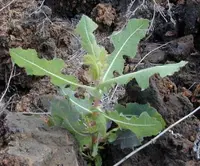
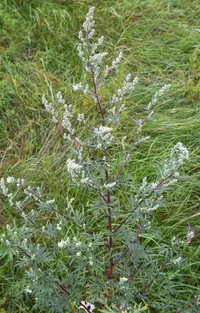
Recognize prickly lettuce by its tall, single-stemmed habit, deeply lobed leaves that clasp the stem, and a distinct row of small prickles along the leaf midrib on the underside.

Plants often reach 3 to 6 feet (0.9 to 1.8 m) tall, with narrow branching clusters of small yellow dandelion-like flower heads near the top.

Lactuca serriola Identification

Identify a Plant by Photo

Take or upload a photo to confirm your plant ID with Botan.

Clear images work best. Avoid photos taken too close or too far away

Check the plant’s upright form, leaf shape, and stem details first.

  • Tall, single-stemmed annual, often 2-6 feet (0.6-1.8 m) high, with branching mostly near the top.
  • Leaves are long and narrow, deeply lobed, and clasp the stem with pointed ear-like bases.
  • A row of small prickles runs along the underside leaf midrib, often the easiest close visual clue.
  • Upper leaves often twist so their edges face sideways rather than lying flat.
  • Flower heads are small, yellow, dandelion-like, and carried in many loose clusters near the stem tips.

Look closely at the leaf undersides and stem-clasping leaf bases.

Lactuca serriola shows clear structural changes from basal rosette to tall, branched flowering stem.

  • Seedling: Seedlings show narrow cotyledons, then small first leaves with shallow lobes; the plant stays low and lacks a clear stem.
  • Young plant: A basal rosette forms. Leaves become longer, more deeply lobed, and often twist so edges turn upright rather than lying flat.
  • Mature plant: The stem elongates to 2-5 feet (0.6-1.5 m). Upper leaves clasp the stem, and the whole plant becomes narrow and vertical.
  • Flowering stage: Branching increases near the top, creating many small yellow dandelion-like flower heads in a loose, airy cluster rather than a single head.

In spring, Lactuca serriola often appears first as a basal rosette, with lobed leaves close to the ground. By early to mid-summer, it sends up a tall, stiff stem, making the plant much easier to spot from a distance. Flower heads become visible in summer, followed by fluffy white seed heads that resemble small dandelion-like tufts. After seed set, plants dry out and remain as pale, upright stalks.

Several yellow-flowered weeds can be mistaken for prickly lettuce.

Canada lettuce(Lactuca canadensis)

Similar tall habit and dandelion-like flower heads. It usually lacks the stiff prickles on the leaf midrib underside, and its leaves are often less deeply lobed.

sow thistle(Sonchus oleraceus)

Similar lobed leaves and yellow flower heads. It has softer, less spiny leaves that clasp the stem with rounded ear-like lobes, not the narrow, prickly midrib.

prickly sow thistle(Sonchus asper)

Also spiny with yellow heads. Its leaves are shinier and thicker, with sharply rounded clasping lobes at the stem; Lactuca serriola has narrower leaves and a distinct row of prickles under the midrib.

Lactuca serriola is native to Europe, western Asia, and North Africa. It is most often associated with open, disturbed ground rather than intact natural vegetation, including roadsides, field edges, vacant lots, rail corridors, and dry grassland. That setting helps with identification because the species commonly appears as a self-sown weed in sunny, exposed places, often in compacted or gravelly soil. Finding it in repeatedly disturbed urban or agricultural sites can help narrow the ID.

Not Sure About the ID?

Use Botan to compare a photo and help confirm the plant, which can save time before you keep researching.

FAQ

The most reliable trait is the row of stiff prickles along the underside midrib of each leaf. In prickly lettuce identification, the leaves also often twist edge-on in a vertical plane.

More Plant Identification Guides

Identify It. Learn More About It.

Use Botan to identify a plant from a photo, then review species details, care information, and common problems.

Botan app identifying a plant from a photo
Best Water for Plants – How to Choose the Right Type

7 min read · 13 Aug 2026

Best Water for Plants – How to Choose the Right Type

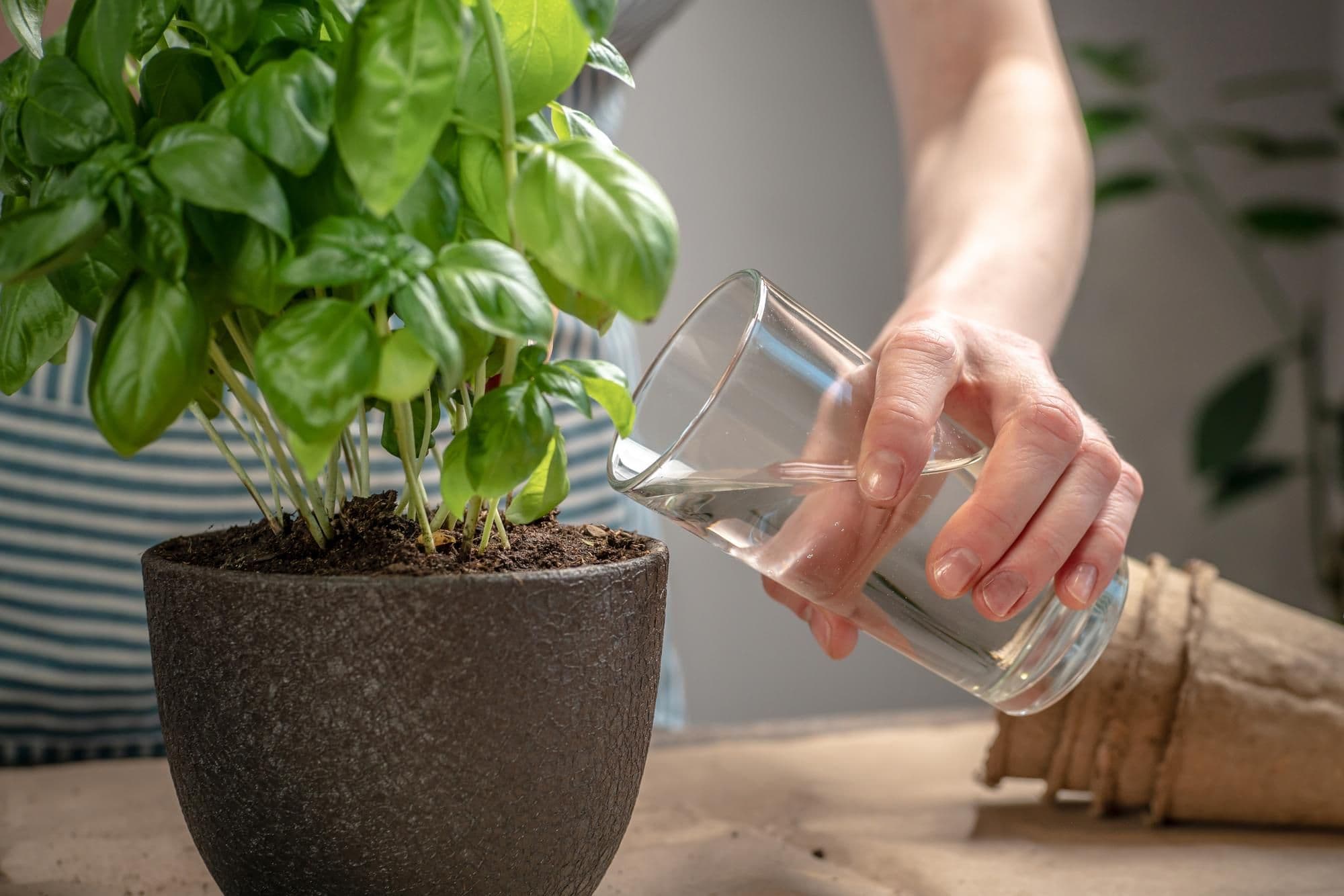
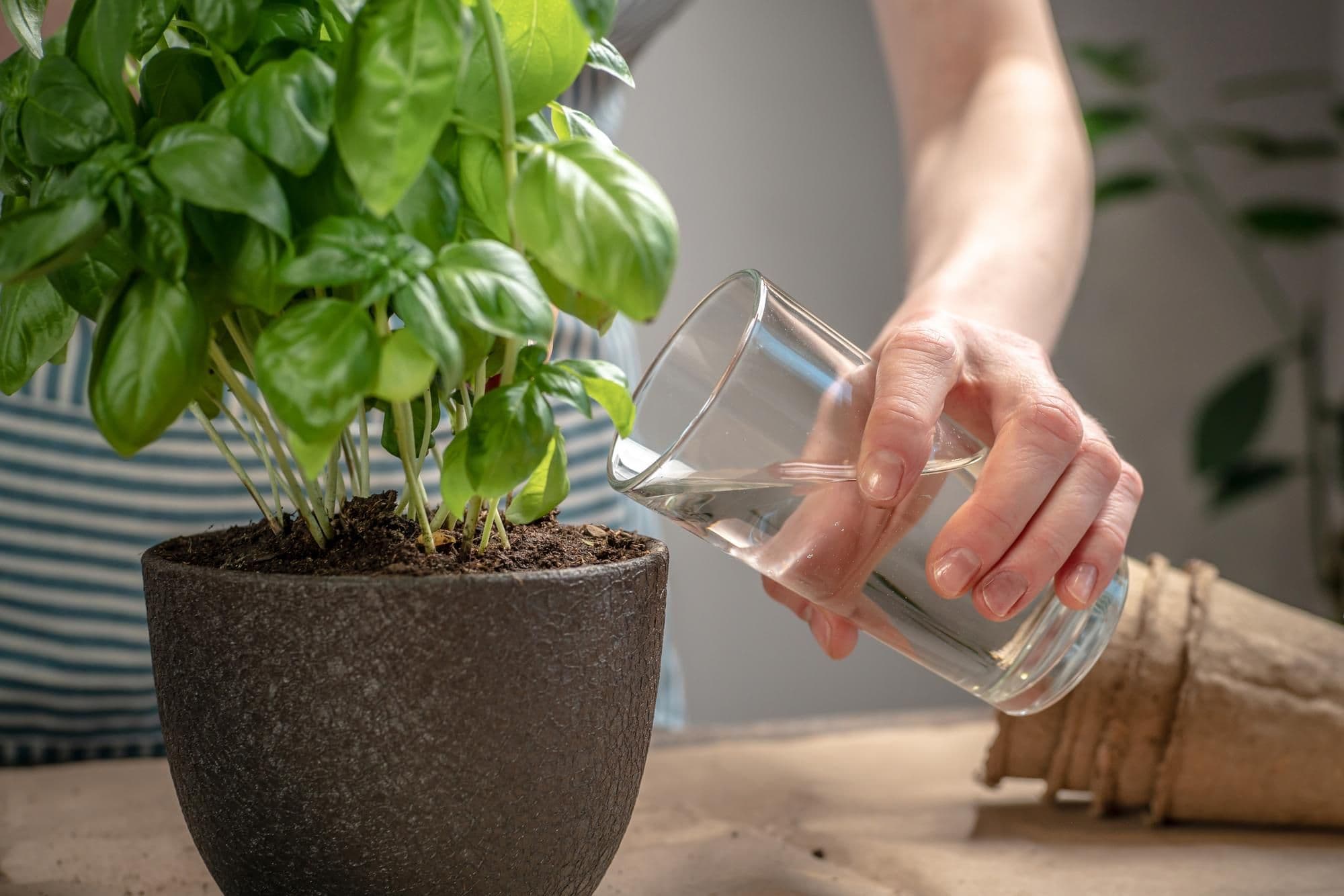
Rainwater, filtered, distilled, and tap water affect plants differently. Learn which types support healthy growth and which cause slow damage. Match each to your plants and discover how to easily improve tap water quality.

Plant Care
Best Water for Plants – How to Choose the Right Type
Is Sugar Water Good for Plants?

4 min read · 14 Sept 2026

Is Sugar Water Good for Plants?

Sugar water may sound like an easy boost, but most rooted plants do not need extra sucrose. This guide explains how green tissues produce carbohydrates, when a sweetened solution can be useful, and why too much can cause problems.

Plant Care
Is Sugar Water Good for Plants?
What Do Plants Need to Grow – 5 Things Every Greenery Can't Live Without

8 min read · 31 Jul 2026

What Do Plants Need to Grow – 5 Things Every Greenery Can't Live Without

To keep plants healthy and thriving, provide the right balance of light, humidity, nutrients, airflow, and quality soil. This guide covers the essentials of year-round plant care.

Beginner Guides
What Do Plants Need to Grow – 5 Things Every Greenery Can't Live Without