Staggered Succession Sowing
Sow small patches every 10–14 days during the cool season so older plants can bolt and self-seed while younger plants supply tender leaves for harvest.

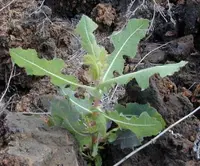
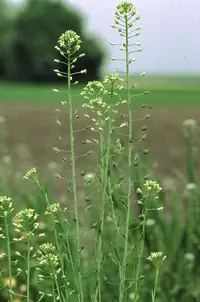
Prickly lettuce, Lactuca serriola, is a fast-growing annual or biennial herb often seen as a common roadside and garden weed. It forms a leafy rosette first, then sends up a tall, often spiny stem with narrow, lobed leaves and small pale yellow flowers.
This species is native to Europe and Asia but is now widespread across North America, especially in disturbed soils, fields, and urban areas. It self-seeds easily and can spread quickly, which makes it persistent once established.
It tolerates poor soil, drought, and full sun, so it is generally easy to maintain or control once you understand how to care for prickly lettuce in a managed space.

Care Difficulty
Easy Care

Light Preference
Full Sun

Water Requirements
Moderate Water

Temperature Preference
Cool Climate

Hardiness Zone
4–8

Soil Texture
Sandy, Loamy, Clay

Soil pH
Slightly acidic (6.5–7.0), Slightly alkaline (7.0–7.5)

Soil Drainage
Well-drained

Fertilization
Minimal (feed rarely)
Scan your plant to receive care tips personalized for your specific plant
Available on iOS and Android
This wild lettuce prefers strong light and handles open, exposed sites well.
This species prefers moderately dry to slightly moist soil and copes well with short dry spells.
This hardy annual thrives in cool to warm conditions but dislikes temperature extremes.
Humidity is not a major factor for Lactuca serriola, which is naturally adapted to dry, open habitats.
Lactuca serriola grows best in loose, well-drained mineral soil with moderate fertility.
This species can be grown in containers outdoors if the pot is stable and drains very freely.
Wild Lactuca serriola, or prickly lettuce, generally grows well in average soil and needs only light feeding in cultivation.
Pruning Lactuca serriola is mostly about managing size, tidiness, and seed production.
This species is usually grown in open ground, so focus on careful transplanting rather than repeated repotting.
Lactuca serriola is most commonly propagated by seed, which germinates fast under suitable conditions.
Lactuca serriola is a hardy annual or biennial that needs little specific winter care in most temperate climates.

Plant Health Check
Not sure what's wrong with your plant? Check your plant's health inside the app.
The leaves often twist so their flat surfaces face north–south, which reduces direct exposure to midday sun and limits water loss in hot, open habitats.
Stems and leaf midribs carry sharp prickles and exude a bitter white latex when damaged, a defense that deters many herbivores.
Its wind-dispersed pollen is a documented contributor to seasonal hay fever in some regions, especially where the species is abundant along roadsides and disturbed ground.

Lactuca serriola is considered the closest wild ancestor of cultivated lettuce (Lactuca sativa), and genetic studies show it contributed much of the domesticated lettuce gene pool, making it an important species for modern lettuce breeding and crop improvement.
This species spreads readily by wind-dispersed seed and can form dense stands in open, disturbed ground. Removing flower heads before seeds ripen and mulching bare soil are key strategies for limiting unwanted spread in gardens.
Keep your plants happy and healthy with plant identification, disease detection, and easy care guidance.