

Black Spruce Identification (Picea mariana)

Recognize Black Spruce by its short, stiff needles packed around the twig, each four-sided and about 1/4–1/2 inch (6–12 mm) long.

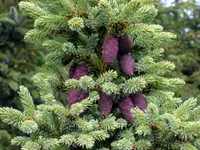
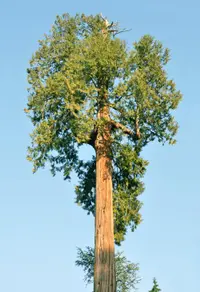
It usually forms a narrow, spire-like crown and bears small, egg-shaped cones, about 3/4–1 1/4 inches (2–3 cm) long, that often persist on the branches.

Picea mariana Identification

Check Your Plant with Botan

Take a photo and use Botan to confirm your plant identification.

Clear images work best. Avoid photos taken too close or too far away

Check the tree’s overall form, needles, twigs, and cones.

  • Usually a narrow, spire-like evergreen with a slender crown and short, often drooping lower branches.
  • Needles are single, stiff, and short, about 1/4 to 3/4 inch (6-18 mm) long, attached all around the twig.
  • Twigs often look rough from tiny woody pegs left after needles drop.
  • Cones are small, egg-shaped to rounded, about 3/4 to 1 1/4 inches (2-3 cm) long, and often remain on branches.

Persistent small cones are one of the easiest visible clues.

Picea mariana shows clear age-related changes in form, branching, and cone production.

  • Seedling: Seedlings are narrow and upright, with a single soft stem and short, crowded needles that make the plant look sparse and delicate.
  • Young plant: Young plants develop dense, short branches close to the stem, creating a narrow spire; needles become stiffer and more evenly radial around twigs.
  • Mature plant: Mature trees are usually 20-40 feet (6-12 m) tall, with a thin trunk, narrow crown, drooping lower branches, and a distinct tufted top.
  • Fruiting stage: Cone-bearing plants show many small, rounded cones clustered on upper branches; older cones often persist, giving branch tips a rougher, dotted appearance.

Picea mariana stays needled year-round, so seasonal color change is limited. The clearest clue is the cone crop: small, rounded cones become easy to spot from late summer into winter, often persisting on upper branches. In winter, the narrow crown and short, dense twigs stand out clearly against the dark evergreen foliage.

Several northern conifers can be mistaken for Picea mariana.

white spruce(Picea glauca)

Often confused because both are narrow, spire-shaped spruces with short needles. White spruce usually has longer cones, about 1 to 2 inches (2.5 to 5 cm), and twigs that are mostly hairless; black spruce has smaller cones, often under 1 inch (2.5 cm), and finely hairy twigs.

red spruce(Picea rubens)

Similar in overall form and needle arrangement. Red spruce usually has shiny reddish-brown twigs and larger cones, often 1.25 to 2 inches (3 to 5 cm); black spruce more often shows smaller cones and denser, shorter branchlets.

Picea mariana is native across northern North America, from Alaska and Canada south into the northern United States, especially around the Great Lakes and the Northeast. It is strongly associated with boreal forest, peatlands, bogs, muskeg, and cold, wet lowlands, though it also appears on upland flats and burned ground. That setting helps narrow identification, since black spruce is one of the few spruces regularly found in acidic wetlands and far-northern conifer swamps.

Confirm the Species with Botan

Upload a photo to help identify or verify the plant, which is useful when similar species are easy to confuse.

FAQ

The clearest clue is its small, egg-shaped cones, usually 1 to 1.25 inches (2.5 to 3 cm) long, which often persist on upper branches for years. Short, stiff needles and a narrow crown support Black Spruce identification.

More Plant Identification Guides

Identify First. Learn What Comes Next.

Use Botan to identify a plant from a photo, then get species-specific care information, safety notes, and common problems.

Botan app identifying a plant from a photo
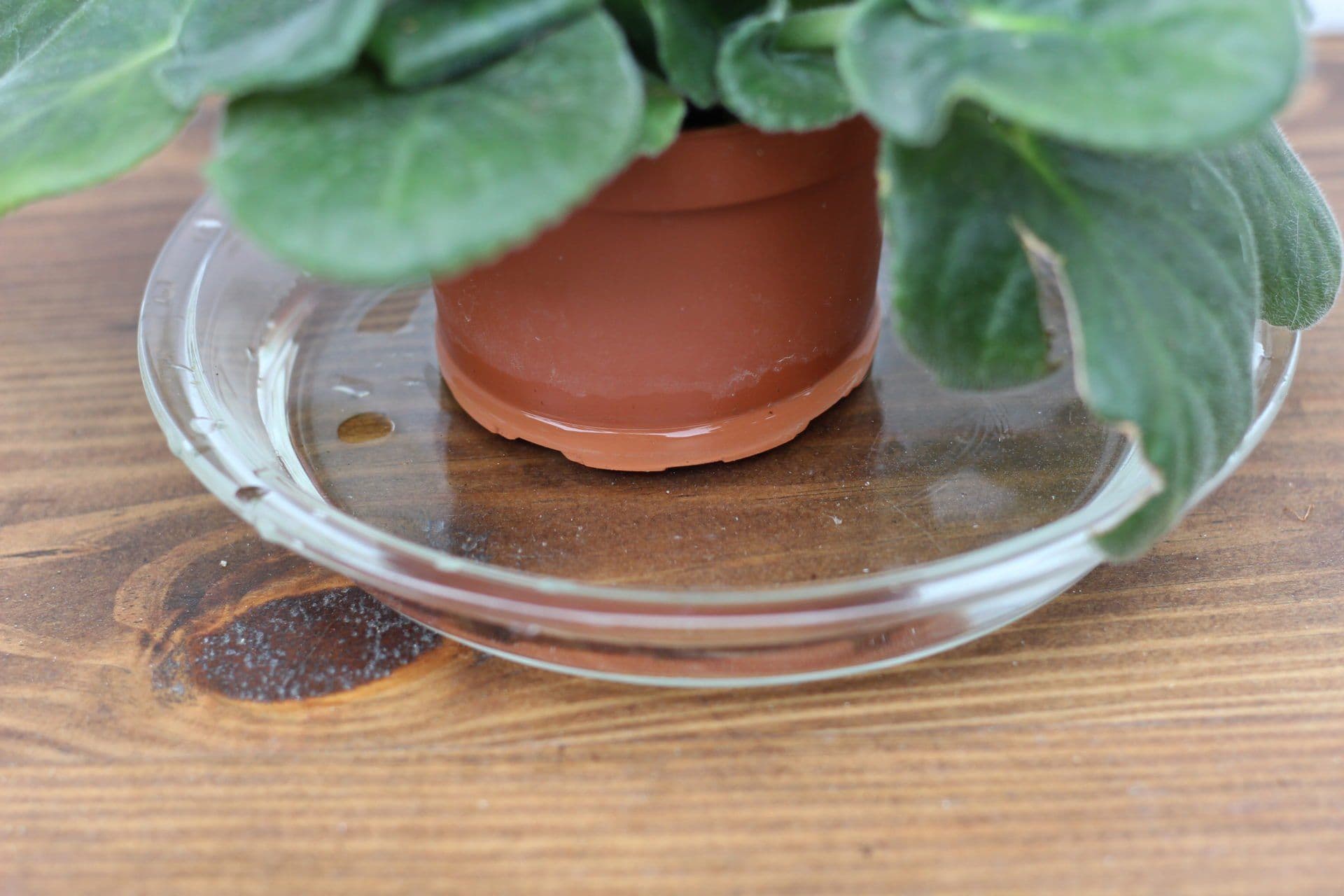
How to Bottom Water Plants: Complete Guide

6 min read · 13 Jul 2026

How to Bottom Water Plants: Complete Guide

Bottom watering helps soil absorb moisture evenly and keeps foliage dry, reducing the risk of missed dry spots or root problems. Place the pot in a tray of water for a short time, then let it drain well.

Plant Care
How to Bottom Water Plants: Complete Guide
Best Fertilizer for Grass in Summer: How to Choose the Right One

6 min read · 18 Aug 2026

Best Fertilizer for Grass in Summer: How to Choose the Right One

The right fertilizer in summer can make a lawn thrive. The wrong one can damage it. Here, you’ll learn the best NPK ratios by grass type, when and how to apply your formula, and how to recognize the signs of over- or under-fertilizing.

Plant Care
Best Fertilizer for Grass in Summer: How to Choose the Right One
How Long Can Flowers Go Without Water? Everything You Need to Know

6 min read · 10 Jul 2026

How Long Can Flowers Go Without Water? Everything You Need to Know

Flowers can survive without water anywhere from 1-2 hours to several months, depending on the plant type, species, and growing conditions. Some strong-looking flowers are drought-sensitive, while delicate-looking plants may tolerate long dry periods surprisingly well.

Plant Care
How Long Can Flowers Go Without Water? Everything You Need to Know