
Scarletina Bolete Identification (Neoboletus luridiformis)

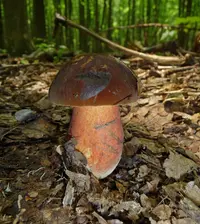
Recognize Neoboletus luridiformis by its red to orange-red pore surface under the cap, a stout yellow stem densely covered with fine red dots, and flesh that bruises deep blue almost at once when cut or pressed.

The cap is usually 2 to 8 inches (5 to 20 cm) wide, with pores replacing gills.

Neoboletus luridiformis Identification

Scan to Confirm Scarletina Bolete

Upload a plant photo and check the identification in seconds.

Clear images work best. Avoid photos taken too close or too far away

Check the cap, pore surface, and stem pattern first.

  • Cap is broadly convex to almost flat, often 2-8 inches (5-20 cm) across.
  • Underside has pores, not gills; pores are bright red to orange-red and densely packed.
  • Stem is thick and club-shaped to cylindrical, yellow with many small red dots rather than a netted pattern.
  • Flesh looks yellow in cut or damaged spots and quickly stains deep blue.

A clear view of the red pores and dotted yellow stem is especially useful.

This bolete shows clear visual changes as the fruiting body expands and ages.

  • Young plant: Very young Neoboletus luridiformis appears button-like, with a rounded cap margin tucked inward and a short, thick stem that makes the whole mushroom look compact.
  • Fruiting stage: As it expands, the cap becomes broader and more cushion-shaped, often reaching 2-8 inches (5-20 cm), while the pore surface is exposed beneath.
  • Mature plant: Older specimens flatten noticeably, the pores look wider and darker, and the stem surface pattern is less crisp as the fruiting body loses its tight proportions.

A few red-pored boletes are regularly confused with Scarletina Bolete.

lurid bolete(Suillellus luridus)

Both bruise blue and have orange to red pores. Suillellus luridus usually shows a clear netlike pattern on the upper stem, while Neoboletus luridiformis is typically dotted rather than netted.

bitter beech bolete(Caloboletus calopus)

It can share a pale cap, yellow pores that redden with age, and a red-toned stem. The stem is strongly netted, not dotted, and the cap is often much paler overall.

deceiving bolete(Suillellus queletii)

This species also has red pores and blue bruising. It is usually more slender, and the stem lacks the dense red dotting typical of Neoboletus luridiformis.

Neoboletus luridiformis is native across much of Europe and also occurs in parts of temperate Asia. It is most often found in broadleaf or mixed woodland, especially with beech and oak, and sometimes with conifers. For identification, habitat is useful because this bolete is typically a forest species rather than a grassland or wetland mushroom. Finding it on the ground in established woodland helps narrow the match, especially in acidic to neutral forest settings.

  • Misidentification risk: This bolete is a mushroom, so correct identification matters. Confusing it with red-pored toxic boletes can lead to human ingestion risk.
  • Key look-alike warning: A serious comparison is Boletus satanas, a poisonous species for humans. It usually has a very pale cap and a strongly swollen stem with a red network pattern, unlike the darker cap and dotted stem of Neoboletus luridiformis.

Confirm It from a Photo

Use Botan to identify or double-check it from a photo when you want a faster, more confident match.

FAQ

The quickest field mark is the strong blue bruising on the yellow pore surface and flesh, combined with a dark brown cap and a stout stem covered in red dots rather than a net-like pattern.

More Plant Identification Guides

Find the Plant. Get the Details.

Identify it from a photo with Botan, then see plant details, care information, and common problems for that species.

Botan app identifying a plant from a photo
How to Clean Plant Leaves: A Simple Care Guide

6 min read · 4 Aug 2026

How to Clean Plant Leaves: A Simple Care Guide

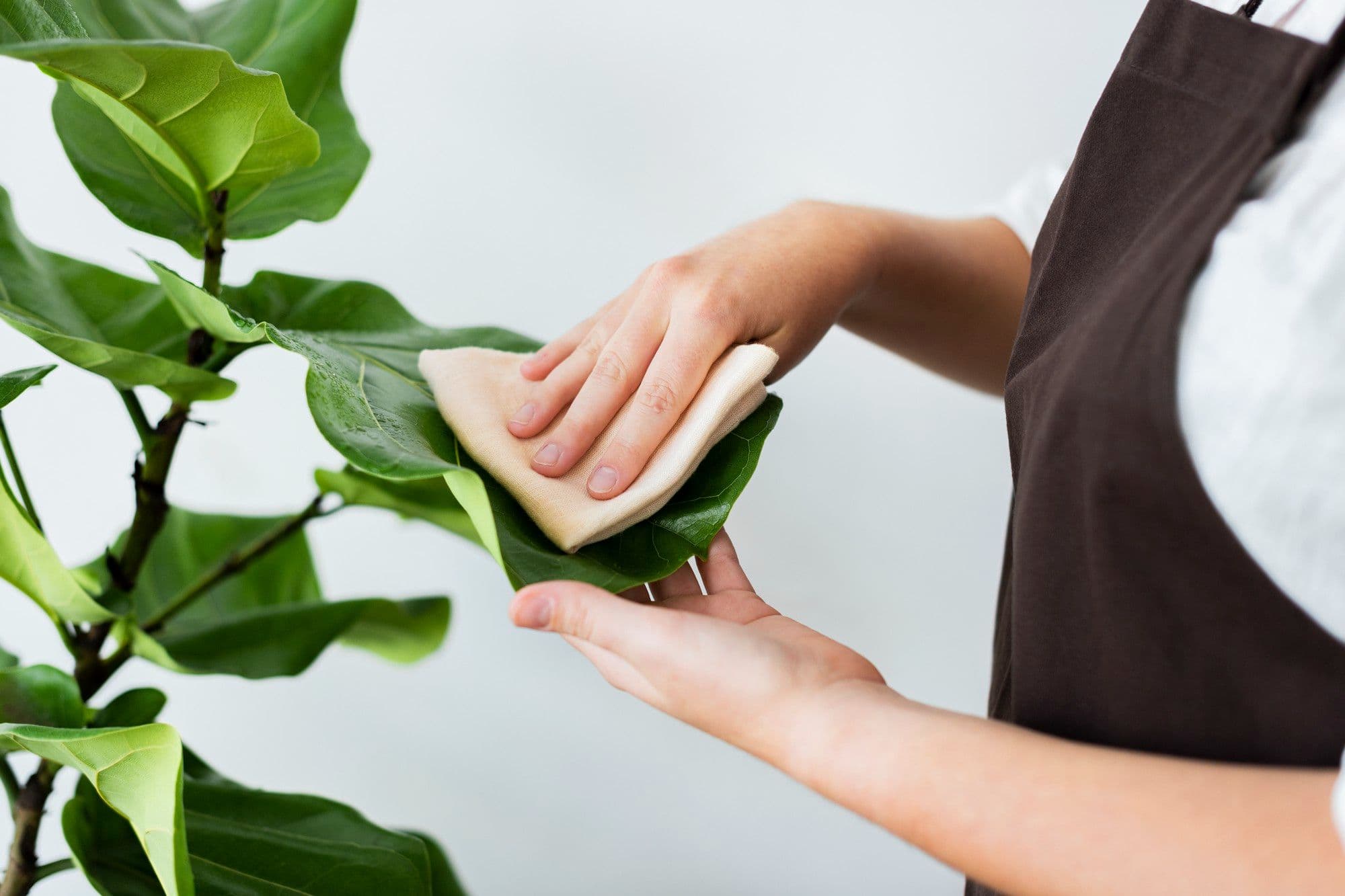
Dusty leaves look dull and don't absorb light well. Below, you'll find simple ways to clean them, which tools are truly effective, how often you should do it, and what causes damage.

Beginner Guides
How to Clean Plant Leaves: A Simple Care Guide
Is Sugar Water Good for Plants?

4 min read · 14 Sept 2026

Is Sugar Water Good for Plants?

Sugar water may sound like an easy boost, but most rooted plants do not need extra sucrose. This guide explains how green tissues produce carbohydrates, when a sweetened solution can be useful, and why too much can cause problems.

Plant Care
Is Sugar Water Good for Plants?
How to Tell if a Plant Is Dead

6 min read · 19 Aug 2026

How to Tell if a Plant Is Dead

A plant can lose its leaves, stop growing, or collapse and still remain alive. A closer look at the stems, roots, bulbs, and tubers can show whether the plant still has a chance to recover.

Beginner Guides
How to Tell if a Plant Is Dead