6 min read · 19 Aug 2026
How to Tell if a Plant Is Dead
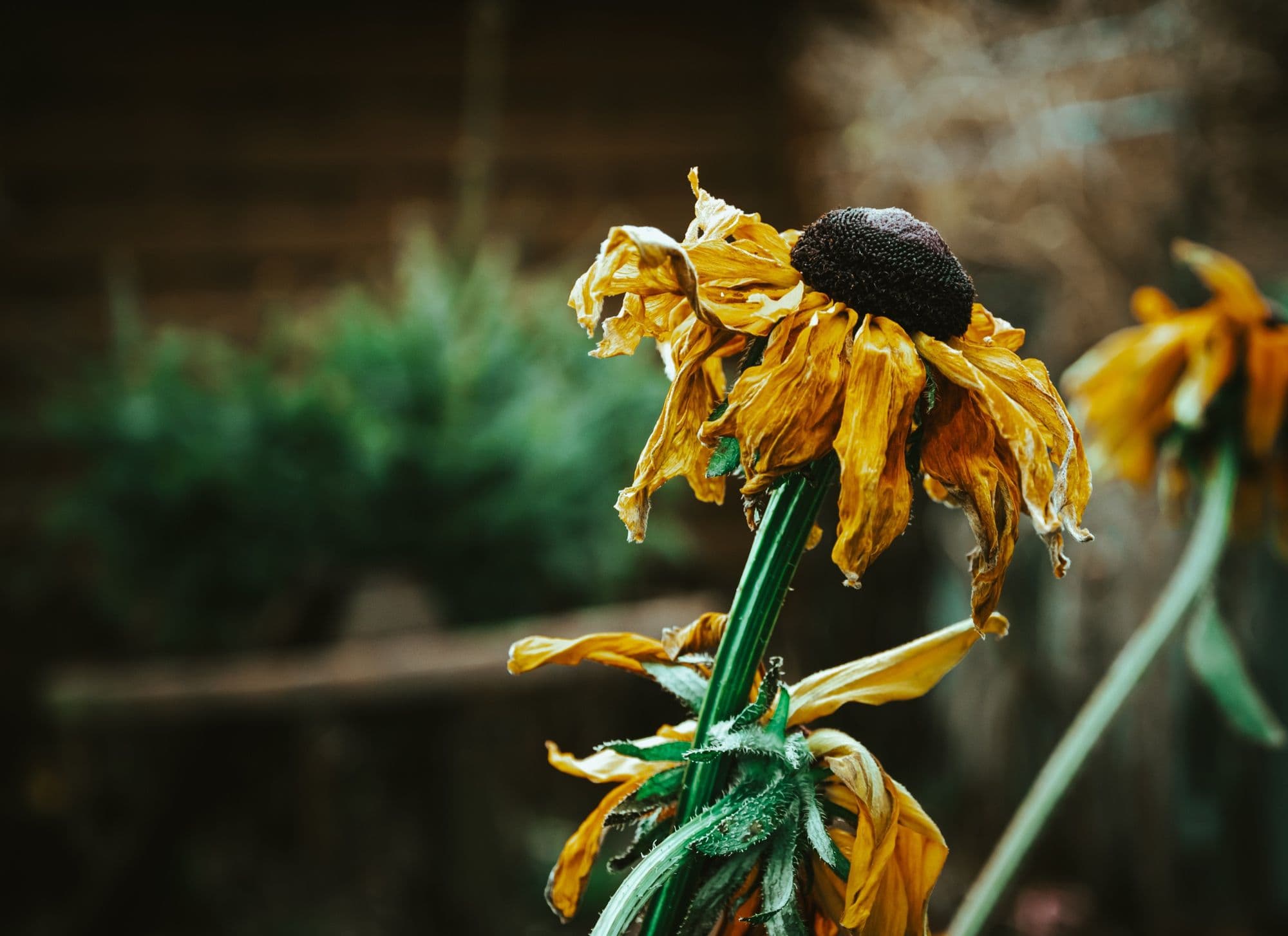
A plant can lose its leaves, stop growing, or collapse and still remain alive. A closer look at the stems, roots, bulbs, and tubers can show whether the plant still has a chance to recover.
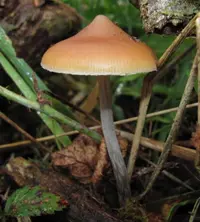
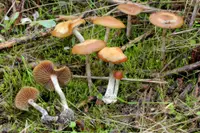
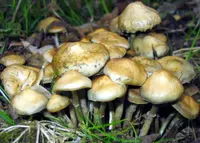
Recognize Psilocybe azurescens by its broad caramel-brown cap with a distinct pointed umbo, a slender white stem, and strong blue bruising on the stem and cap margin.
Caps often reach 1 to 4 inches (3 to 10 cm) wide and grow in dense clustered groups rather than singly.

Upload a clear photo to check your plant identification with Botan.
Clear images work best. Avoid photos taken too close or too far away
Use a few visible traits together for a quick check.
Check several features at once, not just cap shape.
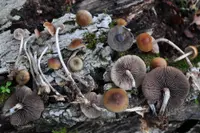
Psilocybe azurescens shows clear visual changes from pin formation to fully expanded mushrooms.
Psilocybe azurescens is most likely to be seen fruiting in fall, often from late September into December. That is when the caramel to chestnut-brown caps, pale stems, and dense clusters become visible and useful for identification. Outside the fruiting season, the mushroom is usually not visible above ground. In winter after fruiting, caps darken, collapse, and decay, leaving little to identify in the field.
Several wood-loving mushrooms can be mistaken for Psilocybe azurescens.
wavy cap(Psilocybe cyanescens)
Often confused because both have caramel to chestnut caps and bruise blue. P. cyanescens is usually smaller, with a strongly wavy cap margin at maturity; P. azurescens is more robust and often has a broader, flatter cap.
flying saucer mushroom(Psilocybe ovoideocystidiata)
Similar in color and blue bruising, especially when young. P. ovoideocystidiata usually has a smoother, less wavy cap edge and a thicker, more egg-shaped young cap; P. azurescens more often shows a flatter cap with a broader spread.
Psilocybe azurescens is native to a narrow stretch of the Pacific Coast in the northwestern United States, especially coastal Washington and Oregon. That range matters for identification because confirmed wild finds are strongly tied to this region. It typically grows in coastal dune grasses, sandy soils, and wood-rich debris such as driftwood or chipped landscaping near the shore. Finding a similar mushroom far inland or outside this coastal habitat makes identification less certain.

What Plant Is This?
Find out what plant you have and get specific care tips
Botan can compare a photo and help confirm the identification, which is useful when similar species look alike.
The most reliable field mark is strong blue bruising on the cap, stem, and gills when handled, combined with a caramel-brown cap and a persistent ring zone on the stem in many mature specimens.
Use Botan to identify it from a photo, then get plant details, safety notes, and common problems for that species.


6 min read · 19 Aug 2026
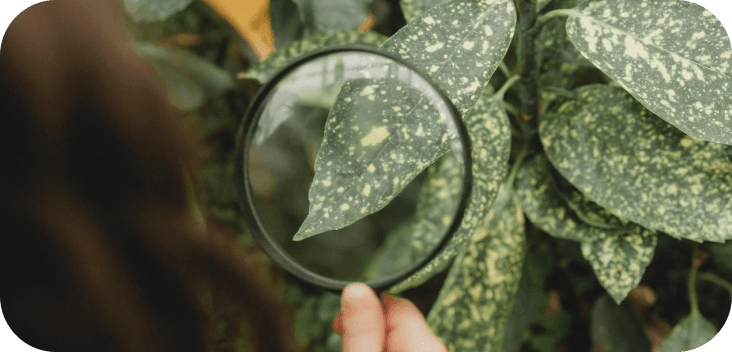
A plant can lose its leaves, stop growing, or collapse and still remain alive. A closer look at the stems, roots, bulbs, and tubers can show whether the plant still has a chance to recover.

6 min read · 15 Sept 2026
Plants can grow under artificial light when the setup provides a suitable spectrum, enough intensity, and sufficient daily exposure. This guide explains how artificial lighting compares with sunlight, which options work indoors, and how to match a setup to houseplants.

5 min read · 4 Sept 2026
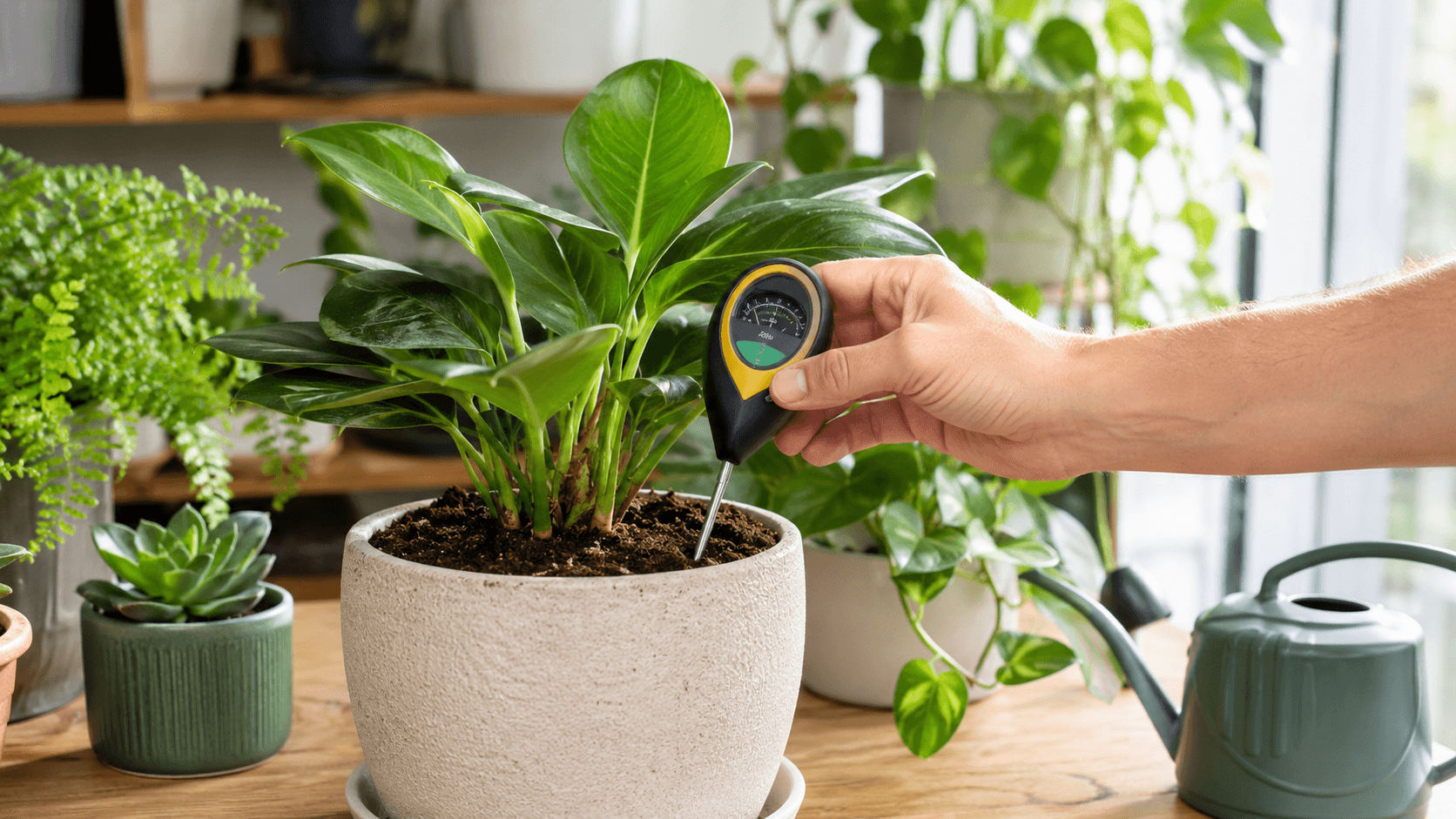
Watering by feel kills plenty of houseplants. A moisture meter checks the soil for you, and takes the guesswork out of it. This guide will show you how to use it correctly, from the first touch to the final reading.