Psilocybe azurescens Care

Psilocybe azurescens

About Psilocybe azurescens

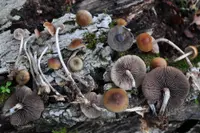
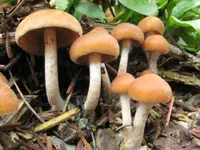
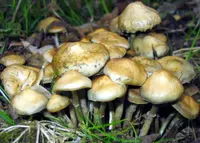
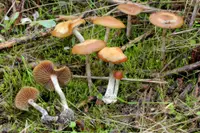
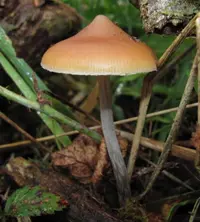
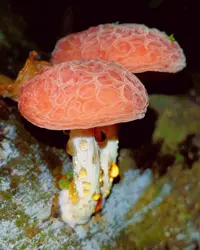
Psilocybe azurescens is a wood-loving mushroom-forming fungus, not a typical leafy houseplant. It produces caramel to chestnut-brown caps with pale wavy edges and slender, fibrous stems, usually in dense clusters.

This species is native to coastal regions of the Pacific Northwest, especially dune grass and woody debris zones near the ocean. It is considered challenging to cultivate because it requires cool conditions, stable moisture, and abundant lignin-rich woody material.

For those researching how to care for Psilocybe azurescens, it is important to note that it is highly specialized, strongly seasonal, and generally better suited to experienced outdoor mushroom growers than to beginners or standard indoor setups.

Main Plant Requirements

Care Difficulty

Hard Care

Light Preference

Partial Shade

Water Requirements

Keep Soil Moist

Temperature Preference

Cool Climate

Hardiness Zone

8–9

Soil Texture

Loamy, Sandy, Organic-rich

Soil pH

Acidic (5.5–6.5)

Soil Drainage

Moist but well-drained

Fertilization

Minimal (feed rarely)

Get Personalized Care Plan

Scan your plant to receive care tips personalized for your specific plant

Available on iOS and Android

How to Care for the Psilocybe azurescens

This wood-loving fungus is adapted to cool, bright, coastal-type light rather than intense inland sun.

  • Provide dappled or filtered light with 2–4 hours of gentle morning sun and shade during harsh afternoon sun to protect the mycelium in the substrate.
  • Site beds under deciduous shrubs, small trees, or shade cloth where it receives bright ambient light but the surface does not bake or crack.
  • In summer, increase shading if the bed dries and crusts quickly; in darker seasons, slightly thin overhead cover to maintain bright, indirect light for Psilocybe azurescens.

Moist, well-aerated substrate is essential, but standing water rapidly damages the mycelium network.

  • Use a loose, woodchip-based bed over free-draining soil so excess water runs off rather than pooling around the colonized chips.
  • Irrigate when the top 2–4 cm of the chip layer feels slightly dry, using a gentle shower or soaker hose to moisten through without saturating into mud.
  • Reduce watering frequency in cool, wet seasons and watch for anaerobic, sour smells (overwatering) or light, brittle chips and shrinking mycelium (underwatering) in Psilocybe azurescens beds.

This species prefers cool conditions and relies on seasonal temperature shifts to form fruiting bodies.

  • Aim for general growth in mild conditions around 50–68°F (10–20°C), which support steady mycelium colonization of wood-based substrates.
  • Protect colonized beds from hard frost; short dips near 28–32°F (-2–0°C) are often tolerated if the substrate is thick and insulated with mulch.
  • Avoid prolonged heat above 77–80°F (25–27°C), which can stress or kill mycelium; in hot summers, use deeper mulch and extra shade to moderate substrate temperature swings.

This species needs consistently high humidity to form and maintain healthy fruiting bodies.

  • Aim for 85–95% humidity during colonization and pinning, dropping slightly to 80–90% during maturation.
  • Dry air leads to shriveled pins, cracked caps, and stalled growth in Psilocybe azurescens beds.
  • Use humid chambers, frequent fine misting, and moist breathable coverings to boost local humidity without leaving surfaces waterlogged.

This fungus thrives in loose, moist, woody substrates rather than typical garden soil.

  • Use a coarse mix of hardwood chips, shredded woody debris, and a small amount of compost to supply both structure and nutrients.
  • Aim for a well-aerated substrate that drains freely yet holds steady moisture, avoiding compacted or clay-heavy ground.
  • Maintain a slightly acidic to neutral environment, roughly pH 6.0–7.0, which supports stable mycelial activity.
  • Layer fresh wood chips over colonized substrate to improve aeration, buffer moisture, and reduce the risk of anaerobic, sour patches.

This species can be grown in large outdoor containers, but performance is usually better in in-ground beds.

  • Choose deep, wide, rigid containers that hold a thick woodchip layer while resisting warping from constant moisture.
  • Elevate the container slightly on bricks so the drainage holes never sit in pooled water after rain.
  • Use opaque or thick-walled tubs to protect the substrate from rapid side heating and drying in sun or wind.

This wood-loving fungus gains most nutrition from its substrate, so direct fertilizing of Psilocybe azurescens is minimal and substrate-focused.

  • Use a well-aged hardwood chip or sawdust mix, optionally enriched with light compost, as the primary nutrient source.
  • Avoid strong synthetic fertilizers; if used, apply a very dilute balanced NPK (about 1/4 strength) to the substrate only, never to fruiting bodies.
  • Refresh or top up nutrient-rich wood substrate once per year during active colonization rather than feeding frequently.
  • Do not add nutrients during cold dormancy; keep the bed slightly moist and resume any enrichment only when growth restarts.

This species does not require true pruning; only minor hygiene work is relevant around fruiting areas of Psilocybe azurescens.

  • Best timing for cleanup is after a flush, when fruiting has finished and surfaces are easy to inspect.
  • Remove decayed mushrooms, obviously contaminated material, and dense surface debris that traps excess moisture.
  • Use clean scissors or a sharp knife to cut spent mushrooms at the base rather than pulling, which disturbs the substrate.
  • Lightly tidy overcrowded organic cover such as thick leaves to maintain airflow and reduce mold development.

Cultivation usually relies on outdoor beds rather than traditional pots, so transplanting substrate blocks is more relevant than repotting.

  • Transplant when colonized substrate outgrows a container, dries too quickly, or shows restricted side growth.
  • Best season is mid to late spring, moving fully colonized blocks into a shaded, cool outdoor wood-chip bed.
  • Typical practice is a single permanent move from jars or tubs into a ground bed, not repeated transplanting.
  • Minimize stress by moving intact colonized blocks, keeping them moist, shaded, and in close contact with fresh hardwood chips.

Propagation focuses on expanding colonized substrate rather than producing new individual plants, using simple mushroom culture techniques.

  • Most growers expand from colonized grain or wood spawn into fresh hardwood chips or sawdust blocks.
  • Late spring to early fall offers suitable temperatures for fast colonization and low contamination pressure.
  • Maintain high humidity, cool temperatures, and very clean tools and containers to support reliable substrate colonization.
  • To grow Psilocybe azurescens successfully, avoid direct sun, keep substrates evenly moist, and ensure plenty of fresh air exchange.

Outdoor beds generally tolerate cool, damp conditions, but strong freezing can slow or damage surface growth of this fungus.

  • In cold regions, apply a 5–8 cm layer of loose mulch such as leaves or straw over colonized beds before hard frosts.
  • Use breathable covers to insulate against repeating freeze–thaw cycles that can dry or crack the substrate surface.
  • Container-based cultures can be moved into an unheated but frost-free shed or garage for winter, with slightly reduced watering.

Care Tips

Prepare hardwood bed

Establish an outdoor bed with layered hardwood chips and small sticks in partial shade a few months before introducing spawn so the substrate begins to decompose and support vigorous colonization.

Use spawn bridges

When expanding a patch, bury handfuls of fully colonized wood chips every 20–30 cm through the new bed to act as bridges that help mycelium spread faster and more evenly.

Protect from trampling

Install a low barrier or discrete edging around the bed to prevent foot traffic and soil compaction, which can crush the mycelium and reduce fruiting for several seasons.

Seasonal moisture check

In late summer and early fall, scrape back a small area of mulch to confirm that the inner wood chip layer remains cool and slightly damp, adjusting irrigation or added mulch if it is hot or dry.

Encourage steady airflow

Site the bed where there is gentle, regular air movement but no strong wind tunnels, since stable airflow lowers the risk of bacterial issues while still keeping the microclimate humid when caring for Psilocybe azurescens.

Common Pests and Diseases

Green mold (Trichoderma)

This disease appears as dense, bright to dark green patches that quickly overgrow mycelium and fruiting areas on wood-based substrates.

Solution

Remove and discard heavily contaminated substrate, tools, or containers, then restart with fresh, pasteurized wood chips and clean equipment; improve airflow and avoid overly wet, compacted beds to reduce conditions that favor Trichoderma growth, following general Psilocybe azurescens care instructions for moisture and hygiene control.

Cobweb mold

This disease shows as very fine, gray to pale-brown, spiderweb-like growth that spreads rapidly across casing or substrate, often confusing growers because it can resemble weak mycelium at first.

Solution

Increase fresh air exchange and slightly lower humidity, then spot-treat early patches with a light mist of 3% hydrogen peroxide diluted 1:1 with clean water; discard severely affected sections of substrate and avoid stagnant, still air around outdoor or indoor fruiting areas.

Bacterial blotch

This disease causes slimy, wet-looking, yellow to brown spots on developing mushrooms, often starting where water droplets sit on the cap surface for extended periods.

Solution

Reduce direct misting on caps, water the substrate instead, and improve airflow so surfaces dry within a few hours; remove and discard affected mushrooms, sanitize tools, and avoid overcrowded, poorly ventilated fruiting zones.

Sciarid fungus gnats

These insects are small, dark flies whose larvae feed in the moist substrate, disturbing mycelium and increasing the risk of secondary infections.

Solution

Use fine mesh or insect netting around cultivation areas, allow the top layer of substrate to approach the drier side of the recommended range between waterings, and apply yellow sticky traps to capture adults; in persistent cases, introduce biological controls such as Bacillus thuringiensis israelensis (Bti) according to label directions on non-edible substrates only.

Springtails

These insects are tiny, pale to dark arthropods that hop when disturbed and thrive in constantly damp substrates, feeding mainly on decaying matter but sometimes stressing delicate mycelial surfaces when populations are high.

Solution

Lower constant surface moisture by adjusting watering frequency, increase drainage and airflow, and physically remove dense colonies by scraping back the top layer of substrate; if necessary, temporarily reduce mulch thickness so the upper zone can dry slightly between irrigations without allowing the underlying mycelium to desiccate.

Interesting Facts

Exceptionally high potency

This species is among the most psilocybin-rich mushrooms known, with consistently high levels of psychoactive tryptamines documented in chemical analyses compared to many other Psilocybe species.

Coastal dune specialist

It naturally inhabits sandy coastal dune ecosystems of the Pacific Northwest, often fruiting in grass-driftwood zones where woody debris and dune grasses create a cool, moist microhabitat.

Strong bluing reaction

When damaged or bruised, the fruiting bodies show a pronounced blue staining, a visible oxidation reaction of psilocin that is often especially intense in this species.

Botan icon

Did you know?

This fungus was only formally described by mycologist Paul Stamets and Jochen Gartz in 1995 from collections near the Columbia River estuary in Oregon, making it a relatively recent addition to the scientifically recognized Psilocybe diversity.

FAQs about Psilocybe azurescens

Yes. This species contains psychoactive compounds that affect the central nervous system and is not safe for children, pets, or unintended consumption. Accidental ingestion can cause severe psychological effects and physical distress, so cultivation and access must be tightly controlled.

Grow Healthy Plants with Botan Care

Keep your plants happy and healthy with plant identification, disease detection, and easy care guidance.

Botan plant care app — identify plants on mobile

Explore More Plants