psychedelic ovoid mushroom Care (Psilocybe ovoideocystidiata)

psychedelic ovoid mushroom

About psychedelic ovoid mushroom

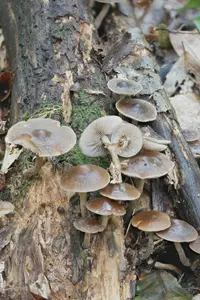
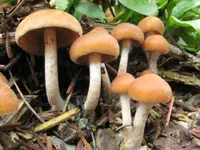
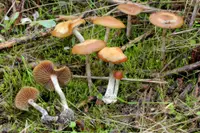
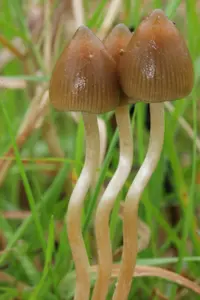
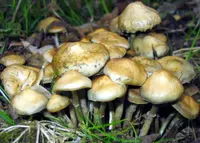
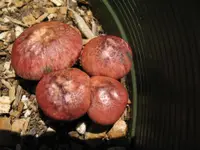
Psilocybe ovoideocystidiata, often called psychedelic ovoid mushroom, is a wood-loving fungus rather than a true plant. It typically forms small to medium brown caps with slender, pale stems, usually growing in clusters on woody debris or rich, damp soils.

This species occurs mainly in eastern North America, especially along river valleys and moist forest edges. It is valued by specialist growers but is not a beginner-friendly organism, as it needs consistently cool, humid, and clean conditions to avoid contamination.

Those who study how to care for psychedelic ovoid mushroom focus on providing shaded conditions, steady moisture, and a lignin-rich substrate such as wood chips or decaying plant material.

Main Plant Requirements

Care Difficulty

Moderate Care

Light Preference

Partial Shade

Water Requirements

Keep Soil Moist

Temperature Preference

Cool Climate

Hardiness Zone

5–9

Soil Texture

Loamy, Silty, Organic-rich

Soil pH

Acidic (5.5–6.5), Slightly acidic (6.5–7.0)

Soil Drainage

Moist but well-drained

Fertilization

Minimal (feed rarely)

Get Personalized Care Plan

Scan your plant to receive care tips personalized for your specific plant

Available on iOS and Android

How to Care for the psychedelic ovoid mushroom

This woodland fungus prefers soft, filtered light rather than direct, intense sun.

  • Provide dappled or filtered light under shrubs or deciduous trees, with about 2–4 hours of gentle morning sun and bright shade for the rest of the day.
  • Avoid strong midday and afternoon sun, which can overheat substrates, dry out wood chips, and reduce fruiting of psychedelic ovoid mushroom patches.
  • In spring and fall, allow slightly more light through thinner canopy; in summer, rely on denser shade or extra leaf litter to protect the mycelium.

Moist but not waterlogged substrate is essential for reliable fruiting and long-term mycelium health.

  • Aim for consistently damp wood chips or leaf litter; the upper 2–3 cm should feel moist to the touch but not soupy or submerged.
  • Increase watering or irrigation during dry, windy, or hot spells, letting water soak through the mulch until it drains freely away from the patch.
  • Reduce added water in cool, rainy seasons, watching for standing water, sour smells, or slimy chips as signs of overwatering and poor aeration.

Stable, cool to mild temperatures support healthy colonization and fruiting of this wood-loving fungus.

  • Maintain colonizing substrate ideally around 55–70°F (13–21°C), with fruiting often strongest near 50–60°F (10–16°C) in moist spring or fall conditions.
  • Tolerate brief drops close to 32°F (0°C), but repeated hard frosts or frozen, waterlogged beds can damage mycelium and delay recovery.
  • Limit exposure above about 80°F (27°C); prolonged heat combined with low moisture can stall growth, so provide thicker mulch or deeper shade in hot summers.

This species needs very high humidity to fruit and remain healthy.

  • Maintain 85–95% humidity during active growth and pinning, using a greenhouse tent, humidity dome, or plastic tub system.
  • Tolerates only brief drops near 70%; prolonged drier air causes shriveled pins, cracked caps, and stalled growth.
  • Increase moisture by frequent fine misting of surfaces and substrate, plus abundant moistened fresh wood chips or cardboard around the psychedelic ovoid mushroom.

This fungus prefers a loose, wood-based substrate rather than typical garden soil.

  • Use a mix of hardwood chips, shredded cardboard, and coarse bark to create a chunky, organic-rich layer with many air gaps.
  • Ensure rapid drainage; excess free water around chips or debris encourages anaerobic zones and bacterial rot in the mycelium.
  • Maintain a slightly acidic reaction, roughly pH 5.5–6.5, by favoring hardwood materials and avoiding lime or wood ash additions.
  • Add a thin top layer of partially decomposed leaf litter to improve moisture retention while still allowing gas exchange through the substrate.

This species can be grown in containers, mainly as outdoor tubs or boxes with ample wood-based substrate.

  • Choose broad, shallow containers so the wood chip layer can spread horizontally and maintain stable moisture without deep soggy pockets.
  • Drill many small side holes above the base to let CO2 escape and fresh air enter without rapidly drying the substrate surface.
  • Use thick plastic or wood containers that buffer temperature swings and keep the chip bed from overheating in direct sun.

This wood-loving fungus usually relies on decaying organic matter and does not need direct fertilization.

Psilocybe ovoideocystidiata does not require pruning for health or productivity.

Transplanting is rarely necessary and mainly applies when this fungus is maintained in controlled beds or containers.

  • Move colonized substrate only when growth slows, containers dry out faster than usual, or mycelium reaches all edges.
  • Plan any transplanting during mild weather in spring or fall to limit temperature shock to the mycelium network.
  • Shift blocks gently into a new bed with similar woody debris and moisture, disturbing the mycelium as little as possible.
  • Water lightly after moving to settle material, then keep evenly moist while avoiding waterlogging to reduce stress and contamination risk.

Psilocybe ovoideocystidiata is typically multiplied by expanding colonized substrate rather than by conventional plant-style propagation.

Outdoor colonies tolerate typical temperate winters and generally need no special winter care.

Care Tips

Woodchip Bed Renewal

Top up outdoor beds annually with fresh, hardwood chips or mixed woody debris to maintain a slowly decomposing food source and to keep the colonized layer from drying and compacting.

Shaded Moist Microclimate

Create a low, stable microclimate by surrounding the patch with low shrubs or perennials and a light leaf mulch so the mycelium is buffered from wind and rapid moisture loss during dry spells.

Gentle Harvest Technique

Twist and lift fruiting bodies at the base rather than pulling chunks of substrate, then lightly press the surrounding chips back in place to reduce damage to the mycelium network and maintain bed structure.

Patch Edge Expansion

In late spring, move a few fully colonized chips from the productive center to the bed margins and cover them with fresh chips so the colony slowly expands instead of exhausting the original zone.

Moisture Monitoring Aids

Use a simple soil moisture meter or press a bare finger 2–3 cm into the substrate after rain or irrigation to decide when to water, which prevents chronic overwatering while still supporting those caring for psychedelic ovoid mushroom outdoors.

Common Pests and Diseases

Cobweb mold

This disease appears as very fine, gray to whitish web-like growth that quickly spreads over the casing or mushroom surfaces and can overrun young pins. Symptoms include rapid, fluffy growth that collapses and sometimes shows small water droplets on the mycelium.

Solution

Immediately isolate or discard heavily infected trays or blocks, as this mold spreads quickly. Improve fresh air exchange, reduce humidity slightly, avoid misting directly onto contaminated areas, and treat remaining surfaces and tools with 70% isopropyl alcohol; some growers also apply a light spray of 3% hydrogen peroxide to affected casing surfaces to slow spread.

Green mold (Trichoderma)

This disease starts as dense, bright white mycelium that soon turns patchy green as spores form, often following substrate stress or contamination. Symptoms include stalled mushroom growth, sour or earthy odor, and clearly defined green patches on the substrate or casing.

Solution

Remove and discard all contaminated substrate, including a margin of apparently healthy material, to prevent spore spread. Clean the growing area thoroughly, improve substrate pasteurization or sterilization procedures, reduce excessive moisture, and ensure good air movement so conditions do not favor Trichoderma regrowth when you next grow Psilocybe ovoideocystidiata.

Mushroom flies

These insects are small dark fungus gnats or sciarid flies whose larvae feed inside the substrate and can tunnel into developing mushrooms. Symptoms include tiny black flies around the grow area, soft or deformed fruit bodies, and visible larvae when the substrate is opened.

Solution

Use fine mesh or insect-proof screens on vents, apply yellow sticky traps near the grow area, and remove spent or contaminated substrate promptly to reduce breeding sites. Allow the upper substrate layer to dry slightly between misting, clean up spilled organic material, and if needed introduce biological controls such as Bacillus thuringiensis israelensis (Bti) in line with mushroom-safe product directions.

Mites

These pests are tiny arthropods that can appear as white, beige, or reddish moving specks on substrate or mushrooms and may feed on mycelium or decaying material. Symptoms include slow colonization, pitted or rough mushroom surfaces, and visible clusters of mites on the substrate edge or container walls.

Solution

Discard severely infested substrates and clean the growing area, shelves, and tools using hot water and detergent followed by disinfection. Store grains and straw in sealed containers, keep the environment clean and dry between cycles, and if necessary introduce predatory mites that target pest mites without harming the crop, following product-specific guidance for psychedelic ovoid mushroom care instructions.

Bacterial blotch

This disease causes greasy, yellow-brown spots or streaks on mushroom caps that may feel slimy when humidity is very high. Symptoms include water-soaked lesions, distorted caps, and a sour or unpleasant smell on severely affected flushes.

Solution

Reduce overhead misting, avoid leaving standing water on caps, and increase fresh air exchange to lower surface moisture. Remove and discard affected mushrooms, sanitize tools and harvesting containers, and keep relative humidity closer to the lower end of the species’ fruiting range while maintaining adequate substrate moisture.

Interesting Facts

Unusual spring fruiting

This species is one of the few psilocybin-containing mushrooms in North America that most often fruits in spring, with peak appearances from late April to early June rather than in fall like many related species.

Floodplain wood-lover

It shows a strong preference for river and stream floodplains, typically growing on woody debris, buried sticks, and wood-chip rich soils along waterways in the eastern and midwestern United States.

Recently recognized species

Although long collected under other names, it was only formally described and named in 2007 after microscopic work clarified its distinctive cystidia (specialized sterile cells on the gills).

Botan icon

Did you know?

Genetic and morphological studies indicate that this species forms part of a distinct North American lineage of wood-inhabiting psilocybin mushrooms, separate from better-known coastal species like Psilocybe cyanescens, highlighting previously underappreciated diversity in riparian habitats.

FAQs about psychedelic ovoid mushroom

This species contains psilocybin, a psychoactive compound. Ingesting it can cause neurological effects, disorientation, vomiting, and potential medical emergencies, especially in children and pets. It should never be eaten casually or treated as a culinary mushroom.

Grow Healthy Plants with Botan Care

Keep your plants happy and healthy with plant identification, disease detection, and easy care guidance.

Botan plant care app — identify plants on mobile

Explore More Plants