Collared Calostoma Care (Calostoma lutescens)

Collared Calostoma

About Collared Calostoma

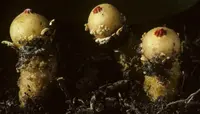
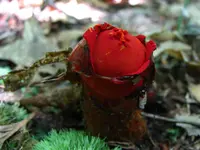
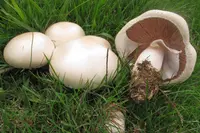
Calostoma lutescens, often called collared calostoma, is not a green plant but a small terrestrial fungus. It produces rounded, yellow to orange fruiting bodies with a distinct collar-like structure near the top. These structures emerge from the forest floor, usually among leaf litter.

This species is typically found in mixed or deciduous woodlands, often in association with tree roots on well-drained, humus-rich soils. It is not commonly cultivated, and attempts to care for Collared Calostoma at home are challenging because it depends on complex relationships with soil and trees. In nature, it favors shaded, moist, but not waterlogged habitats.


Main Plant Requirements

Care Difficulty

Hard Care

Light Preference

Partial Shade

Water Requirements

Keep Soil Moist

Temperature Preference

Warm Climate

Hardiness Zone

Unknown

Soil Texture

Loamy, Silty, Organic-rich

Soil pH

Strongly acidic (4.5–5.5), Acidic (5.5–6.5)

Soil Drainage

Moist but well-drained

Fertilization

Minimal (feed rarely)

Get Personalized Care Plan

Scan your plant to receive care tips personalized for your specific plant

Available on iOS and Android

How to Care for the Collared Calostoma

This woodland fungus prefers low to moderate light rather than direct, open sun.

  • Provide bright dappled shade or filtered light, such as under deciduous trees, with only 1–2 hours of gentle morning sun if any direct exposure occurs.
  • Avoid strong midday or afternoon sun, which can overheat the leaf litter and dry the substrate, reducing fruiting of Collared Calostoma.
  • In summer, thicker canopy shade is beneficial, while in early spring or late fall slightly more ambient light is acceptable as long as conditions stay cool and moist.

This species relies on consistently moist, not waterlogged, forest soil to fruit reliably.

  • Aim for evenly moist leaf litter and topsoil; if the upper 2–3 cm feel dry and crumbly, recent rainfall or supplemental moisture is needed.
  • In wet seasons, focus on drainage so water does not pool for more than 24 hours, which can cause anaerobic, foul-smelling patches and reduce Calostoma lutescens activity.
  • During hotter, drier periods, watch for shrinking, brittle leaf litter and receding fungal fruiting bodies as cues to increase moisture through gentle, diffuse watering or mulch retention.

This fungus is adapted to mild, temperate woodland conditions rather than temperature extremes.

  • Optimal fruiting usually occurs around 60–75°F (16–24°C), where soil stays cool and moist under leaf litter through most of the day.
  • It tolerates cooler spells down to about 40°F (4°C), but hard frost or prolonged freezing can halt visible growth and damage exposed fruiting bodies.
  • In hot periods above 80–85°F (27–29°C), canopy shade, organic mulch, and steady moisture help buffer soil temperatures and prevent desiccation of developing structures.

Humidity plays little role in this largely soil- and microbe-dependent fungus, so active humidity management is usually unnecessary.

This mycorrhizal fungus relies on specific woodland soil conditions rather than a standard horticultural potting mix.

  • Calostoma lutescens is typically associated with acidic, sandy to loamy forest soils rich in decaying leaf litter and fine roots.
  • Aim for a loose, well-drained mineral soil layer over organic matter, which mimics natural forest horizons and prevents waterlogging around host roots.
  • Maintain pH roughly 4.5–6.0, avoiding liming or alkaline amendments that can alter fungal and root community structure.
  • Do not use dense, peat-only or clay-heavy substrates, as poor aeration and slow drainage reduce suitable habitat for its mycelium and host plants.

This species is not realistically suitable for container growing because its life cycle depends on complex interactions with host tree roots and native soil fungi.

This mycorrhizal fungus depends on its tree partners for nutrients, so Collared Calostoma usually needs no supplemental fertilization in natural or woodland-style plantings.

Calostoma lutescens requires no true pruning because it is a small, short-lived fungus rather than a leafy garden plant.

Transplanting Calostoma lutescens is rarely successful because it relies on specific mycorrhizal relationships with host tree roots and local soil fungi.

  • Avoid disturbing established colonies; focus on conserving the surrounding woodland habitat instead.
  • If grown experimentally in containers, disturb the substrate as little as possible and never tease out individual fruiting bodies.
  • Any move should occur during natural dormancy after spores are released, keeping the original soil intact.
  • Minimize temperature and moisture swings after relocation to reduce stress on the hidden mycelium network.

Propagation of Calostoma lutescens is specialized and typically left to natural spore dispersal and professional mycology projects.

This woodland fungus is naturally cold hardy in its native range and usually requires no dedicated winter care when left in situ.

Care Tips

Seasonal host planning

Identify and mark likely ectomycorrhizal host trees (such as oaks and pines) during the growing season, so you can return to the same root zones in late summer to fall when fruiting bodies of Calostoma lutescens are most likely to appear.

Minimal disturbance zones

Once a fruiting patch is found, avoid raking, digging, or compacting the soil in a 1–2 m radius so the underground mycelium and tree roots remain undisturbed and can continue producing sporocarps in future years.

Targeted leaf-litter management

Leave a thin, natural layer of leaf litter in the known fruiting area but gently remove heavy, matted debris right before peak season so emerging fruiting bodies can push through without being crushed or smothered.

Microclimate moisture checks

During extended dry spells, check soil moisture 3–5 cm down near host tree drip lines and, if allowed, apply a very gentle, infrequent soak to that broader area rather than directly onto visible fungi, to support the mycorrhizal association without waterlogging the site.

Photo and GPS records

Document fruiting locations with photos, notes on nearby tree species, and GPS pins so patterns become clear over several years, which helps refine site choice and timing when caring for Collared Calostoma in managed woodland or restoration settings.

Common Pests and Diseases

Fungal fruitbody collapse

Symptoms include rapid softening, collapse, and decay of the fruiting body, often in overly wet, stagnant conditions. This disease reflects opportunistic fungi and bacteria colonizing stressed or aging tissue.

Solution

Remove and discard collapsed or visibly decomposing fruitbodies, and avoid disturbing the surrounding forest floor excessively. Maintain natural leaf litter cover and good air movement around the site, and avoid adding extra water or organic amendments that keep the area constantly saturated to support more stable Collared Calostoma care instructions.

Saprobic fly larvae

This pest uses the spore sac and gelatinous outer layers as a food source, leading to tunneling, deformation, and premature collapse of the fruiting body. This pest pressure is more common in very warm, humid forest conditions with abundant decaying litter.

Solution

Cut and remove heavily infested fruitbodies and dispose of them away from the colony to reduce local fly populations. Limit disturbance of surrounding decomposing wood and litter that attracts adult flies, and avoid adding food scraps or man-made compost near the natural fruiting area.

Slugs and snails

These insects and mollusks graze on the outer layers of the fruiting body, leaving ragged bite marks, surface scarring, and sometimes complete removal of young structures. Damage is most visible after rainy periods or in dense, shaded leaf litter where moisture remains high.

Solution

Hand-remove slugs and snails during cool, damp periods and relocate them away from the area. If protection is desired, create physical barriers using coarse grit, rough stones, or copper tape around small observation plots, avoiding salt or harsh chemicals that damage the broader forest floor ecology.

Mite infestation

This pest consists of tiny arthropods that feed on spores and surface tissues, sometimes causing pitted, roughened textures and irregular opening of the spore sac. Infestations usually appear on older or already stressed fruiting bodies.

Solution

Remove and discard fruitbodies with heavy mite activity to interrupt their life cycle. For small observation patches, gently brush the surface with a soft, dry brush to dislodge mites and avoid adding excess moisture that favors both mites and secondary molds.

Interesting Facts

Bright yellow gelatinous coat

Young fruiting bodies are surrounded by a striking yellow, jelly-like layer that protects developing tissues and slowly dissolves as the fungus matures and expands.

Distinctive collared spore case

The species forms a pale to yellowish spore sac with a raised, ring-like collar at its base, a structural feature that helps distinguish it from other Calostoma species in the field.

Appalachian forest specialist

This fungus is mainly documented in mixed hardwood forests of the southeastern United States, often associated with oak-rich slopes and ridges where ectomycorrhizal tree partners are common.

Botan icon

Did you know?

Calostoma lutescens is considered one of the more rarely encountered members of its genus in North America, and many records come from targeted fungal surveys rather than casual observations, which suggests it may have quite specific habitat and partner requirements.

FAQs about Collared Calostoma

This fungus is not considered a culinary species. It is sometimes described as technically edible when mature but has poor texture and little flavor. Field identification can be difficult, so consumption is not recommended.

Grow Healthy Plants with Botan Care

Keep your plants happy and healthy with plant identification, disease detection, and easy care guidance.

Botan plant care app — identify plants on mobile

Explore More Plants