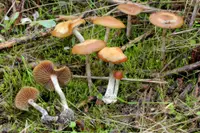
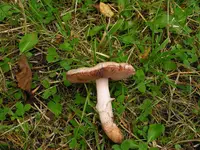
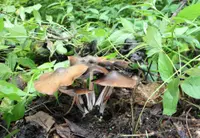
Spring Orange Peel Fungus Care (Caloscypha fulgens)

Spring Orange Peel Fungus

About Spring Orange Peel Fungus

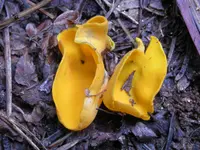
Spring orange peel fungus, Caloscypha fulgens, is a small cup fungus, not a typical leafy plant. It appears as bright orange to yellow cup-shaped fruiting bodies that often show bluish or greenish staining with age.

It usually grows on soil or decaying conifer wood in cool, moist spring forests, especially in northern and montane regions. The species is seasonal and short-lived, which makes it interesting to observe but not easy to cultivate.

Those who want to learn how to care for Spring Orange Peel Fungus should understand that it prefers cool, damp, shaded conditions and undisturbed, humus-rich forest-like substrates.

Main Plant Requirements

Care Difficulty

Hard Care

Light Preference

Partial Shade

Water Requirements

Keep Soil Moist

Temperature Preference

Cold Hardy

Hardiness Zone

Unknown

Soil Texture

Loamy, Silty, Organic-rich

Soil pH

Acidic (5.5–6.5)

Soil Drainage

Moist but well-drained

Fertilization

Minimal (feed rarely)

Get Personalized Care Plan

Scan your plant to receive care tips personalized for your specific plant

Available on iOS and Android

How to Care for the Spring Orange Peel Fungus

Caloscypha fulgens is a spring woodland fungus that prefers cool, filtered light rather than direct sun exposure.

  • Site in dappled or filtered light under deciduous trees, with about 2–4 hours of weak morning sun and shade by midday.
  • Tolerates bright shade and north- or east-facing woodland edges; avoid strong afternoon sun that can dry the substrate and desiccate fruiting bodies.
  • In early spring, light is naturally higher before canopy leaf-out; later in the season, additional shade helps maintain moisture and prolongs Spring Orange Peel Fungus appearance.

This fungus relies on consistently moist, cool soil rather than direct watering of the fruiting bodies.

  • Maintain evenly moist, humus-rich soil; allow only the top 1–2 cm to begin drying before re-wetting the area if conditions are very dry.
  • Ensure excellent drainage with loose leaf litter or conifer duff; standing water or waterlogged soil reduces oxygen and can suppress Caloscypha fulgens.
  • In early spring, natural snowmelt usually provides enough moisture; in prolonged dry spells, use gentle, low-pressure watering, then let excess water drain completely.

This species is adapted to cool spring conditions and fruits best in cold to mildly cool temperatures.

  • Optimal fruiting usually occurs around 40–55°F (4–13°C), often as snow recedes and soil begins to thaw in late winter or early spring.
  • Can tolerate brief drops to around 25°F (-4°C) when dormant or under snow, but exposed fruiting bodies are easily damaged by hard frost below this range.
  • Sustained warmth above about 65°F (18°C), especially combined with dry air and sun, shortens fruiting duration and may halt development until the next cold season.

This spring-fruiting fungus prefers cool, moist forest air and does not require tightly controlled indoor humidity.

  • Target 60–90% humidity, similar to damp woodland, if attempting Spring Orange Peel Fungus indoor care experiments.
  • Dry air below 40% can desiccate developing fruiting bodies, leading to shriveling or cracking surfaces.
  • Increase humidity locally with a covered, ventilated terrarium-style setup rather than misting, which can encourage bacterial growth.

Caloscypha fulgens develops naturally on moist, decaying conifer litter rather than in conventional potting soil.

  • Use a loose, organic-rich substrate made from decomposed conifer needles, fine bark, and coarse wood chips to mimic forest litter.
  • Maintain fast-draining yet consistently moist conditions; water should pass through quickly without leaving the substrate waterlogged.
  • Aim for slightly acidic conditions, roughly pH 5.0–6.5, which supports the fungal association with conifer debris.
  • Improve aeration by mixing in coarse materials like pine bark fines or coarse sand and avoid compacted, clay-heavy mineral soil.

This species is not naturally suited to long-term container growing and is best studied in near-natural microhabitats rather than standard pots.

Caloscypha fulgens, known as Spring Orange Peel Fungus, is a woodland fungus that does not require deliberate fertilization in home or garden settings.

Caloscypha fulgens does not need pruning because the fruiting bodies are short-lived and the organism persists mainly as hidden mycelium in the soil.

This fungus is not suited to typical repotting and is rarely maintained as a container specimen.

  • Transplant only if moving colonized soil, keeping it intact and minimally disturbed.
  • Attempt any move in cool, moist weather that matches its natural spring woodland conditions.
  • Shift soil gently into a new, shaded site with similar tree roots and leaf litter.
  • Water lightly after transplanting to settle soil, then allow natural rainfall to maintain moisture.

Caloscypha fulgens is difficult to propagate intentionally because it has complex relationships with soil, microbes, and host trees.

This species is naturally cold hardy and usually needs no special winter care in outdoor woodland conditions.

Care Tips

Use decaying conifer

Establish the fungus on naturally decaying conifer wood or needle-rich duff collected from disease-free forests, since this species is associated with conifer litter rather than generic compost or garden soil.

Simulate snowmelt

For more reliable fruiting, keep the substrate cold and moist over winter, then gradually raise temperature and light levels in early spring to mimic natural snowmelt conditions.

Minimize disturbance

Once mycelium has colonized the substrate, avoid digging, turning, or compacting the area, and only mark it with a small stake or tag so the fragile cups can emerge undamaged.

Control competing fungi

Before inoculation, briefly heat-treat or solarize the conifer debris to reduce competing fungi, then keep new organic material and unpasteurized compost away from the inoculated patch.

Monitor for host diseases

If using debris from ornamental conifers, regularly inspect donor and nearby trees for canker, needle blight, or bark beetle activity and discard any suspect material to reduce pathogen spread when caring for Spring Orange Peel Fungus.

Common Pests and Diseases

Parasitic fungi

This disease involves other microscopic fungi colonizing the fruiting bodies and causing rapid discoloration, collapse, or deformation. Symptoms include patchy mold-like growth on the surface and premature decay of the cups.

Solution

Remove and discard affected fruiting bodies as soon as they are noticed and avoid disturbing or spreading debris in the area. Limit unnecessary watering or disturbance around the colony so the substrate stays relatively stable and less favorable for aggressive competitor fungi.

Slugs and snails

These pests graze on the soft tissue of the cups, leaving ragged edges, holes, and mucus trails. This damage often appears overnight and can quickly disfigure emerging fruiting bodies.

Solution

Hand-pick slugs and snails in the evening or early morning and reduce moist debris such as wet leaves and boards that provide hiding places. Where necessary, place physical barriers or iron phosphate slug baits around the area, following label directions to avoid harming non-target wildlife.

Interesting Facts

Color-changing fruiting bodies

Young fruiting bodies are bright orange, but the inner surface often turns greenish or bluish when bruised or as they age, due to pigment changes triggered by exposure to light and air.

Early spring specialist

This fungus typically appears very early in spring, often right after snowmelt in coniferous forests, taking advantage of cool, moist conditions before many other fungi start fruiting.

Association with conifer litter

It commonly fruits on or near decaying conifer wood, cones, or needle litter, where it helps break down organic material and contributes to nutrient cycling in forest soils.

Botan icon

Did you know?

Caloscypha fulgens is known as a pathogen of conifer seeds in some forest nurseries, where it can infect and kill germinating seedlings, making it of practical interest in forestry and plant pathology.

FAQs about Spring Orange Peel Fungus

This species is considered inedible. It is small, fragile, and not collected for food. Identification can be difficult, and confusing it with other cup fungi is possible, so it should not be eaten.

Grow Healthy Plants with Botan Care

Keep your plants happy and healthy with plant identification, disease detection, and easy care guidance.

Botan plant care app — identify plants on mobile

Explore More Plants