Calonarius cupreorufus Care

Calonarius cupreorufus

About Calonarius cupreorufus

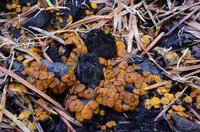
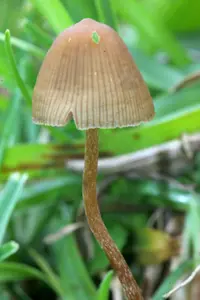
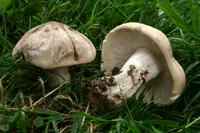
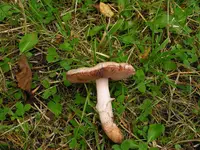
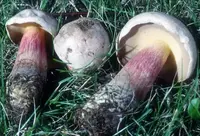
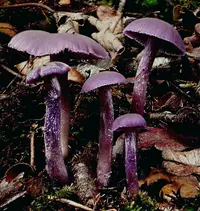
Calonarius cupreorufus is not a green houseplant but a woodland mushroom in the family Cortinariaceae. It produces medium-sized, coppery to reddish-brown caps with a sturdy stem and rusty brown spores.

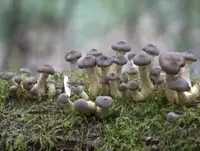
This species typically occurs in temperate forests of Europe, often forming mycorrhizal relationships with trees, which means it exchanges nutrients with their roots. It fruits on the ground in leaf litter or mossy soil.

Field identification is difficult because it closely resembles other brown Cortinarius mushrooms, some of which are seriously poisonous. For this reason, any attempt to care for Calonarius cupreorufus or handle it for consumption is strongly discouraged outside expert research contexts.

Main Plant Requirements

Care Difficulty

Moderate Care

Light Preference

Partial Shade

Water Requirements

Moderate Water

Temperature Preference

Warm Climate

Hardiness Zone

Unknown

Soil Texture

Loamy

Soil pH

Slightly acidic (6.5–7.0)

Soil Drainage

Well-drained

Fertilization

Minimal (feed rarely)

Get Personalized Care Plan

Scan your plant to receive care tips personalized for your specific plant

Available on iOS and Android

How to Care for the Calonarius cupreorufus

This woodland fungus prefers low, filtered light rather than direct sun exposure.

  • Site in deciduous or coniferous woodland with dappled shade, receiving no more than 1–2 hours of weak morning sun and no direct afternoon sun to prevent drying of the fruiting area.
  • Aim for bright shade where the ground surface is illuminated but not sunlit; excess sun causes surface cracking, rapid cap desiccation, and shortens the visible life of Calonarius cupreorufus.
  • In summer, rely on canopy cover or shade from shrubs; slight seasonal openings in the canopy that give brief spring or autumn sun are usually tolerated if soil moisture stays high.

Moist, well‑drained ground is essential for this ectomycorrhizal woodland fungus to form healthy fruiting bodies.

  • Maintain consistently damp soil around host trees; the upper 2–3 cm should feel cool and slightly moist, never waterlogged or powder‑dry, to support the underground mycelium network.
  • Improve drainage with leaf litter or fine bark so water moves through rather than pooling, since standing water leads to anaerobic soil and can suppress mushroom formation.
  • Increase moisture during hot, dry periods by gentle, infrequent soaking when the surface begins to lighten in color; reduce supplemental watering in cool, wet seasons to avoid saturated conditions.

This species fruits best in cool to mild conditions and is sensitive to both hard frost and intense heat.

  • Optimal fruiting commonly occurs around 50–64°F (10–18°C), typical of cool autumn woodland conditions with stable soil moisture and moderate daily temperature swings.
  • The mycelium in soil usually survives brief drops near 28–32°F (-2–0°C), but repeated hard frosts below this range can damage developing fruiting bodies at the surface.
  • Calonarius cupreorufus tolerates short warm spells up to about 77°F (25°C) if shaded and moist, but prolonged heat above this, combined with dry soil, quickly halts fruiting and causes caps to shrivel.

Humidity level is not a meaningful factor for Calonarius cupreorufus, which grows in open woodland conditions.

This ectomycorrhizal fungus needs specific outdoor woodland soil rather than a standard horticultural mix.

  • Grow only in the ground within a living, compatible tree root zone, never in isolated potting mixes.
  • Support slightly acidic, undisturbed, well-drained mineral soil with a surface layer of natural leaf litter, not bark mulch from stores.
  • Avoid compacted, waterlogged, heavily fertilized, or limed areas, which disrupt the fungal–root partnership and fruiting.
  • Do not amend the native soil heavily; maintain natural structure and organic matter from decomposing leaves and twigs.

This species is not suitable for container growing, as it depends on a stable symbiosis with tree roots in natural soil.

This wild mycorrhizal fungus does not benefit from routine fertilization in garden or container culture.

Pruning is not applicable for Calonarius cupreorufus, as it is a mushroom-forming fungus rather than a woody or leafy plant.

Transplanting is generally unsuitable because this ectomycorrhizal fungus depends on living host tree roots and complex soil biology.

  • Avoid digging up or moving fruiting bodies, as this does not relocate the true fungal network in the soil.
  • If growing trees associated with this species, focus on healthy root development rather than attempting to transplant the fungus itself.
  • Minimize soil disturbance around known colonies to reduce damage to the underground mycelium.
  • Maintain stable soil moisture and structure so existing fungal partnerships with host trees remain intact.

Propagation of this ectomycorrhizal mushroom is technically complex and not practical for typical home cultivation.

No specific winter care is required outdoors because the main fungal body (mycelium) remains in the soil and tolerates natural seasonal changes.

Care Tips

Spore print checks

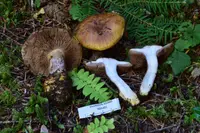
Collect a small spore print on white and dark paper during fruiting to confirm the cinnamon to rusty-brown color typical for this taxon and to avoid confusing it with potentially dangerous look-alike mushrooms.

Habitat micro‑management

Maintain a stable, undisturbed leaf‑litter layer and avoid deep raking or soil cultivation around host trees, since disrupting the upper 5–10 cm of soil can damage the fine mycorrhizal roots this species depends on.

Low‑impact access

Install narrow stepping stones or a simple path through the fruiting area so that feet do not repeatedly compact the soil or crush developing primordia, which are the tiny young mushrooms just below the surface.

Selective harvesting

If local regulations and safety allow collection, leave at least 1⁄3 of mature fruiting bodies in place and avoid removing the base of the stems, which helps preserve the reproductive and ecological function of the colony when growing Calonarius cupreorufus.

Seasonal monitoring log

Keep a simple yearly log of first appearance, peak fruiting, and weather conditions, which helps predict future flushes and assess whether site changes such as tree decline or altered moisture are reducing long‑term population stability.

Common Pests and Diseases

Mycophagous springtails

These insects feed on the fruiting bodies and mycelium, leaving small pits, scarring, or deformed caps on mushrooms, especially in moist substrates.

Solution

Limit excess moisture, improve ventilation around cultivation containers, and remove heavily damaged fruiting bodies. For persistent issues when trying to grow Calonarius cupreorufus under controlled conditions, use fine mesh exclusion, clean culture practices, and, if necessary, a targeted insecticidal soap or pyrethrin spray applied to surrounding substrate surfaces, not directly to harvestable mushrooms.

Fungus gnat larvae

These insects live in moist substrates and feed on fungal mycelium, which can weaken developing primordia and reduce or deform mushroom production.

Solution

Allow the top layer of the substrate to dry slightly between misting, use yellow sticky traps to capture adults, and cover vents with fine mesh to prevent entry. In controlled culture, a biological control such as Bacillus thuringiensis israelensis (Bti) can be applied to the substrate according to label directions to reduce larvae without harming the fungus.

Mucor mold contamination

This disease appears as fast-growing, fluffy white to gray mold that overgrows colonizing mycelium, especially in poorly sterilized or overly wet substrates.

Solution

Discard heavily contaminated substrates promptly and increase hygiene during preparation and handling of any future culture media. Improve air exchange, avoid overwatering, and, if cultivating indoors, use properly sterilized or pasteurized substrates and separate any contaminated containers from healthy ones immediately.

Trichoderma green mold

This disease starts as white mycelium that quickly turns bright or dull green as spores form, often outcompeting the desired fungal colony and halting mushroom formation.

Solution

Remove and discard contaminated blocks or trays as soon as green patches appear to prevent spore spread. Reduce humidity spikes, improve air movement, avoid reused or unsterilized substrates, and clean all nearby surfaces and tools with a suitable disinfectant before starting a new culture cycle.

Bacterial blotch

This disease causes slimy, greasy, or water-soaked spots on caps and stems, often associated with overly wet surfaces and stagnant air in cultivation setups.

Solution

Reduce direct water sitting on caps by using finer misting and shorter intervals, and increase air circulation to dry surfaces between watering. Remove and discard severely affected mushrooms, then sanitize growing surfaces and adjust humidity management to keep conditions moist but not constantly wet.

Interesting Facts

Copper‑red cap color

The fruiting body is characterized by a coppery to reddish-brown cap that can appear slightly greasy or shiny when moist, which is a key visual character used in combination with microscopic traits to separate it from similar brown Cortinarius-like species.

Associated with conifers

This species has been reported forming ectomycorrhizal relationships with coniferous trees, particularly in nutrient-poor forest soils, where it helps host trees access mineral nutrients in exchange for carbohydrates.

Recent taxonomic change

Originally placed in the broad genus Cortinarius, this species was transferred to the genus Calonarius based on DNA sequencing studies that reorganized several groups within the family Cortinariaceae.

FAQs about Calonarius cupreorufus

This mushroom is not considered edible and should be treated as potentially poisonous. Identification within its genus is difficult, and several close relatives are dangerously toxic. It is safest to avoid any culinary use entirely.

Grow Healthy Plants with Botan Care

Keep your plants happy and healthy with plant identification, disease detection, and easy care guidance.

Botan plant care app — identify plants on mobile

Explore More Plants