Meticulous surface hygiene
After each harvest, gently scrape off remaining tissue and any discolored substrate, then mist lightly and re-cover so the surface stays clean and less inviting to molds and bacteria.

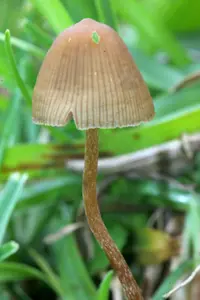
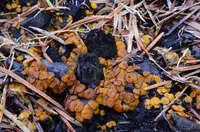
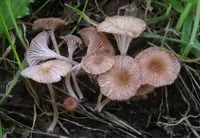
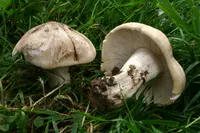
Psilocybe mexicana is a small saprotrophic fungus, not a leafy houseplant. It grows from decaying organic matter, producing slender stems with small conical to bell-shaped caps. Colors range from yellow-brown to darker brown, often with a smooth, moist surface when fresh.
This species is native to parts of Central and North America, especially in humid, grassy or mossy habitats and open woodlands. It can be challenging to cultivate because it needs stable moisture, clean conditions, and a specific nutrient-rich substrate. Anyone who wants to learn how to care for Psilocybe mexicana should understand that it requires controlled humidity, moderate indirect light, and consistently moist but not waterlogged growing conditions.

Care Difficulty
Hard Care

Light Preference
Partial Shade

Water Requirements
Keep Soil Moist

Temperature Preference
Tropical / Frost Sensitive

Hardiness Zone
Unknown

Soil Texture
Loamy, Peaty, Organic-rich

Soil pH
Acidic (5.5–6.5)

Soil Drainage
Moist but well-drained

Fertilization
Minimal (feed rarely)
Scan your plant to receive care tips personalized for your specific plant
Available on iOS and Android
This species prefers gentle, filtered light similar to a bright forest understory.
This fungus requires evenly moist, not waterlogged, conditions around its substrate.
Stable, mild temperatures support reliable development for this species.
High humidity is essential for reliable fruiting and healthy mycelial growth.
For cultivation, Psilocybe mexicana requires a loose, well-aerated, organic substrate rather than typical garden soil.
This species is suitable for controlled container cultivation when moisture and gas exchange are carefully managed.
This species is usually grown on nutrient-rich substrates, so Psilocybe mexicana needs no additional fertilizer when the substrate recipe is balanced.
Pruning Psilocybe mexicana is not part of normal culture, since it is managed through substrate replacement rather than structural trimming.
Containers or trays for this species are managed by renewing substrate rather than classic repotting of a root ball.
Propagation of this fungus relies on mycelium or spores rather than vegetative cuttings in the usual plant sense, and requires strict hygiene.
Outdoor culture of Psilocybe mexicana in temperate climates is limited, as this species is not frost tolerant and is normally kept indoors.

Plant Health Check
Not sure what's wrong with your plant? Check your plant's health inside the app.
This species naturally produces the psychoactive tryptamines psilocybin and psilocin, but typically at lower concentrations than many widely cultivated relatives such as Psilocybe cubensis, according to comparative chemical analyses.
Psilocybe mexicana forms dense, nutrient-rich sclerotia (often called truffles or stones) in the substrate, which function as long-term survival structures that allow the fungus to endure unfavorable surface conditions.
This species is native to montane and submontane regions of Mexico and Central America, where it typically colonizes mossy soils, grassy areas, and disturbed ground in humid, moderately warm environments.
Ethnomycological research describes that this species played a documented role in traditional Mazatec and other Indigenous Mesoamerican ceremonial practices, where it was historically used as a sacrament long before it was first formally described by Western science in the 20th century.
This species contains psychoactive tryptamines, including psilocybin, which affect the central nervous system. Ingestion can cause psychological and physical effects and is unsafe for children and pets. Legal status is restricted in many regions; cultivation may be regulated.
Keep your plants happy and healthy with plant identification, disease detection, and easy care guidance.