Caloboletus inedulis Care

Caloboletus inedulis

About Caloboletus inedulis

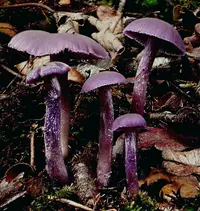
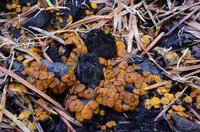
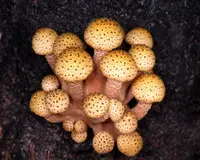
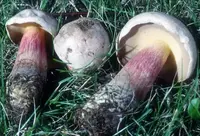
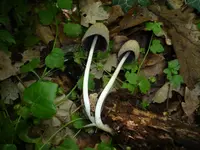
Caloboletus inedulis is a fleshy, pore-bearing mushroom species, not a leafy plant. It forms sturdy, often stout fruiting bodies with a cap and thick stem. Colors vary from yellow-brown to reddish tones, with a dense, spongy pore surface underneath the cap.

This species grows on the ground in forests, usually in association with trees, and is reported mainly from temperate regions. It is considered inedible and is not a typical choice for home cultivation.

Those who attempt to care for Caloboletus inedulis need to understand that it depends on a mycorrhizal relationship, meaning it grows with living tree roots rather than in regular pot culture.

Main Plant Requirements

Care Difficulty

Moderate Care

Light Preference

Partial Shade

Water Requirements

Moderate Water

Temperature Preference

Warm Climate

Hardiness Zone

Unknown

Soil Texture

Loamy, Sandy, Organic-rich

Soil pH

Acidic (5.5–6.5)

Soil Drainage

Well-drained

Fertilization

Minimal (feed rarely)

Get Personalized Care Plan

Scan your plant to receive care tips personalized for your specific plant

Available on iOS and Android

How to Care for the Caloboletus inedulis

This ectomycorrhizal mushroom prefers stable woodland light rather than open, direct sun.

  • Aim for bright dappled shade under trees, with 1–3 hours of soft morning sun and no harsh midday sun to prevent desiccation of caps and mycelium.
  • Support Caloboletus inedulis by maintaining a leaf-littered forest edge or light woodland setting, where 60–80% of sunlight is filtered by canopy.
  • Monitor seasonal changes; as deciduous trees lose leaves, protect the area from sudden full exposure using branches, shade cloth, or nearby shrubs.

Moist but aerated soil is essential around the host tree roots for reliable fruiting.

  • Keep the upper 2–5 cm of soil and leaf litter slightly moist, never saturated, using gentle soaking rather than frequent light sprinkling.
  • Improve drainage with loose organic matter; standing water, sour smell, or slimy litter indicate overwatering and increase rot risk for the underground mycelium.
  • In dry, hot spells, water when the soil feels dry at finger depth, while in cool, wet seasons rely mostly on rainfall and avoid compaction from heavy traffic.

This fungus thrives in mild to warm woodland conditions and declines in temperature extremes.

  • Optimal activity generally occurs around 60–75°F (16–24°C), where soil stays evenly moist and biological activity in the forest floor is high.
  • Growth and fruiting usually slow below about 45°F (7°C), and hard frost can damage emerging fruiting bodies, though underground mycelium often survives short cold spells.
  • Sustained heat above 85°F (29°C) combined with dry soil stresses the symbiosis, so mulching and shade from host trees help buffer temperature swings and moisture loss.

Humidity is not a significant factor for Caloboletus inedulis, which grows as a wild ectomycorrhizal fungus rather than a cultivated houseplant.

Caloboletus inedulis is not typically cultivated, but understanding its soil habitat helps interpret its ecological needs.

  • This bolete associates with tree roots in well-drained, loose forest soil, often sandy or loamy with high organic matter from leaf litter and woody debris.
  • Soil is usually mildly acidic to neutral (pH 5.5–7.0), with low compaction and high oxygen availability around fine roots and fungal mycelium.
  • Avoid waterlogged, compacted, or heavily fertilized ground, since prolonged saturation and high nutrient loads can disrupt mycorrhizal balance and reduce fruiting.
  • Where mimicking habitat for study plots, use a mix of native mineral soil, leaf mold, and coarse material (fine bark, sand) to improve drainage and aeration.

This species is not suitable for container growing, as it depends on complex mycorrhizal relationships with tree roots in living soil systems.

This ectomycorrhizal fungus depends on its tree partners for nutrients, so direct fertilization is usually unnecessary and often harmful.

As a wild ectomycorrhizal fungus, Caloboletus inedulis is not managed through pruning and should be left undisturbed.

This bolete is typically left in native soil with its host trees, so repotting or transplanting is not advised.

  • Avoid lifting or disturbing the surrounding soil, as this can damage the fine mycelial network that supports the fungus.
  • If a host tree must be moved, accept that the fungal partner may not re-establish in the new location.
  • Maintain suitable soil conditions for the host tree instead of attempting to transplant the fungus itself.

Propagation of this wild bolete is complex and not practical for home cultivation, so it is rarely attempted outside research settings.

In its natural range this fungus persists in soil as mycelium and does not need targeted winter care.

  • Avoid deep soil disturbance around host trees during winter to preserve the mycelial network.
  • Maintain natural leaf litter where possible, as it stabilizes soil moisture and temperature.
  • For young host trees in containers, focus on tree winter care rather than specific measures for the fungus.

Care Tips

Host tree selection

Establish the fungus near compatible ectomycorrhizal host trees such as pines, oaks, or beeches, since the mycelium depends on their roots for carbon and will not persist in isolated substrate beds without a living tree partner.

Minimal soil disturbance

Once a patch is established, avoid digging, tilling, or frequent raking in the area so the fine mycelial network and tree root associations remain intact and fruiting continues year after year.

Organic mulch management

Apply a thin, loose layer of leaf litter or pine needles instead of heavy bark mulch to maintain moisture and mimic woodland conditions without compacting the soil surface where fruiting bodies emerge.

Foot traffic control

Use simple markers or low fencing to keep people and pets from walking directly over the colonized zone, which reduces soil compaction and mechanical damage to developing mushrooms.

Fruiting body hygiene

Remove and dispose of decaying or heavily insect‑damaged mushrooms shortly after they collapse to limit spore loads of opportunistic molds and flies while still allowing enough mature fruiting for natural spore dispersal when growing Caloboletus inedulis.

Common Pests and Diseases

Mycophagous springtails

These insects feed on fungal tissues, especially young fruiting bodies, and can scar or hollow caps and stems. Symptoms include pitted, tunneled, or collapsing flesh, often with small white or gray jumping insects present in moist litter around the bolete.

Solution

Limit excess surface moisture around the fruiting zone, remove heavily damaged mushrooms promptly, and reduce thick, continuously wet leaf litter where feasible. Where collection or observation is the goal, harvest caps soon after they mature and use fine mesh covers over selected specimens to exclude springtails without altering the forest floor microhabitat too much.

Fungus gnat larvae

These insects tunnel through developing fruiting bodies, causing soft, waterlogged tissue and premature decay. Symptoms include internal maggots, browning tunnels, and rapid collapse of caps and stems even when ambient conditions are suitable for growth.

Solution

Encourage good air movement at the soil or litter surface and avoid overly compacted, constantly saturated organic layers where gnats breed. For research or controlled cultivation, cover emerging mushrooms with breathable mesh or tents to block adult gnats while maintaining natural humidity, and promptly remove and dispose of infested fruiting bodies to reduce local breeding populations.

Parasitic Hypomyces infection

This disease is caused by parasitic fungi such as Hypomyces species that colonize bolete fruiting bodies, leading to deformed, chalky, or crust-covered caps. Symptoms include discoloration, firm crusts or powdery coatings on the surface, and eventual loss of spore production.

Solution

Remove and discard infected fruiting bodies as soon as symptoms appear to lower the local spore load. Avoid disturbing or spreading contaminated fragments, and in long-term monitoring plots, mark affected spots and refrain from moving tools or containers between sites without cleaning to reduce cross-contamination.

Bacterial soft rot

This disease affects damaged or waterlogged fruiting bodies, causing foul odor, slimy texture, and rapid tissue collapse. Symptoms include wet, translucent patches that quickly turn to a smelly slurry, often beginning at bruised areas or insect entry points.

Solution

Minimize mechanical damage to fruiting bodies and avoid excessive handling, especially in warm, wet weather. In survey or semi-managed sites, remove and dispose of rotting mushrooms to reduce attraction of additional insect vectors and lower bacterial spread around developing specimens, which supports more reliable observation of Caloboletus inedulis care instructions in the field context.

Interesting Facts

Pale pore surface

The underside of the cap has a pale yellow pore surface rather than gills, which slowly stains brownish when bruised instead of the rapid blue staining seen in many related boletes.

Mild but inedible

Despite having a relatively mild taste and lacking strong odor, this bolete is regarded as inedible because its flesh can cause gastrointestinal discomfort in humans.

Conifer forest specialist

This species is typically associated with coniferous trees, forming ectomycorrhizal partnerships where its underground hyphae wrap around fine roots and improve water and nutrient uptake for the host tree.

FAQs about Caloboletus inedulis

This bolete is considered inedible due to its extremely bitter taste and the risk of misidentification with toxic look-alike species. It should not be collected for food and is best left in the habitat.

Grow Healthy Plants with Botan Care

Keep your plants happy and healthy with plant identification, disease detection, and easy care guidance.

Botan plant care app — identify plants on mobile

Explore More Plants