Artomyces austropiperatus Care

Artomyces austropiperatus

About Artomyces austropiperatus

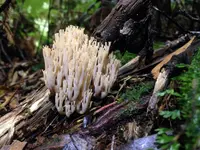
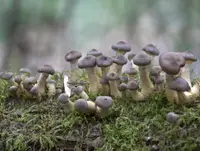
Artomyces austropiperatus is a coral-like fungus, not a leafy plant, forming dense clusters of finely branched, upright fruiting bodies. Its texture is delicate and brittle, with a pale to slightly tinted surface that can darken with age. This species is known from specific forest habitats, typically emerging from decaying wood in moist, shaded environments. It depends on cool, humid conditions and stable organic substrates, which makes it challenging to cultivate outside specialized setups. For anyone interested in how to care for Artomyces austropiperatus, it is important to understand that it behaves more like a wood-decaying mushroom than a typical houseplant and requires carefully controlled moisture and airflow.

Main Plant Requirements

Care Difficulty

Moderate Care

Light Preference

Partial Shade

Water Requirements

Keep Soil Moist

Temperature Preference

Warm Climate

Hardiness Zone

Unknown

Soil Texture

Loamy, Organic-rich

Soil pH

Acidic (5.5–6.5)

Soil Drainage

Moist but well-drained

Fertilization

Minimal (feed rarely)

Get Personalized Care Plan

Scan your plant to receive care tips personalized for your specific plant

Available on iOS and Android

How to Care for the Artomyces austropiperatus

This woodland fungus prefers cool, shaded forest conditions rather than strong open sun.

  • Provide bright dappled light or full shade, similar to a deciduous forest floor receiving 1–3 hours of weak, indirect sun filtered through canopy.
  • Avoid direct midday or afternoon sun, which can dry substrates quickly and desiccate fruiting bodies; brief early-morning sun is usually tolerated.
  • In summer, prioritize shade from 11 a.m.–4 p.m.; in late autumn, slightly more open light is acceptable as tree canopies thin.

Moist, well-drained substrate is essential for steady fruiting and mycelium health.

  • Keep the substrate consistently moist but never waterlogged; surface should feel damp, not soggy, and excess water must drain away within a few minutes.
  • Increase moisture input during warm, dry spells, watching for shriveling or drying tips as a sign the fungus is receiving too little water.
  • Reduce supplemental moisture in cool, wet seasons to prevent standing water, foul odor, or soft, collapsing clusters that indicate overwatering conditions.

This species thrives in cool to mild conditions typical of shaded forest environments.

  • Aim for an active growth range of 50–68°F (10–20°C), which supports stable mycelial activity and reliable fruiting.
  • Tolerates brief drops near 37°F (3°C) but is sensitive to hard frost; persistent temperatures below 32°F (0°C) will halt or damage fruiting structures.
  • Sustained heat above 77–80°F (25–27°C), especially with low humidity, can cause rapid drying and deformation, so deeper shade and higher moisture become critical in hot weather.

Humidity is not a significant factor for this wood-decay fungus in outdoor culture.

This species fruits on decaying wood, so it is not managed in typical garden soil but in a wood-based substrate.

  • Provide a substrate of well-rotted hardwood chips or logs with a loose, fibrous structure that holds moisture but does not become waterlogged.
  • Ensure free drainage beneath the wood substrate so excess water can run off, preventing anaerobic (oxygen-poor) conditions that suppress fungal growth.
  • Maintain consistently moist conditions around the wood by mulching with leaf litter or coarse bark to slow surface drying.
  • Avoid compacted mineral soils, standing water, or heavily fertilized ground, which disrupt the natural decomposition conditions Artomyces austropiperatus requires.

This species is not well suited to ornamental container growing, as it relies on colonizing substantial pieces of dead wood rather than potting media.

This wild coral fungus typically grows on decaying wood and does not benefit from conventional fertilization.

Pruning is not applicable because Artomyces austropiperatus is a short-lived, non-woody fungus rather than a perennial garden plant.

Transplanting is generally unnecessary, as this fungus completes its life cycle on naturally decaying wood in situ.

  • If moving a colony for study, transfer only small sections of the colonized wood rather than individual fruiting bodies.
  • Work during cool, moist weather to limit desiccation of the mycelium, the fine feeding network within the wood.
  • Handle substrate gently to avoid breaking the mycelium, and place it onto a similar piece of non-treated, decaying wood.
  • Keep the new site shaded and evenly moist to reduce stress and improve the chance of continued growth.

Intentional propagation is rarely attempted, since this saprobic fungus depends on specific decaying wood conditions and natural spore dispersal.

No dedicated winter care is needed, as the fungus persists as mycelium in wood and fruits only when conditions are favorable.

Care Tips

Substrate rotation

Alternate the fruiting block or tray position within the grow space every 2–3 days to even out airflow and light exposure, which helps produce more uniform, well-formed coral clusters.

Targeted misting technique

Mist the air around the developing fruiting bodies rather than spraying them directly to reduce bacterial spotting and keep branch tips from collapsing under excess surface moisture.

Clean harvest cuts

Use a sterilized, sharp knife to cut clusters cleanly at the base and remove leftover stubs after each flush to limit contamination and encourage new primordia formation from healthy tissue.

Spent block reuse

After production declines, crumble spent substrate into a separate, cooler, shaded outdoor bed rich in woody debris to potentially obtain secondary outdoor flushes and recycle the material safely.

Monitoring CO₂ levels

Watch for elongated, sparse branches as a sign of high CO₂, then increase fresh air exchanges slightly while maintaining humidity to balance form and yield when growing Artomyces austropiperatus.

Common Pests and Diseases

Fungal parasitism

This disease affects fruiting bodies of this coral fungus in very wet, stagnant air, causing soft, waterlogged branches that collapse and discolor. Symptoms include patches of white, gray, or other fungal growth over the coral-like structures.

Solution

Remove and discard affected fruiting bodies promptly and improve air circulation around the growth site to reduce prolonged surface moisture. Avoid overhead watering or constant misting in cultivation trays and thin nearby vegetation or debris so the substrate surface can dry between moisture events when growing Artomyces austropiperatus.

Mite feeding damage

These insects (technically arachnids) feed on the delicate coral branches, leaving tiny pits, roughened texture, and sometimes fine webbing on and between branches. Symptoms include dull, slightly bronzed or browned tips that dry prematurely.

Solution

Increase ambient humidity slightly and use a strong but gentle stream of water or a soft brush to dislodge mites from fruiting bodies and surrounding substrate. In enclosed or indoor culture, improve air exchange, remove heavily affected clusters, and if necessary apply a targeted insecticidal soap or horticultural oil to non-fruiting surrounding vegetation and surfaces, avoiding direct contact with the fungus.

Slugs and snails

This pest grazes on the soft branches, leaving irregular bite marks, shredded tips, and slime trails on or near the fruiting bodies. Symptoms include rapidly disappearing clusters or unevenly chewed coral structures.

Solution

Hand-pick slugs and snails at dusk or early morning and remove nearby shelters such as boards, dense leaf piles, and pots. Use physical barriers like copper tape, sharp grit, or carefully placed slug traps around the cultivation area rather than directly on the fungal substrate to limit contamination.

Interesting Facts

Southern Australian native

This coral fungus is known only from southern Australia, with records mainly from wet eucalypt forests and cool temperate rainforests, indicating a distribution tightly linked to these specific forest types.

Decurrent spine spores

Under the microscope, its basidiospores show a distinctive decurrent apiculus (a spine-like projection that runs down the spore), a feature used by mycologists to separate it from closely related Artomyces species.

Preference for decayed wood

Fruiting bodies typically arise from well-rotted woody debris on the forest floor rather than from fresh logs, reflecting a role in the later stages of wood decomposition and nutrient recycling in its native ecosystems.

FAQs about Artomyces austropiperatus

This coral fungus is not well studied for edibility and should be treated as inedible. Identification of small, pale coral fungi is difficult, and confusing it with toxic lookalikes is possible, so foraging is not recommended.

Grow Healthy Plants with Botan Care

Keep your plants happy and healthy with plant identification, disease detection, and easy care guidance.

Botan plant care app — identify plants on mobile

Explore More Plants