Cortinarius magellanicus Care

Cortinarius magellanicus

About Cortinarius magellanicus

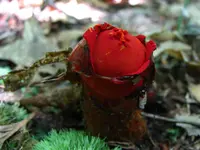
Cortinarius magellanicus is a forest mushroom, not a true plant, belonging to the large and diverse Cortinarius genus. It typically forms small to medium fruiting bodies with a cap-and-stem structure and a cobweb-like veil in young stages.

This species is usually found in cool, moist woodlands, often associated with trees through a mycorrhizal partnership, where fungus and roots exchange nutrients. It is considered difficult to cultivate because it depends on this close relationship with host trees.

For anyone interested in how to care for Cortinarius magellanicus, it is important to understand that it thrives best in undisturbed, naturally moist forest soils with consistent shade and organic matter.


Main Plant Requirements

Care Difficulty

Hard Care

Light Preference

Partial Shade

Water Requirements

Regular Water

Temperature Preference

Cool Climate

Hardiness Zone

Unknown

Soil Texture

Loamy, Silty, Organic-rich

Soil pH

Acidic (5.5–6.5)

Soil Drainage

Moist but well-drained

Fertilization

Minimal (feed rarely)

Get Personalized Care Plan

Scan your plant to receive care tips personalized for your specific plant

Available on iOS and Android

How to Care for the Cortinarius magellanicus

This ectomycorrhizal fungus develops best in cool, shaded woodland conditions rather than direct open sun.

  • Provide dappled or filtered light equivalent to bright forest shade, roughly 1–3 hours of soft morning sun and indirect light for the rest of the day.
  • Avoid strong midday and afternoon sun, which can overheat the leaf litter and dry the upper soil, reducing suitable conditions for Cortinarius magellanicus.
  • Maintain partial to deep shade (under trees or shrubs) year-round; in summer, supplement shade with leaf litter or mulch if canopy cover is thin.

Moist, cool, well-drained soil supports stable fruiting conditions for this forest-dwelling fungus.

  • Aim for soil that stays evenly moist but not waterlogged; the upper 2–3 cm should feel slightly damp, never saturated or cracked-dry.
  • Use loose, humus-rich soil with good drainage so excess water can pass through; persistent puddling or sour, swampy odor indicates overwatering and low oxygen.
  • In dry or hot periods, irrigate the surrounding woodland soil when leaf litter feels dry and crisp, but reduce watering in cool, wet seasons to avoid prolonged soggy conditions.

This species favors cool to mild woodland climates and reacts poorly to both hard frost and intense heat.

  • Ideal soil and air temperatures for development are around 50–65°F (10–18°C), typical of cool, moist autumn conditions in many temperate forests.
  • Short dips to 32°F (0°C) may be tolerated in leaf litter, but repeated freezes below 28°F (-2°C) can damage developing fruiting bodies and reduce seasonal abundance.
  • Sustained heat above 77°F (25°C), especially with dry air, quickly dries the substrate; maintain shade, organic mulch, and soil moisture during warmer spells to buffer temperature swings.

This wild ectomycorrhizal fungus is not suitable for deliberate humidity control in typical home or container culture.

This species grows naturally in undisturbed forest soil and is not realistically cultivated in prepared substrates.

  • Cortinarius magellanicus associates with tree roots in humus-rich, well-aerated forest soil, not in standard potting mixes.
  • Natural substrates are usually loose, organic forest litter over mineral soil with stable moisture but no prolonged surface waterlogging.
  • Soil pH tends to be slightly acidic; artificial liming or strong alkalinity will disrupt the mycorrhizal relationship.
  • Avoid compacted, heavily fertilized, or sterilized mixes, which prevent the fungus from forming functional partnerships with host trees.

This forest mushroom is not suitable for container growing under normal home or hobby conditions.

This wild mycorrhizal fungus naturally gathers nutrients through its tree partners and should not be fertilized in cultivation.

As a short-lived mushroom-forming fungus, Cortinarius magellanicus does not benefit from any form of pruning.

Transplanting focuses on maintaining the undisturbed soil and fungal network rather than moving individual Cortinarius magellanicus fruiting bodies.

  • Shift soil blocks only if necessary, keeping as much original forest or woodland soil intact as possible to preserve the mycelium.
  • Carry out any move during the host tree’s dormant season, when soil disturbance is least stressful for tree roots.
  • Avoid breaking or shaking soil from roots; slide the intact root–soil mass into the new location or container.
  • Water gently after transplanting to settle soil, then keep conditions stable, avoiding repeated disturbance or compaction.

This ectomycorrhizal fungus is not practically propagated at home, as it depends on complex associations with specific host trees and soil microbes.

No dedicated winter care is practical, as the fungus persists underground as mycelium and fruiting bodies are temporary.

Care Tips

Host tree selection

Establish this ectomycorrhizal fungus only near compatible native hosts such as Nothofagus or closely related southern beech species, since successful fruiting depends on a stable root partnership rather than soil amendments alone.

Minimal soil disturbance

After colonization, avoid tilling, deep raking, or frequent digging in the rooting zone of the host trees, because disturbance can damage the fine mycelial network that supports nutrient exchange and fruiting.

Leaf litter management

Maintain a light, continuous layer of undecayed leaf litter and fine twigs around host trees to provide a steady source of organic matter, but remove thick, matted layers that hold excess water and restrict gas exchange at the soil surface.

Careful companion planting

Limit aggressive groundcovers and dense lawn grass directly above the colonized zone, as strong root competitors can reduce carbohydrate flow from the host tree to the fungus and lower the chance of mushrooms appearing.

Monitoring site changes

Record changes in canopy cover, irrigation patterns, and nearby construction, because shifts in light, soil compaction, or drainage often explain declines in fruiting and help adjust long-term Cortinarius magellanicus care instructions in that location.

Common Pests and Diseases

Fungal parasitism

This disease affects fruiting bodies when other fungi colonize the caps or stems, often causing discoloration, deformation, or a cottony overgrowth. Symptoms include aborted or misshapen mushrooms that decay more rapidly than usual.

Solution

Remove and dispose of affected fruiting bodies promptly to limit spread, and avoid disturbing or trampling the surrounding soil and mycorrhizal zone. For those studying or attempting Cortinarius magellanicus care instructions in controlled settings, keep the substrate clean, avoid overcrowding different fungal species, and maintain good air exchange to reduce opportunistic fungal overgrowth.

Slug and snail damage

These animals feed on young fruiting bodies, leaving irregular holes, slime trails, and partially eaten caps. This pest is most active in damp, shaded conditions where mushrooms emerge.

Solution

Hand-pick slugs and snails during moist periods and remove debris, boards, or dense groundcover that offers hiding spots. In outdoor settings, use copper barriers or coarse grit around key fruiting areas to reduce feeding without disturbing the mycorrhizal association in the soil.

Mycophagous insect larvae

These insects lay eggs in developing mushrooms, and the larvae tunnel through the gills and stems, causing soft spots, collapse, and rapid decay. Symptoms include small entry holes, frass (fine debris), and structurally weakened fruiting bodies.

Solution

Harvest or document fruiting bodies promptly once mature to reduce the window for egg-laying. In controlled or research environments, use fine mesh barriers around developing mushrooms and maintain good hygiene in the growing area to limit adult insect access and breeding sites.

Interesting Facts

Southern beech associate

This fungus forms ectomycorrhizal partnerships with Nothofagus (southern beech) in subantarctic and cool temperate forests of southern South America, exchanging mineral nutrients for sugars from the tree roots.

Striking violet pigments

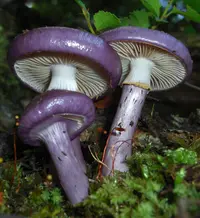
Fruitbodies often show intense violet to bluish colors, especially in the cap and gills when young, due to fungal pigments that degrade and brown with age and exposure, making identification more reliable early in development.

Subantarctic distribution

It is native to southern Patagonia and Tierra del Fuego, occurring in cold, oceanic climates near the southern tip of South America where relatively few mushroom-forming species are adapted to the harsh conditions.

FAQs about Cortinarius magellanicus

This fungus is not considered edible and should be treated as poisonous. Many Cortinarius species contain dangerous toxins that can cause severe or delayed kidney damage. Foraging or tasting it is strongly discouraged, even in small amounts.

Grow Healthy Plants with Botan Care

Keep your plants happy and healthy with plant identification, disease detection, and easy care guidance.

Botan plant care app — identify plants on mobile

Explore More Plants