Cayenne pepper Care (Capsicum annuum)

Also known as: pepper, chili pepper, sweet pepper, bell pepper, chilipiquin, green pepper, red pepper, sweet bell pepper, chile pequin, banana pepper
Cayenne pepper

About Cayenne pepper

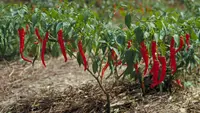
Cayenne pepper is a cultivated form of Capsicum annuum, grown for its long, narrow, and usually bright red fruits with a strong, pungent heat. It is a warm-season, short-lived perennial often treated as an annual in temperate climates.

Plants have an upright, branching habit with simple green leaves and small white flowers that develop into thin-walled pods. They originate from tropical regions of the Americas but are now widely grown in home gardens and containers.

Moderate growth speed, good productivity, and clear visual cues when fruits ripen make it relatively straightforward to care for Cayenne pepper, provided it receives plenty of light, warmth, and well-drained soil.

Main Plant Requirements

Care Difficulty

Moderate Care

Light Preference

Full Sun

Water Requirements

Moderate Water

Temperature Preference

Tropical / Frost Sensitive

Hardiness Zone

10–11

Soil Texture

Sandy, Loamy, Organic-rich

Soil pH

Acidic (5.5–6.5), Slightly acidic (6.5–7.0)

Soil Drainage

Moist but well-drained

Fertilization

Moderate (every 2–4 weeks)

Get Personalized Care Plan

Scan your plant to receive care tips personalized for your specific plant

Available on iOS and Android

How to Care for the Cayenne pepper

Capsicum annuum needs strong light to produce compact plants and good fruit set.

  • Provide 6–8 hours of direct sun daily; morning sun with light afternoon shade is ideal in hot climates for caring for Cayenne pepper and other types.
  • In mild or northern climates, full sun all day is usually beneficial, as long as soil moisture is maintained to prevent stress.
  • Leaves that yellow, elongate, or plants that flower poorly indicate insufficient light, while scorched, crispy leaf edges suggest excessive intense afternoon sun.

Capsicum annuum prefers evenly moist but never waterlogged soil for healthy root and fruit development.

  • Water when the top 3–5 cm of soil is dry, using a slow, deep soak so moisture reaches the full root zone without pooling on the surface.
  • Use well-drained soil or beds; prolonged puddling, sour smell, or black, mushy roots indicate overwatering and poor drainage that can cause root rot.
  • Expect faster drying and more frequent watering during hot, windy summer periods, and less in cool or cloudy weather; drooping, dull leaves that perk up after watering signal mild underwatering.

This species grows best in warm, stable conditions without frost or extreme heat swings.

  • Aim for 70–85°F (21–29°C) daytime and 60–70°F (16–21°C) nighttime for strong vegetative growth and flowering.
  • Avoid temperatures below 55°F (13°C); brief dips to 40–45°F (4–7°C) can stunt plants, and any frost can kill foliage and young growth.
  • In heat waves above 95°F (35°C), fruit set often drops and flowers may abort, so provide afternoon shade and consistent soil moisture to reduce stress.

Capsicum annuum prefers moderate humidity but usually adapts well to typical indoor air.

  • Aim for 40–60% humidity, as very dry air can slow growth and reduce flower set in Cayenne pepper.
  • Low humidity stress shows as leaf edge curl, pale new growth, and occasional flower drop without pests present.
  • Increase humidity by grouping plants, placing water trays with pebbles nearby, or briefly using a fine mist in the morning.

Capsicum annuum grows best in loose, well-aerated, consistently moist but free-draining soil.

  • Use a loamy mix with 40–60% high-organic material such as compost plus a base of peat or coco coir.
  • Ensure sharp drainage by adding perlite or coarse sand at 20–30% of the volume to prevent waterlogging and root rot.
  • Keep soil slightly acidic to neutral, around pH 6.0–7.0, to support nutrient availability and balanced growth.
  • Avoid heavy clay, compacted, or constantly soggy substrates, and break up clods so roots can spread evenly through the pot.

This species is well suited to container growing outdoors on patios, balconies, or small gardens.

  • Choose a pot at least 25–30 cm deep so the taproot can develop without circling and stressing the plant.
  • Use a slightly heavier material like ceramic or thick plastic to stabilize tall, fruit-laden stems in wind.
  • Elevate the container on pot feet so drainage holes stay clear and excess water escapes quickly after heavy rain.

Capsicum annuum responds well to moderate, consistent feeding during its active growing season.

  • Use a balanced liquid fertilizer (for example 10-10-10 or 20-20-20) diluted to 1/2 strength every 2–3 weeks in spring and summer.
  • Alternatively, apply a slow-release granular fertilizer or finished compost at planting and midseason.
  • Reduce feeding to once every 4–6 weeks in cooler months when growth slows.
  • For Cayenne pepper and other hot types, avoid high-nitrogen products that cause leafy growth with fewer fruits.

Pruning Capsicum annuum is useful to manage plant size, light penetration, and fruiting performance.

  • In late spring or early summer, pinch soft tips of young plants to encourage branching and a bushier shape.
  • Use clean, sharp scissors or pruners to remove dead, diseased, or storm-damaged stems as soon as they appear.
  • Thin very crowded inner shoots so light and air reach flowers and fruits, reducing fungal problems.
  • Late-season light thinning of small buds can direct energy into ripening existing peppers.

Capsicum annuum benefits from timely transplanting or repotting to avoid root restriction and growth slowdown.

  • Transplant seedlings outdoors after frost once night temperatures stay above 55°F and plants have 4–6 true leaves.
  • In containers, move to a slightly larger pot when roots circle the drainage holes or growth stalls.
  • Use a well-drained mix and handle the root ball gently, disturbing roots as little as possible.
  • Water thoroughly after transplanting and shade plants for 2–3 days to limit stress and wilting.

Capsicum annuum is most commonly propagated from seed for strong, productive plants.

  • Sow fresh seeds indoors 6–10 weeks before the last frost in a sterile, well-drained seed-starting mix.
  • Maintain 75–85°F soil temperature and bright light to support rapid, even germination.
  • Keep the mix just moist, not waterlogged, and provide gentle airflow to limit damping-off disease.
  • Stem cuttings can root in warm, humid conditions but are less common than seed-based Capsicum annuum plant care.

Capsicum annuum is frost-sensitive and needs specific winter care in cold climates.

  • In USDA zones colder than 9, grow as an annual or overwinter selected plants indoors in bright light.
  • Before first frost, lift container plants and place them in a 60–70°F room away from cold drafts.
  • Outdoors in mild climates, apply 5–8 cm of mulch around the root zone to moderate soil temperature.

Care Tips

Use sturdy staking

Install a single strong stake or tomato cage early in the season and loosely tie stems as they elongate so heavy fruit clusters do not bend or snap branches later.

Encourage branching

Pinch out the first strong growing tip above a leaf node when plants are 15–20 cm tall to promote multiple side branches and increase flowering and fruiting sites.

Targeted blossom support

In breezy but sheltered sites, gently shake or tap flowering stems every few days to help pollen move within the flowers and improve fruit set, especially in very still air or protected patios.

Prevent calcium stress

Keep soil moisture even and apply a balanced, calcium-containing fertilizer according to label rates to reduce the risk of blossom-end rot in long, thin fruits when growing Cayenne pepper.

Rotate and sanitize

Avoid planting in the same ground or container mix used for tomatoes, eggplants, or peppers in the last 2–3 years and remove old roots and debris at season’s end to lower disease and pest buildup specific to this plant group.

Common Pests and Diseases

Aphids

These insects cluster on new shoots and flower buds, sucking sap and causing curling, distortion, and sticky honeydew on leaves and stems.

Solution

Spray plants with a firm stream of water to dislodge colonies, then apply insecticidal soap or a neem oil spray to all leaf surfaces every 5–7 days until populations drop; remove heavily infested shoot tips to reduce pressure and improve Capsicum annuum care.

Pepper weevil

This pest lays eggs in flower buds and young fruits, leading to premature bud and fruit drop and small exit holes where larvae have emerged.

Solution

Collect and discard all fallen buds and fruit, then use fine mesh row covers to exclude adults; in outdoor beds, rotate crops, remove solanaceous weeds, and consider targeted spinosad sprays timed to flowering to reduce adult populations.

Spider mites

These pests thrive in hot, dry conditions, causing tiny yellow speckles on leaves, fine webbing, and eventual leaf drop if ignored.

Solution

Rinse foliage thoroughly, including the undersides of leaves, then apply horticultural oil or insecticidal soap at 5–7 day intervals; increase ambient humidity and reduce heat stress to slow mite reproduction and monitor with a magnifier for early detection.

Bacterial leaf spot

This disease causes small, water-soaked spots that turn dark and may be surrounded by yellow halos, often leading to tattered, dropped leaves and blemished fruit.

Solution

Remove and discard infected leaves and fruit, avoid overhead watering, and water at soil level to keep foliage dry; improve spacing for airflow and use copper-based fungicide/bactericide as a preventive spray when warm, wet weather favors spread, and avoid saving seed from infected plants.

Powdery mildew

Symptoms include white, powdery patches on upper leaf surfaces that can spread and cause yellowing and early leaf drop, especially late in the season or in crowded plantings.

Solution

Prune to improve airflow and remove the worst-affected leaves, then apply a sulfur, potassium bicarbonate, or neem-based fungicide to all leaf surfaces; water early in the day, keep foliage as dry as possible, and avoid excessive nitrogen, which encourages susceptible soft growth.

Interesting Facts

Domesticated diversity center

Capsicum annuum was domesticated in Mexico thousands of years ago and today includes both hot chiles and most common sweet peppers, all belonging to the same highly variable species.

Capsaicin storage strategy

In hot C. annuum types, capsaicin is produced mainly in the placental tissue inside the fruit rather than in the seeds themselves, and this compound evolved to deter mammal herbivores while still allowing birds to disperse the seeds.

Bird-dispersed chili fruits

Many wild C. annuum plants bear small, upright, red fruits that are easy for birds to spot and swallow whole, which helps spread the seeds over long distances without the capsaicin deterring the birds.

Botan icon

Did you know?

Modern molecular studies show that many popular peppers that look and taste quite different, such as jalapeño, bell pepper, and many ornamental chili types, are all cultivars of the single species Capsicum annuum, making it one of the most morphologically diverse domesticated crop plants.

FAQs about Cayenne pepper

Yellowing leaves usually result from overwatering, nutrient deficiency (especially nitrogen or magnesium), or root stress from compacted soil or cold. Check drainage, adjust watering, and use a balanced fertilizer to correct the issue gradually.

Grow Healthy Plants with Botan Care

Keep your plants happy and healthy with plant identification, disease detection, and easy care guidance.

Botan plant care app — identify plants on mobile

Explore More Plants