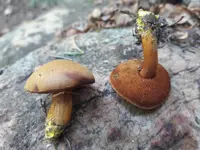
Big Red Care (Gyromitra caroliniana)

Also known as: Carolina False Morel
Big Red

About Big Red

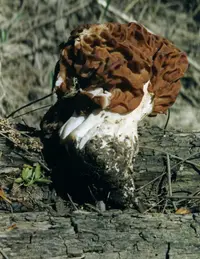
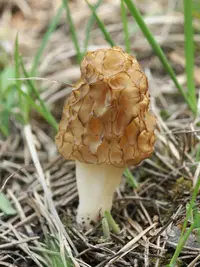
Gyromitra caroliniana, often called Big Red, is a large, fleshy fungus rather than a traditional green plant. It forms bulky, brain-like caps in reddish to brown tones on stout, pale stems.

This species appears in late winter to spring, mainly in hardwood forests and river bottoms in the eastern and central United States. It fruits on soil or well-rotted wood.

Big Red is challenging to cultivate because it depends on complex relationships with trees and decaying organic matter. For those interested in how to care for Big Red in controlled settings, success is limited and requires cool, moist, well-aerated conditions that mimic its forest habitat.


Main Plant Requirements

Care Difficulty

Hard Care

Light Preference

Partial Shade

Water Requirements

Keep Soil Moist

Temperature Preference

Cool Climate

Hardiness Zone

Unknown

Soil Texture

Loamy, Silty, Organic-rich

Soil pH

Acidic (5.5–6.5), Slightly acidic (6.5–7.0)

Soil Drainage

Moist but well-drained

Fertilization

Minimal (feed rarely)

Get Personalized Care Plan

Scan your plant to receive care tips personalized for your specific plant

Available on iOS and Android

How to Care for the Big Red

This fungus fruits best in shaded hardwood forests with indirect, low-intensity light rather than direct sun exposure.

  • Provide bright shade or dappled light under deciduous trees, avoiding more than 1–2 hours of direct sun, especially in the afternoon.
  • Big Red tolerates deep shade, but fruiting is usually better where 3–5 hours of filtered morning light reach the forest floor.
  • Protect sites from strong summer sun; excessive exposure dries leaf litter and wood, reducing moisture and suppressing sporocarp (fruiting body) formation.

Gyromitra caroliniana depends on consistently moist, not waterlogged, leaf litter and decaying wood to form fruiting bodies.

  • Aim for forest-floor conditions where the top 2–5 cm of leaf litter feel evenly moist after rainfall but never muddy or submerged.
  • Poor drainage and standing water promote rot and bacterial growth, while dust-dry litter, cracked soil, or brittle wood indicate insufficient moisture.
  • During dry spells, fruiting declines; persistent saturation, foul odor, or slime on wood and litter suggest excessive water that can limit mycelial health.

This species fruits in cool to mild conditions and is sensitive to both hard frost and intense heat.

  • Optimal fruiting typically occurs around 55–70°F (13–21°C), often in early to mid-spring when soils are cool and evenly moist.
  • Tissue is damaged by hard freezes below about 28°F (-2°C), so fruiting bodies often abort or decay after strong frost events.
  • Heat above 80–85°F (27–29°C) dries substrates quickly and shortens lifespan of fruiting bodies, so activity usually declines as summer temperatures rise.

Humidity is not a meaningful care factor for Gyromitra caroliniana, which develops outdoors in natural woodland conditions rather than controlled indoor air.

This fungus develops best in naturally rich woodland substrates rather than conventional potting soil.

  • Prefers moist, organic-rich forest litter over decaying hardwood, with soft, crumbly texture from leaves, twigs, and rotting logs.
  • Requires consistently damp but not waterlogged conditions; standing water or compacted mud suppresses fruiting and encourages harmful anaerobic microbes.
  • Thrives where soil or substrate is mildly acidic, roughly pH 5.0–6.5, typical of oak–hickory leaf litter layers.
  • Encouraging Gyromitra caroliniana means leaving fallen wood, bark pieces, and decomposing leaf layers undisturbed to maintain aeration and natural drainage channels.

This woodland fungus is not suitable for typical container growing and performs poorly in pots or planters.

Gyromitra caroliniana is a wild mycorrhizal fungus that does not benefit from household fertilizing in gardens or containers.

Gyromitra caroliniana is not a typical garden plant and does not require pruning as a mushroom-forming fungus.

Transplanting or repotting Gyromitra caroliniana is generally not recommended because it depends on complex soil fungi–tree relationships.

  • Avoid disturbing natural colonies; this species forms in specific forest soils and often near host trees.
  • If removal is necessary, lift the surrounding soil mass gently rather than handling individual fruiting bodies.
  • Do not expect reliable re-establishment when moved; survival after transplanting is usually poor.
  • For observation, collect only a small sample, leaving most of the colony undisturbed.

Propagation of Gyromitra caroliniana is highly specialized and is not practical for home growers or casual cultivation.

This fungus is naturally cold hardy in its native range and needs no intentional winter care in gardens or landscapes.

Care Tips

Site Inoculation Strategy

Introduce colonized hardwood pieces or well-rotted wood chips from an existing, disease-free patch into a new site with similar tree species and soil conditions to increase the chance of establishing a stable fruiting population.

Leaf Litter Management

Maintain a loose, continuous layer of deciduous leaf litter over the colonized area, topping up with local, untreated leaves each autumn to protect the mycelium and mimic the mushroom’s natural forest-floor habitat.

Minimal Disturbance Zones

Mark and avoid walking, raking, or digging through known fruiting spots so the shallow mycelial network is not compacted or broken, which helps sustain regular spring flushes.

Moisture Buffer Mulch

In drier climates, add a thin layer (1–2 in) of shredded hardwood mulch around but not directly on emerging fruiting bodies to buffer soil moisture and reduce rapid drying after rain.

Observation And Recordkeeping

Photograph and log dates, associated trees, and weather patterns for each fruiting event to build a site-specific calendar that guides future decisions on how to take care of Big Red in that location.

Everything About Big Red

Common Pests and Diseases

Slug grazing

This pest is attracted to the moist, decaying wood and soil where the fungus fruits, and can chew through young or soft fruiting bodies. Symptoms include irregular holes, shredded edges, and slime trails on or near the mushrooms.

Solution

Hand-pick slugs at dusk or early morning and use physical barriers such as copper tape or rough diatomaceous earth around the fruiting area. Reduce nearby slug habitat by removing dense ground litter and boards lying directly on moist soil, and use shallow beer traps or yeast-water traps at the edge of the patch rather than on top of the fungus.

Fungivorous fly larvae

These insects lay eggs on or in the fruiting bodies, and the larvae tunnel through the tissue. Symptoms include soft, collapsing mushrooms, fine holes, and small pale maggots inside when cut open.

Solution

Remove and discard heavily infested fruiting bodies promptly to break the life cycle and reduce local populations. Cover developing mushrooms with fine insect mesh supported on small hoops or stakes to physically block egg-laying adults, and avoid leaving cut or damaged mushrooms on site, since they attract more flies.

Parasitic mold overgrowth

This disease is caused by competing microscopic fungi that colonize the surface or interior of the fruiting bodies. Symptoms include fast-spreading white, gray, or sometimes greenish fuzz that distorts or collapses the mushrooms and may give off a sour odor.

Solution

Harvest and discard affected fruiting bodies as soon as mold is noticed, and avoid handling healthy mushrooms after touching infected ones. Improve air movement around the fruiting area by thinning surrounding low vegetation and avoid excessive, stagnant moisture such as pooled water or constantly soaked debris over the colony.

Interesting Facts

Unusually massive fruitbody

This species forms very large, brain-like caps that can reach the size of a small cabbage, making it one of the more massive false morels found in eastern North America.

Spring hardwood associate

It typically fruits in early spring on the ground near decaying hardwood logs, especially in bottomland forests with oaks and other broadleaf trees in the southeastern and south-central United States.

Regional name Big Red

In parts of the southern United States it is commonly called Big Red because of its often reddish-brown, convoluted cap and robust, fleshy stem.

Botan icon

Did you know?

Despite its size and sometimes morel-like appearance, this false morel has a history of being eaten in some local traditions, yet modern mycologists regard it as potentially toxic and strongly advise against consuming it due to the risk of harmful compounds similar to those found in other Gyromitra species.

FAQs about Big Red

This fungus is considered poisonous and should not be eaten, even after cooking or drying. It can contain gyromitrin-like toxins that damage the liver and nervous system. For safety, avoid collecting or consuming it.

Grow Healthy Plants with Botan Care

Keep your plants happy and healthy with plant identification, disease detection, and easy care guidance.

Botan plant care app — identify plants on mobile

Explore More Plants