Lesser Hairy-brome Care (Bromus benekenii)

Lesser Hairy-brome

About Lesser Hairy-brome

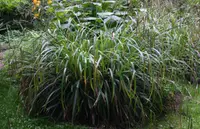
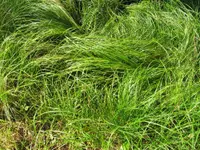
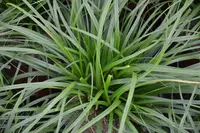
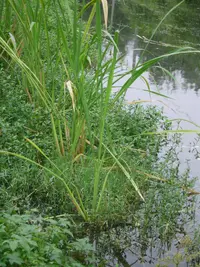
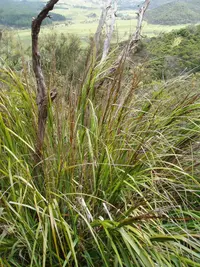
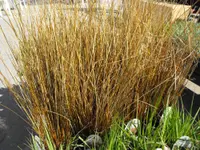
Lesser hairy-brome, Bromus benekenii, is a perennial bunchgrass found mainly in shaded woodlands and hedgerows across parts of Europe and introduced regions in North America. It forms loose clumps with slender, arching stems and narrow leaves, giving a soft, fine-textured look.

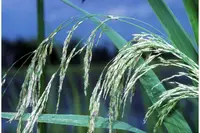
The flowering stems carry open, nodding panicles with small, elongated spikelets that move easily in light wind. It usually favors moist, humus-rich soils and partial shade, which makes it better suited to naturalistic or woodland-style plantings.

Once established, it is relatively undemanding, though it can spread by seed in suitable habitats. Understanding how to care for Lesser Hairy-brome starts with matching its preference for cool, sheltered sites and consistent moisture.

Main Plant Requirements

Care Difficulty

Easy Care

Light Preference

Partial Shade

Water Requirements

Moderate Water

Temperature Preference

Cold Hardy

Hardiness Zone

4–8

Soil Texture

Loamy, Silty, Organic-rich

Soil pH

Acidic (5.5–6.5), Slightly acidic (6.5–7.0)

Soil Drainage

Moist but well-drained

Fertilization

Minimal (feed rarely)

Get Personalized Care Plan

Scan your plant to receive care tips personalized for your specific plant

Available on iOS and Android

How to Care for the Lesser Hairy-brome

This cool-season grass prefers bright, indirect conditions with some shade during the hottest hours.

  • Provide 3–5 hours of direct morning sun with light or dappled shade in the afternoon, especially in summer.
  • Tolerates partial shade, but very dense shade reduces vigor, weakens clumps, and can cause floppy, stretched growth in Lesser Hairy-brome.
  • In hot regions, protect from intense midday sun to prevent leaf scorching and excessive drying; in cooler climates, an open east or north exposure works well.

This species prefers evenly moist, free-draining soil without long periods of saturation.

  • Water when the top 2–4 cm of soil feel dry, then moisten soil to root depth without leaving standing water.
  • In spring and early summer, when Bromus benekenii is actively growing, monitor more often; reduce watering once growth slows or foliage begins to yellow naturally.
  • Signs of overwatering include soft, yellowing leaves and rotting bases, while crisp, browning tips and slow growth usually indicate insufficient moisture.

This cool-season perennial grass prefers moderate temperatures and tolerates typical outdoor fluctuations.

  • Optimal growth occurs around 55–70°F (13–21°C), with strongest performance in mild spring and fall conditions.
  • Plants tolerate winter cold close to 0°F (−18°C) once established, but foliage may burn back with repeated hard frosts.
  • Heat above 85°F (29°C), especially with dry soil, can stress plants; provide mulch, consistent moisture, and some afternoon shade during hot spells.

This temperate grass tolerates a broad humidity range and rarely needs special humidity management outdoors or in containers.

This woodland grass prefers loose, moderately fertile mineral soil that drains freely yet retains some moisture.

  • Aim for a loamy, slightly sandy structure with 20–30% organic matter such as compost or leaf mold for stable moisture.
  • Ensure drainage is rapid; on heavy clay sites, incorporate coarse sand or fine gravel to prevent waterlogging around roots.
  • A slightly acidic to neutral pH of 6.0–7.0 suits Bromus benekenii, so avoid adding large amounts of alkaline amendments.
  • Improve aeration by mixing in 10–20% fine bark or perlite, and avoid compacted, sealed surfaces that restrict gas exchange.

This species can adapt reasonably well to container growing when given adequate root space and stable moisture conditions.

  • Select a deep, stable pot to accommodate its fibrous root system and reduce the risk of the clump becoming top-heavy in wind.
  • Use a free-draining mix of garden loam and sharp sand in a ratio of about 2:1 to prevent water sitting around the roots.
  • Choose a heavier material such as terracotta or ceramic to improve pot stability and moderate moisture fluctuations in sun and wind.

This cool-season grass is low demand but responds to modest feeding in poor soils when growing Lesser Hairy-brome in managed plantings.

  • Use a balanced, slow-release fertilizer or light top-dressing of compost in early spring as growth resumes.
  • Apply at half the label strength to avoid forcing weak, lush growth that flops easily.
  • Feed once in spring; in very poor soils, a second light application in midsummer can be beneficial.
  • Stop fertilizing in late summer and avoid feeding in winter dormancy.

Pruning Bromus benekenii is mainly about tidying and maintaining a fresh-looking clump.

  • Cut back old, straw-colored foliage in late winter or very early spring before new shoots elongate.
  • Remove dead, damaged, or lodging stems during the season to improve air flow and reduce disease risk.
  • Shear or hand-trim spent flowering stems after seed set if self-sowing is not desired.
  • Use clean, sharp shears or a sickle, cutting above the crown to avoid injuring new buds.

This ornamental grass is usually grown in the ground, with transplanting more relevant than container repotting.

  • Transplant in early spring or early fall when temperatures are mild and soil is moist but not waterlogged.
  • Move clumps only when growth slows, centers thin, or plants outgrow their space in the planting scheme.
  • Lift with a spade, keeping as much root ball intact as possible to limit root stress and setback.
  • Replant at the same depth, water thoroughly, then keep soil evenly moist until new growth re-establishes.

Bromus benekenii is most commonly propagated by division or seed under simple conditions.

  • Divide established clumps in early spring or early fall, when temperatures are cool and soil moisture is stable.
  • Use a spade or knife to split the crown into sections with healthy roots and several growing points.
  • Replant divisions immediately at the original depth, firming soil and watering to settle around roots.
  • Sow fresh seed in fall or early spring in prepared soil or trays, keeping substrate evenly moist for germination.

This species is generally cold hardy in temperate climates and needs little winter intervention in the ground.

  • Tolerates typical frosts once established, though very young plants benefit from a sheltered site.
  • Apply a light mulch layer around the root zone in late fall in colder regions to moderate freeze–thaw.
  • Leave some foliage and stems over winter to insulate the crown, cutting back in late winter or early spring.
  • Container-grown plants in very cold zones can be overwintered in an unheated garage or cold frame to reduce root freezing.

Care Tips

Cut-and-come-again

Shear back a portion of the clump by 1/3 after flowering to refresh foliage, reduce self-seeding, and encourage a denser, cleaner mound for the rest of the season.

Seedling management

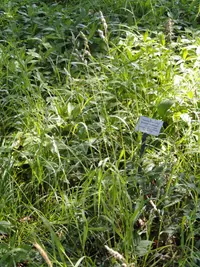
Mark and thin volunteer seedlings in early spring, keeping only well-spaced, strong plants 20–30 cm apart so the stand stays airy and resists fungal problems.

Divide on schedule

Lift and divide congested clumps every 3–4 years in early spring, replanting only the vigorous outer sections to maintain vigor and prevent die-out in the center.

Targeted edging control

Install a shallow root barrier or maintain a spade-cut edge once or twice per year to stop rhizomes and stray seedlings from creeping into nearby beds or lawns.

Winter structure check

In late autumn decide whether to leave the foliage for winter structure and wildlife cover or cut it down to 5–8 cm if snow load, lodging, or reseeding are concerns when growing Lesser Hairy-brome.

Common Pests and Diseases

Leaf rust

This disease causes small yellow to orange spots that develop into powdery pustules on leaves, leading to premature browning and reduced vigor.

Solution

Remove and dispose of heavily infected foliage, avoid overhead watering, and improve spacing and air movement around clumps; in severe, recurrent cases in ornamental plantings, a labeled grass fungicide can be applied preventively in early summer according to Bromus benekenii care instructions.

Powdery mildew

This disease produces a white, talc-like coating on upper leaf surfaces, which can cause leaf yellowing and reduced growth under humid, crowded conditions.

Solution

Thin or divide dense stands to increase airflow, water at soil level rather than over foliage, remove the worst-affected leaves, and use a labeled sulfur or potassium bicarbonate product if the problem persists.

Barley yellow dwarf virus

Symptoms include patchy yellowing or reddening of leaves, stunting, and poor tillering, especially along field or garden edges where aphids are active.

Solution

Control aphid populations early in the season with targeted insecticidal soap or horticultural oil, maintain good plant nutrition to reduce stress, and remove severely affected clumps to limit virus reservoirs; replacement with healthy, certified seed or stock is the only long-term solution.

Aphids

These insects cluster on stems and leaf bases and may cause leaf curling, yellowing, and sticky honeydew that can attract sooty mold.

Solution

Spray plants with a strong stream of water to dislodge colonies, encourage natural predators like lady beetles, and use insecticidal soap or horticultural oil, ensuring thorough coverage of the leaf bases and undersides.

Grass leaf spot

This disease forms elongated brown or tan lesions with darker margins on leaves, which can merge and cause larger blighted areas in humid weather.

Solution

Collect and remove infected leaf debris, avoid excessive nitrogen fertilization, water early in the day so foliage dries quickly, and, in high-value plantings, apply a labeled foliar fungicide on a schedule when wet, warm weather is forecast.

Interesting Facts

Shaded forest specialist

This grass typically occurs in deciduous and mixed forests in central and parts of western Europe, where it is adapted to grow under relatively low light compared with many other Bromus species that favor open habitats.

Preference for base-rich soils

It shows a strong association with calcareous or base-rich substrates such as limestone-derived soils, and its presence is often used by botanists as an indicator of nutrient-rich woodland conditions.

Distinctive drooping panicles

The species is characterized by its slender, arching stems and loose, nodding flower panicles with laterally compressed spikelets, which give it a noticeably airy, pendulous appearance among woodland grasses.

FAQs about Lesser Hairy-brome

This grass establishes at a moderate rate. Seedlings usually appear in a few weeks, then clumps expand steadily each season rather than explosively. Growth speed increases in moist, fertile soil and slows in dry, compacted, or nutrient-poor conditions.

Grow Healthy Plants with Botan Care

Keep your plants happy and healthy with plant identification, disease detection, and easy care guidance.

Botan plant care app — identify plants on mobile

Explore More Plants