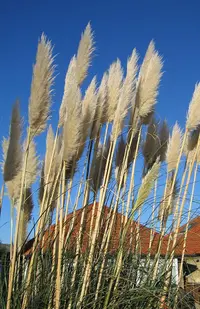


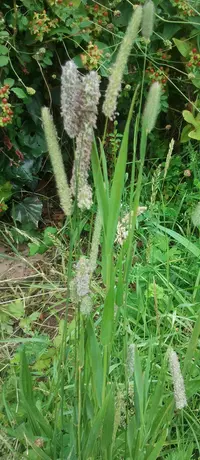


Pampas grass (Cortaderia selloana) Light Needs

Pampas grass grows best in full sun, with long daily exposure and several hours of direct sunlight.

Light Preference

Full Sun

Cortaderia selloana Light Requirements

Cortaderia selloana is native to open grasslands of southern South America, where plants grow in exposed sites with little overhead shade. These habitats receive strong seasonal sun, open air, and long daylight during the growing season.

That background explains its performance in gardens: dense clumps and tall flower plumes develop best when light is direct for most of the day. Preferred light is full sun.

  • Ideal exposure:

    Ideal exposure: Pampas grass needs about 6–8 hours of full sun daily, including at least 6 hours of direct sun when possible.

  • All-day sun:

    It tolerates all-day sun well once established, especially in open outdoor sites with good air movement.

  • Partial sun:

    Partial sun can sustain growth, but fewer than 4–5 direct-sun hours often reduces density and plume production.

  • Reflected heat:

    Morning and midday sun are useful; intense reflected heat near walls or pavement can stress newly planted clumps.

Full sun is usually tolerated, but abrupt exposure can still cause stress.

Bleached blade patches:

Pale tan or whitish sections on the sun-facing side can follow a sudden move into harsher direct sun.

Crisped tips:

Dry, straw-colored tips may appear after intense reflected heat, especially near pavement or light-colored walls.

Scorched outer growth:

Outer leaves facing the strongest afternoon sun may look papery while shaded inner growth remains greener.

Stalled new shoots:

Fresh blades may emerge shorter or paler when heat and light intensity exceed what the plant was acclimated to.

Shift containers or new plantings out of reflected heat, or add temporary light shade during the hottest afternoon hours. Reintroduce stronger sun gradually over 1–2 weeks.

Low light is a common reason this species looks thin or fails to flower.

  • Leaning clump:

    Blades may angle toward the brightest side instead of forming an upright, even fountain.

  • Open center:

    Growth can become loose and sparse when light is too weak for dense shoot production.

  • Few plumes:

    Cortaderia selloana may produce fewer or no flower plumes in shade, even if foliage remains alive.

  • Small new blades:

    New growth may stay shorter and narrower during the active season when sun exposure is limited.

Move the plant to a more open, sunnier location if possible. Avoid treating shade-grown weakness as a fertilizer problem until light is corrected.

If the ideal site is not available, choose the brightest open area with at least 4–5 hours of direct sun. This is a workable compromise, but plume display may be lighter.

Remove nearby objects that cast long shadows, and position containers away from walls that block morning or midday sun.

Deep shade is not a suitable setup because it produces weak, sparse growth.

Get Personalized Care Plan

Scan your plant to receive care tips personalized for your specific plant

FAQ

Pampas grass light requirements are highest in full sun. The species grows densest and flowers best with open exposure and several hours of direct sun each day.

More Plant Light Guides

Get the Botan App

Discover how to care for your plants with Botan.

Botan app identifying a plant with a phone camera
How Fast Does Bamboo Grow Per Day, Month, and Year

10 min read · 7 Jul 2026

How Fast Does Bamboo Grow Per Day, Month, and Year

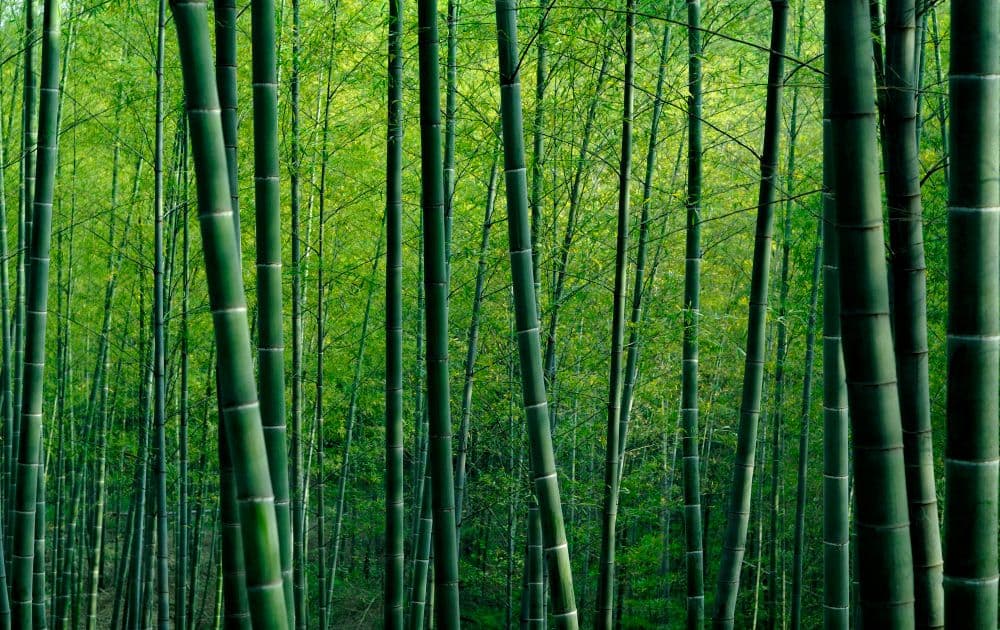
Bamboo grows extremely fast: some species can reach 5-6 m in just 3-4 months under the right conditions. This guide explains how much bamboo can grow per day, week, and year, and what affects its growth rate.

Plant Recommendations
How Fast Does Bamboo Grow Per Day, Month, and Year
20 Most Popular Fruits Around the World

7 min read · 22 Jul 2026

20 Most Popular Fruits Around the World

Curious which fruits the world actually eats the most? Here's the top-20 by production volume, an overview of what people choose in each region, and a few figures that defy common assumptions.

Plant Recommendations
20 Most Popular Fruits Around the World
How to Winterize Your Garden in 6 Steps

5 min read · 28 Sept 2026

How to Winterize Your Garden in 6 Steps

Learn how to prepare your garden for winter with a practical six-step checklist covering cleanup, tender plant care, watering, mulching, winter protection, and winterizing equipment and containers.

Plant Care
How to Winterize Your Garden in 6 Steps