






timothy (Phleum pratense) Light Needs

timothy grows best in full sun, with several hours of direct light each day during the growing season.

Light Preference

Full Sun

Phleum pratense Light Requirements

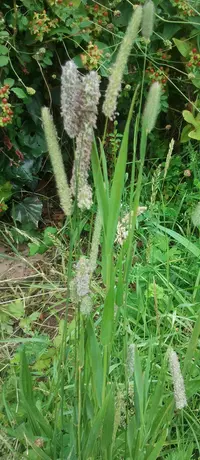
Timothy is a cool-season grass of open meadows, pastures, roadsides, and hay fields, where overhead light is strong and shade is limited for most of the day. It grows during mild weather and uses long spring and early summer days to build leafy growth and seed heads. In cultivation, the same open exposure supports dense, upright growth. Preferred light is full sun.

  • Ideal exposure:

    timothy needs about 6–8 hours of full sun daily, including at least 6 hours of direct sun for dense growth.

  • Full sun tolerance:

    Established plants tolerate all-day sun, especially in cool spring and early summer weather.

  • Partial sun limit:

    Four–6 hours of direct sun can keep growth alive, but stands are usually thinner and less productive.

  • Hot afternoon sun:

    Very hot exposed sites can cause temporary scorch or bleaching, especially after sudden moves from shade.

Full sun is normal, but sudden intense exposure can stress growth.

Bleached blades:

Leaf blades may turn pale tan or straw-colored on the most exposed side after an abrupt increase in sun.

Papery tips:

Fine tips can become dry and papery when strong sun combines with reflected heat from pavement or walls.

Midday limpness:

Clumps may look limp during peak afternoon exposure, then stand more upright as temperatures ease.

Early bleaching:

Seed heads may fade earlier than expected in very hot, open sites.

Reduce stress by moving container-grown plants to morning sun for a few days, or add light afternoon shade during heat waves. Return to longer sun exposure gradually.

Low light usually shows as weak, open growth rather than sudden damage.

  • Leaning stems:

    Stems and seed heads may lean toward the brightest side instead of standing evenly upright.

  • Open clumps:

    New shoots may be fewer, leaving the clump or stand thin at the base.

  • Long soft blades:

    Blades may stretch longer and softer as the plant reaches for stronger light.

  • Fewer seed heads:

    Flowering and seed head formation may be reduced in shaded sites.

  • Slow regrowth:

    Spring or post-cutting regrowth may be weak when shade persists through the active season.

Move Phleum pratense to a more open site with at least several hours of direct sun. Remove nearby shade where practical.

Choose the brightest open area available if full sun is not possible, and aim for at least 4–6 hours of direct sun.

Trim or relocate nearby shade sources, and keep containers away from fences, walls, or overhangs that block overhead light.

Deep shade is unsuitable because it produces thin, weak growth instead of a dense stand.

Get Personalized Care Plan

Scan your plant to receive care tips personalized for your specific plant

FAQ

timothy light requirements are full sun outdoors. This species grows best with strong, direct exposure for most of the day and usually becomes thinner when grown in shade.

More Plant Light Guides

Get the Botan App

Discover how to care for your plants with Botan.

Botan app identifying a plant with a phone camera
Best Water for Plants – How to Choose the Right Type

7 min read · 13 Aug 2026

Best Water for Plants – How to Choose the Right Type

Rainwater, filtered, distilled, and tap water affect plants differently. Learn which types support healthy growth and which cause slow damage. Match each to your plants and discover how to easily improve tap water quality.

Plant Care

Best Water for Plants – How to Choose the Right Type
Best Bedroom Plants – Top 10 to Grow in Your Space

8 min read · 8 Jul 2026

Best Bedroom Plants – Top 10 to Grow in Your Space

Discover the top 10 houseplants that are suitable for growing in your bedroom. Compare their light and water needs, pet safety, and benefits. Find out where best to place greenery in your relaxation space and what species to avoid.

Plant Recommendations
Best Bedroom Plants – Top 10 to Grow in Your Space
How to Group Plants in Landscaping: A Practical Layout Guide

8 min read · 31 Aug 2026

How to Group Plants in Landscaping: A Practical Layout Guide

Good plant grouping can mean the difference between a well-planned garden and one that looks sloppy. This guide explores layers, spacing, cluster shapes, and the plants that thrive when you group them.

Plant Care
How to Group Plants in Landscaping: A Practical Layout Guide