Managed grazing rotation
Use rotational grazing with short grazing periods followed by 3–4 weeks of rest so Meadow Brome can rebuild root reserves and maintain dense, productive stands.

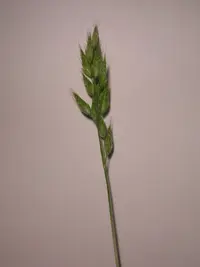
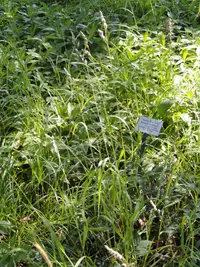
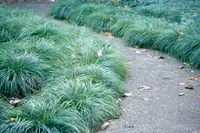
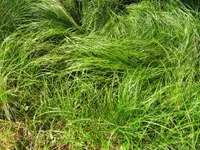
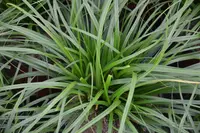
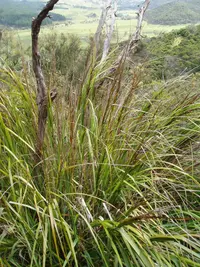
Meadow brome, Bromus commutatus, is a cool-season bunchgrass commonly found in moist meadows, pastures, and field margins. It forms loose clumps with upright, softly arching stems and narrow leaves.
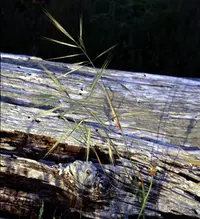
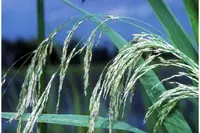
The plant occurs across much of Europe and has naturalized in parts of North America, especially in cooler, wetter regions. Seed heads are open and airy, giving a fine-textured look in mixed grass stands.
This grass establishes fairly easily in suitable conditions but prefers consistent moisture and fertile, well-drained soil. Understanding how to care for Meadow Brome mainly involves matching its need for cool temperatures and moderate light.
It is often used for forage, soil stabilization, and naturalistic plantings where a resilient, cool-season grass is desired.

Care Difficulty
Easy Care

Light Preference
Full Sun

Water Requirements
Moderate Water

Temperature Preference
Cold Hardy

Hardiness Zone
4–8

Soil Texture
Loamy, Silty, Clay

Soil pH
Slightly acidic (6.5–7.0), Neutral (7.0)

Soil Drainage
Moist but well-drained

Fertilization
Minimal (feed rarely)
Scan your plant to receive care tips personalized for your specific plant
Available on iOS and Android
This cool-season grass prefers bright, open conditions for strong growth and seed production.
Watering should support steady growth without keeping the soil saturated.
This species is a cool-season grass that performs best in moderate temperatures.
Humidity is not a critical factor for Bromus commutatus, which adapts well to typical outdoor air conditions.
This grass prefers moderately fertile, moist but free-draining soil that does not stay waterlogged.
This species can be grown in containers, mainly for temporary display, trials, or seed production rather than long-term ornamental use.
This cool-season grass usually needs only modest feeding, especially in fertile soils.
Pruning Bromus commutatus focuses on cleanup and stand renewal rather than shaping individual plants.
This grass is usually grown in the ground, so management focuses on field establishment and occasional transplanting rather than frequent repotting.
New Bromus commutatus plants are most often raised from seed, with division used to refresh established stands.
This cool-season grass is generally cold hardy and needs little specific winter care in most temperate climates.

Plant Health Check
Not sure what's wrong with your plant? Check your plant's health inside the app.
This species is naturally associated with damp meadows, ditches, and stream edges across much of Europe and parts of western Asia, where it prefers seasonally wet but not permanently flooded soils.
Bromus commutatus often behaves as a short-lived perennial or facultative annual, adjusting its life cycle length depending on local disturbance, mowing, or grazing regimes.
It can be distinguished from related meadow brome species by its rather loose, drooping flower panicles with relatively long-awned spikelets that give the plant a noticeably nodding appearance at maturity.

In several European countries, Bromus commutatus is considered an indicator of traditionally managed, species-rich wet meadows, so its presence is sometimes used in botanical surveys to assess the conservation value of grassland habitats.
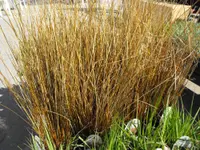
This grass spreads mainly by seed and short rhizomes, forming loose clumps rather than dense sod. In managed gardens or pastures it is not usually aggressive, but in fertile, moist sites it can slowly expand its patch.
Keep your plants happy and healthy with plant identification, disease detection, and easy care guidance.