purple false brome Care (Brachypodium distachyon)

Also known as: Stiff brome
purple false brome

About purple false brome

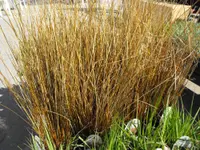
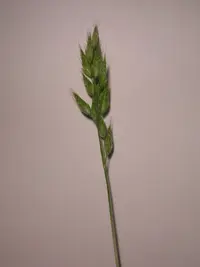
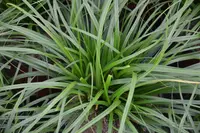
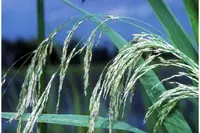
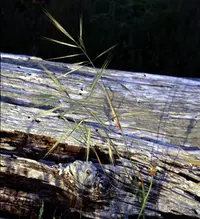
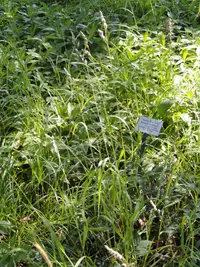
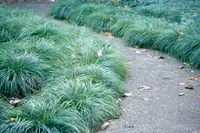
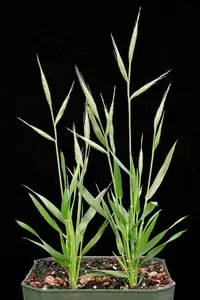
Purple false brome, Brachypodium distachyon, is a small annual grass often used as a model plant in research and occasionally grown as an ornamental grass. It forms low clumps with narrow leaves and upright flowering stems that carry delicate, bristled seed heads.

In nature, it occurs in Mediterranean and temperate regions, typically in open, sunny sites with well-drained soils. It is generally undemanding and adapts to a range of garden soils, which makes it relatively easy to manage once established.

Those learning how to care for purple false brome should know it prefers moderate moisture, good light, and not overly rich soil, which helps keep growth compact and controlled.

Main Plant Requirements

Care Difficulty

Easy Care

Light Preference

Full Sun

Water Requirements

Moderate Water

Temperature Preference

Cool Climate

Hardiness Zone

5–9

Soil Texture

Sandy, Loamy, Silty

Soil pH

Acidic (5.5–6.5), Slightly acidic (6.5–7.0)

Soil Drainage

Well-drained

Fertilization

Minimal (feed rarely)

Get Personalized Care Plan

Scan your plant to receive care tips personalized for your specific plant

Available on iOS and Android

How to Care for the purple false brome

This small annual grass prefers open, sunny sites but tolerates some shade in mild climates.

  • Provide 6–8 hours of direct sun daily; morning sun with light afternoon shade works best in hotter regions to limit leaf scorch on purple false brome.
  • Plant in an open exposure rather than under dense tree canopies; light, shifting shade for up to 3–4 hours still supports compact growth.
  • In winter or cloudy seasons, ensure as much unobstructed light as possible; prolonged low light leads to weak, floppy stems and reduced seed production.

This grass prefers evenly moist, well‑drained soil and does not handle prolonged saturation.

  • Allow the top 2–4 cm of soil to dry between waterings; soil should feel slightly dry at the surface but still faintly moist below.
  • Increase watering during active growth in spring and early summer, then reduce once flowering finishes or during cool, dormant periods.
  • Watch for yellowing, soft bases and a sour smell as signs of overwatering, while crisp leaf tips, rolling leaves, and slow growth in Brachypodium distachyon indicate underwatering.

This cool‑season grass grows best in mild conditions and tolerates moderate cold.

  • Aim for 55–70°F (13–21°C) during active growth; it performs strongly in cool spring and fall rather than peak summer heat.
  • Mature plants tolerate brief drops to about 20°F (−6°C), but repeated hard freezes below this can damage foliage and reduce survival.
  • Above 85°F (29°C) growth slows; combine slightly higher soil moisture and some afternoon shade in heat waves, and avoid hot, reflective sites that trap heat.

This grass tolerates a wide humidity range and usually does not need special air-moisture control.

  • Aim for 30–60% humidity; typical indoor air suits purple false brome without adjustment.
  • Leaves curling or browning at tips during heated, very dry conditions can indicate humidity-related stress.
  • If air is extremely dry near heaters or vents, group pots together or move the plant slightly away from direct airflow.

Brachypodium distachyon prefers light, well-drained mineral soils that do not stay wet for long periods.

  • Use a mix of 60–70% sandy or loamy garden soil with 30–40% compost to support fibrous root development.
  • Ensure fast drainage by blending in coarse sand or fine grit; avoid heavy clay that compacts when wet.
  • Maintain soil pH near neutral, around 6.0–7.5, since strongly acidic or alkaline conditions reduce nutrient uptake.
  • Break up dense layers and avoid adding large amounts of peat alone, which can hold excess water and limit aeration.

This species is suitable for container growing when the pot setup supports its fibrous root system and upright clumps.

  • Choose a container wider than it is deep to accommodate spreading clumps and prevent the plant from becoming top-heavy.
  • Select a heavier material such as ceramic if grown outdoors in windy sites to reduce tipping risk.
  • Elevate the pot slightly on feet or bricks so drainage holes clear quickly after rain or irrigation, preventing crown rot.

This small annual grass has modest nutrient needs but responds to light feeding in active growth.

  • Use a balanced, water‑soluble fertilizer (for example 10‑10‑10) at 1/4–1/2 strength for caring for purple false brome in pots or nutrient‑poor soils.
  • Apply every 3–4 weeks during spring–summer while plants are actively growing, then stop feeding once flowering and seed set finish.
  • In garden beds with reasonable soil, a thin layer of compost in early spring is usually enough.
  • Do not fertilize during winter or after plants have senesced, as extra nutrients will not improve performance.

Pruning needs for Brachypodium distachyon are minimal and mainly cosmetic.

  • Cut back dead or winter‑killed foliage in late winter or very early spring using clean scissors or hand shears.
  • Remove damaged, lodging (flattened), or diseased stems during the season to improve airflow and reduce fungal issues.
  • Shearing the clump lightly after seed set can neaten appearance but may reduce reseeding.
  • Avoid cutting into young emerging shoots, which provide the next flush of growth.

This grass is most often grown in the ground or research plots and is short‑lived, so frequent repotting is rarely needed.

  • Transplant or pot up in early spring when new growth starts, choosing a slightly larger container only if roots circle the pot or growth slows.
  • Plan on replanting new Brachypodium distachyon plants each year rather than long‑term up‑potting, since it is an annual species.
  • Move plants with a small, intact root ball, disturbing roots as little as possible and watering thoroughly to settle soil.
  • Provide bright light and steady moisture for 1–2 weeks after transplanting to reduce stress and support quick reestablishment.

Propagation of Brachypodium distachyon is typically done from seed for both research and ornamental use.

  • Sow fresh seed in late winter–early spring, indoors under lights or in a protected outdoor frame.
  • Use a fine, well‑drained seed mix; press seeds into the surface and cover very lightly, as excess depth reduces germination.
  • Maintain 65–75°F, consistent moisture, and good air movement until seedlings establish.
  • Division of small clumps is possible but less common and should be done in early spring with sharp, clean tools.

This cool‑season annual grass is naturally cold tolerant and usually requires little specific winter care.

  • In most temperate climates, plants survive normal frosts and complete their life cycle without protection.
  • Mulch lightly in exposed sites to moderate soil temperature and reduce heaving in freeze–thaw conditions.
  • Container plants in very cold regions can be moved to an unheated but sheltered spot to limit root freezing and drying.

Care Tips

Staggered Succession Sowing

Sow small patches 1–2 weeks apart to ensure a continuous stand for observation or research, and label each sowing date so you can compare development stages and adjust future timing when growing purple false brome.

Controlled Vernalization Setup

For experiments requiring flowering, chill young plants or germinated seedlings at 35–45°F under low light for several weeks, keeping trays just moist, then return them to long-day conditions to synchronize heading and flowering time.

Dense Plot Spacing

Plant in tight rows or micro-plots with consistent spacing and avoid unnecessary thinning so the canopy closes quickly, which reduces weed pressure and produces more uniform biomass for study or harvest.

Clean Seed Handling

Before sowing or storing, gently rub and sieve harvested seed heads to remove chaff, then dry the cleaned seeds in a thin layer in a low-humidity, shaded place to reduce mold risk and improve germination uniformity.

Mesh Netting For Heads

If birds are a problem, slip fine mesh bags or netting over maturing seed heads and secure them loosely at the base, which both protects seeds from loss and prevents shattering losses when heads dry on the plant.

Common Pests and Diseases

Powdery mildew

This disease causes white, powdery fungal growth on leaves and stems, especially in dense or humid conditions. Symptoms include reduced vigor and, in heavy infections, yellowing and premature leaf death.

Solution

Improve air circulation around plantings, avoid overhead watering, and remove heavily infected foliage to reduce inoculum. If needed, apply a sulfur or potassium bicarbonate-based fungicide labeled for grasses, following label rates, and space plants so leaves dry quickly after moisture events.

Eyespot

This disease produces elliptical, eye-shaped lesions at the leaf sheath and lower stem, which can weaken tillers and cause lodging in dense stands. Symptoms include tan to brown centers with darker margins at the leaf base or node areas.

Solution

Rotate away from continuous grass crops, remove or finely chop plant residues after flowering, and avoid excess nitrogen that promotes lush, susceptible growth. In research or production settings, a fungicide registered for cereal eyespot can be used preventively at early stem elongation if pressure is historically high.

Leaf rust

This disease creates small, orange-brown pustules on leaf surfaces that may coalesce and cause leaf yellowing and early senescence. Symptoms include a dusty spore layer that rubs off on fingers or nearby surfaces.

Solution

Select and maintain lines with rust tolerance where possible and avoid overly dense, continuously moist stands. Remove heavily infected material after experiments or flowering, and in high-value settings use a labeled systemic fungicide for rust on grasses, applied at first appearance of pustules.

Aphids

These insects feed on sap from leaves and stems, leading to curling, yellowing, and stunted growth, and may excrete sticky honeydew that encourages sooty mold. This pest can also vector certain grass viruses that reduce plant vigor.

Solution

Dislodge colonies with a strong stream of water and encourage natural predators such as lady beetles by minimizing broad-spectrum insecticides. In persistent infestations, use insecticidal soap or a low-toxicity horticultural oil, making sure to cover leaf undersides and repeat as needed according to label directions.

Cereal leaf beetle

This pest consumes leaf tissue, with larvae scraping the surface and leaving long, whitish strips between veins, which reduces photosynthetic area. Severe feeding on flag leaves can noticeably reduce biomass and seed production.

Solution

Hand-pick adults and larvae from small plantings and destroy them, and monitor regularly during spring feeding peaks. In field or large research plots with economic damage, apply a selective insecticide labeled for cereal leaf beetle at the early larval stage, targeting the upper canopy where feeding is most intense.

Interesting Facts

Model grass genome

This species was the first temperate grass to have its genome fully sequenced, and its genome is unusually small and simple for a grass, which makes it a preferred model for studying cereal crops like wheat and barley.

Short, rapid life cycle

Under controlled conditions it can complete its life cycle from seed to seed in about 8–12 weeks, allowing researchers to study multiple generations per year and accelerate genetic experiments.

Cold-tolerance research tool

Its natural adaptation to Mediterranean and temperate climates, including tolerance to cool conditions, makes it a key system for studying how grasses respond to low temperatures and winter stress in Brachypodium distachyon plant care and crop science.

Botan icon

Did you know?

This grass is now used as a bridge species in evolutionary studies, helping scientists connect molecular findings in small model plants like Arabidopsis with those in large, complex crop grasses such as wheat, oats, and forage grasses, because it occupies an intermediate position in grass evolution and shares many structural traits with major cereals.

FAQs about purple false brome

This grass species grows relatively quickly, often reaching near-mature size in a single growing season under good light, moisture, and nutrient conditions. Cooler temperatures or nutrient-poor substrates slow its development and tiller production.

Grow Healthy Plants with Botan Care

Keep your plants happy and healthy with plant identification, disease detection, and easy care guidance.

Botan plant care app — identify plants on mobile

Explore More Plants