sorghum Care (Sorghum bicolor)

Also known as: chicken corn, Broom-corn, Great Millet, Broom Millet, Forage Sorghum, Grain Sorghum, Ornamental Grass, common wild sorghum, Milo, Shattercane, Sudan Grass
sorghum

About sorghum

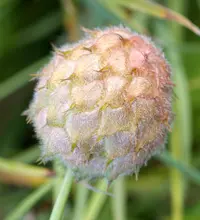
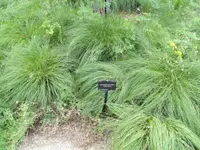
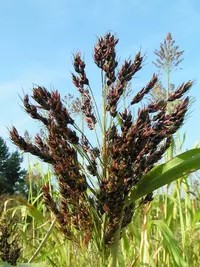
Sorghum bicolor, commonly called sorghum, is a warm-season grass grown mainly as a grain, forage, or bioenergy crop. It forms upright clumps with tall, cane-like stems and a flowering head of dense grain clusters.

The species originated in Africa and is now widely cultivated in warm and semi-arid regions worldwide because of its strong drought tolerance. It is generally considered easy to grow where summers are warm, especially in well-drained soil with full sun and moderate moisture.

For home growers, understanding how to care for sorghum mainly involves providing warmth, consistent light, and soil that does not stay waterlogged.

Main Plant Requirements

Care Difficulty

Easy Care

Light Preference

Full Sun

Water Requirements

Moderate Water

Temperature Preference

Tropical / Frost Sensitive

Hardiness Zone

8–11

Soil Texture

Sandy, Loamy, Clay

Soil pH

Acidic (5.5–6.5), Slightly acidic (6.5–7.0)

Soil Drainage

Well-drained

Fertilization

Minimal (feed rarely)

Get Personalized Care Plan

Scan your plant to receive care tips personalized for your specific plant

Available on iOS and Android

How to Care for the sorghum

This warm-season grass needs strong, consistent light for efficient growth and grain production.

  • Provide 6–8 hours of direct sun daily; full, open exposure is best for tall, sturdy plants.
  • Tolerates light partial shade (2–3 hours), but sorghum may grow taller, thinner stalks and set fewer seeds in reduced light.
  • In hot regions, slight afternoon shade can limit leaf scorch, while in cool or cloudy seasons, prioritize maximum open-sky exposure.

This crop prefers evenly moist, well-drained soil and copes better with short dry spells than with standing water.

  • Irrigate when the top 5–7 cm of soil feels dry, aiming to wet the root zone 15–20 cm deep, then allow excess water to drain.
  • During hot, windy periods, monitor leaf roll or dull, bluish foliage as a sign Sorghum bicolor needs water; reduce watering once seed heads mature.
  • Avoid waterlogged soil; persistent puddling, foul smell, or yellowing, limp lower leaves indicate overwatering or poor drainage.

This species is a warm-season grass that performs best in consistently warm conditions without frost exposure.

  • Optimal growth occurs at 75–90°F (24–32°C), supporting rapid stem elongation and panicle development.
  • Seeds germinate reliably once soil stays above 60°F (16°C); avoid planting outdoors until night air temperatures remain over 55°F (13°C).
  • Plants are frost-sensitive and typically damaged below 32°F (0°C), but tolerate short heat spikes up to about 100°F (38°C) if soil moisture is adequate.

Humidity is rarely a limiting factor for sorghum and standard outdoor levels are usually adequate.

Sorghum bicolor performs best in well-structured, freely draining mineral soils that do not stay waterlogged.

  • Aim for a loamy or sandy-loam texture that holds some moisture but drains within a few hours after irrigation or rain.
  • Incorporate 20–30% compost by volume to improve structure, nutrient supply, and root penetration without making the soil heavy.
  • Maintain a slightly acidic to neutral pH around 6.0–7.5; avoid strongly acidic or saline conditions that restrict nutrient uptake.
  • On heavy clay sites, mix in coarse sand or fine gravel and organic matter to improve aeration and reduce surface crusting.

This species can be grown in containers, but it requires careful attention to stability and root space.

  • Choose a deep, heavy container at least 30–40 cm tall so the root system can anchor the tall stems and resist wind rock.
  • Use a weighty base material such as clay or a sand-lined bottom in windy sites to prevent the pot from tipping as the plants mature.
  • Water so that excess drains quickly from the base, then empty saucers promptly to avoid prolonged saturation around the lower root zone.

Good nutrition supports strong growth and grain production in sorghum.

  • Use a balanced NPK granular or slow-release fertilizer, or well-rotted compost, worked into the topsoil before planting.
  • During active growth, side-dress once at 4–6 weeks with balanced NPK, following label rates rather than exceeding them.
  • On lighter, sandy soils, consider a second light feeding mid-season if foliage pales or growth slows.
  • Avoid fertilizing in late fall or winter to prevent weak, frost-sensitive growth.

Pruning needs for Sorghum bicolor are minimal and mainly maintenance-focused.

  • Time any pruning for late winter or early spring before new shoots elongate.
  • Cut out dead, broken, or disease-damaged stems at their base using clean, sharp shears.
  • Remove overly crowded or crossing tillers to improve air flow and reduce lodging in dense stands.
  • Avoid heavy cutting of green stems, which can reduce flowering and grain yield.

This species is usually field-grown, so care focuses on transplanting seedlings rather than long-term repotting.

  • Transplant when seedlings have 2–3 true leaves and roots lightly fill plug cells but are not circling.
  • Choose late spring once soil is warm and frost risk has passed, as cold soils slow establishment.
  • Move plants every 1–2 years only if used ornamentally in large containers, shifting to 5–10 gal pots.
  • Reduce root stress by watering well before lifting, handling root balls gently, and shading plants for 2–3 days after transplanting.

Multiplication of Sorghum bicolor is done almost exclusively from seed for both farm and garden use.

  • Sow seeds in late spring when soil reaches 60–65°F for reliable germination.
  • Use well-drained soil, plant seeds 2–3 cm deep, and keep the top layer evenly moist until emergence.
  • Provide full sun and moderate warmth; avoid waterlogging, which reduces germination and seedling vigor.
  • For indoor starts, use clean seed-starting mix, then harden off seedlings outdoors for 5–7 days before planting out.

Sorghum bicolor is a warm-season annual and normally completes its life cycle before winter, so ongoing winter care is limited.

  • Plants are frost-sensitive; even light freezes usually kill foliage and stems.
  • In cooler regions, harvest seed heads before the first hard frost to avoid weather damage.
  • After frost, remove and compost dead stems or incorporate residues into the soil for organic matter.

Care Tips

Wind‑firm staking

Install low, flexible stakes or biodegradable twine in windy sites to prevent tall stalks from lodging (bending or snapping) once heads begin to fill and become top‑heavy.

Side‑dressing at boot stage

Apply a small band of nitrogen fertilizer 10–15 cm away from rows when the upper leaves form a swollen “boot” around the emerging head to support grain filling without stimulating excessive leafy growth.

Targeted thinning

Thin crowded seedlings to the recommended spacing once plants reach 10–15 cm tall to improve air flow, reduce disease pressure, and encourage stronger, more uniform panicle development.

Panicle bagging for seed

If saving seed, slip breathable paper or mesh bags over nearly mature seed heads to prevent bird damage and seed loss while still allowing air circulation and finishing dry‑down.

Staggered sowing blocks

Sow small blocks of seed every 7–10 days rather than all at once to spread flowering and harvest times, which reduces peak pest pressure and makes managing and growing sorghum more predictable.

Common Pests and Diseases

Sorghum midge

This pest is a tiny orange-red fly whose larvae feed inside sorghum florets, destroying developing grains. Symptoms include partially filled or empty seed heads and fine webbing or frass in flowering panicles.

Solution

Monitor panicles daily at flowering and use early or synchronized planting so most heads flower before peak midge pressure. Where allowed, apply a labeled selective insecticide at early flowering if midges are numerous, and remove or plow down old sorghum residues that can harbor overwintering populations.

Fall armyworm

This pest is a caterpillar that feeds on leaves and can also bore into whorls and panicles, shredding foliage and reducing grain set. Symptoms include ragged leaf damage, windowed leaf tissue, frass in the whorl, and feeding on young grain in the head.

Solution

Inspect plants regularly, especially seedling to boot stage, and treat hotspots early by handpicking or spot-spraying with a labeled biological product such as Bacillus thuringiensis where permitted. Encourage natural enemies by avoiding broad-spectrum insecticides and manage grassy weeds near fields that can host larvae.

Sorghum anthracnose

This disease is caused by the fungus Colletotrichum sublineola and affects leaves, stems, and panicles. Symptoms include small water-soaked spots that turn red to purple with tan centers, possible stem lesions, and grain mold on infected heads in humid conditions.

Solution

Use resistant or tolerant sorghum hybrids when available and avoid continuous sorghum in the same field. Rotate with non-host crops, incorporate crop residues after harvest, and improve air circulation by avoiding overly dense plantings; fungicides may be used where labeled and timed at early disease onset in high-risk, humid regions.

Sorghum downy mildew

This disease, caused by Peronosclerospora species, leads to chlorotic striping or complete leaf bleaching and can cause systemic infection of plants. Symptoms include pale streaks, downy fungal growth on the underside of leaves in humid conditions, and stunted or deformed panicles with poor grain set.

Solution

Plant certified disease-free seed and choose resistant hybrids adapted to local conditions. Practice crop rotation of at least 2–3 years out of sorghum, destroy volunteer sorghum and grassy hosts, and avoid planting in fields with a history of severe downy mildew; seed treatments with labeled systemic fungicides can reduce primary infections.

Sorghum ergot

This disease affects the flowering heads and replaces ovules with white to pink sticky honeydew exuded from infected florets. Symptoms include sticky, sugary droplets on panicles that later support dark fungal growth and can cause grain loss and harvest contamination.

Solution

Use hybrids with uniform and early flowering and avoid very late sowing that exposes flowering heads to cool, wet weather, which favors infection. Remove and destroy heavily infected panicles when feasible, avoid nearby alternate hosts such as certain wild sorghums, and where recommended follow regional sorghum care instructions on fungicide use at early flowering in areas with recurrent ergot problems.

Interesting Facts

Dual grain and stalk use

This species has been selectively bred both for its starchy grain used in food products and for its tall, fibrous stalks used in syrup production, forage, and bioenergy research.

High drought tolerance

Its roots grow deeply and it can temporarily roll its leaves to reduce water loss, which helps it maintain productivity under low rainfall compared with many other cereal crops.

C4 photosynthesis specialist

Sorghum bicolor uses C4 photosynthesis, a pathway that concentrates carbon dioxide in specialized cells, improving water-use efficiency and heat tolerance in hot, bright environments.
Botan icon

Did you know?

Genetic studies show that Sorghum bicolor was independently domesticated more than once in Africa, and modern cultivated forms still retain high genetic diversity that plant breeders use to develop new drought- and heat-resilient cereal varieties.

FAQs about sorghum

Yes, this species is widely grown for edible grain, syrup, and sometimes forage. The grain is gluten-free and used in flour, porridges, and brewing. Some types are also chopped as livestock feed when properly harvested and cured.

Grow Healthy Plants with Botan Care

Keep your plants happy and healthy with plant identification, disease detection, and easy care guidance.

Botan plant care app — identify plants on mobile

Explore More Plants