southern cutgrass Care (Leersia hexandra)

Also known as: Cut Grass, Native rice grass, Rasp Grass, Swamp Cut Grass, Water Cut-Grass, Wild Ricegrass
southern cutgrass

About southern cutgrass

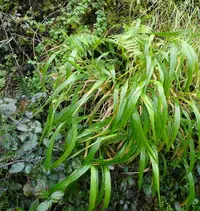
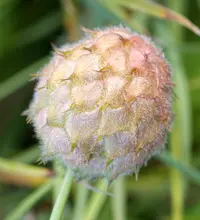
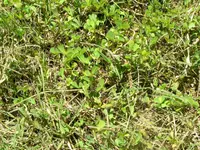
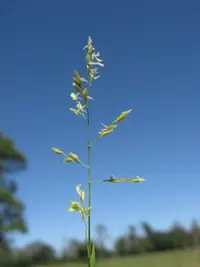
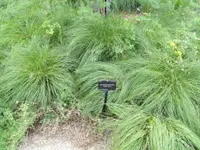
Southern cutgrass (Leersia hexandra) is a semi-aquatic grass that naturally grows along pond edges, ditches, and wet meadows in warm and tropical regions. It forms dense, low to medium-height clumps and spreads by creeping stems that root at the nodes.

Its leaves are narrow and can feel rough or slightly cutting along the edges, which is the origin of the common name. The plant prefers consistently moist or shallowly flooded conditions and does best in full sun to light shade.

Because it spreads quickly in the right conditions, it can be vigorous and sometimes invasive, so planning space and containment is important when learning how to care for southern cutgrass.

Main Plant Requirements

Care Difficulty

Moderate Care

Light Preference

Full Sun

Water Requirements

Aquatic

Temperature Preference

Tropical / Frost Sensitive

Hardiness Zone

8–11

Soil Texture

Loamy, Silty, Organic-rich

Soil pH

Acidic (5.5–6.5), Slightly acidic (6.5–7.0)

Soil Drainage

Waterlogged tolerant

Fertilization

Minimal (feed rarely)

Get Personalized Care Plan

Scan your plant to receive care tips personalized for your specific plant

Available on iOS and Android

How to Care for the southern cutgrass

This wetland grass thrives in bright outdoor conditions with access to steady moisture and soft light.

  • Provide 4–6 hours of sun daily, ideally gentle morning sun with dappled or filtered light after midday to protect foliage from scorching.
  • Accepts partial shade, especially in hot climates; 2–4 hours of direct morning sun plus bright shade helps southern cutgrass stay dense and upright.
  • Watch for pale, floppy growth as a sign of insufficient light and for crisp, browned leaf tips as an indicator of too much intense afternoon sun.

This species favors consistently wet conditions and tolerates shallow standing water better than drying out.

  • In natural or pond-edge settings, allow soil to remain saturated; do not let the root zone dry, especially in warm, windy weather.
  • For managed beds, water whenever the surface looks glossy-damp rather than dry and cracked; aim for at least 2–5 cm of consistently moist soil depth.
  • Yellowing, limp stems with foul-smelling, blackened roots suggest stagnant, oxygen-poor water, while crisp leaf edges and slow growth indicate the site is drying too much for Leersia hexandra.

This warm-temperate to subtropical grass grows best in mild, frost-free conditions.

  • Aim for 68–86°F (20–30°C) during the active growing season for strongest spread and steady foliage production.
  • Growth slows below about 59°F (15°C) and can be damaged near 32°F (0°C); repeated frosts may kill above-ground parts, with regrowth only if roots survive.
  • Tolerates short heat spikes up to about 95°F (35°C) if soil remains saturated; in hotter periods, deeper water or slight shade helps reduce temperature stress.

This semi-aquatic grass prefers very humid conditions and does poorly in dry air.

  • Aim for 70–100% humidity by keeping the root zone constantly wet or shallowly submerged.
  • Dry indoor air below 50% leads to browning leaf tips, curling, and stalled growth.
  • Increase humidity by using trays of water around the pot, grouping plants, or growing southern cutgrass in a shallow water container.

This species prefers saturated, poorly drained substrates rather than typical potting soil.

  • Use heavy clay or silty soil with high organic matter, such as a mix of garden loam, leaf mold, and compost in roughly equal parts.
  • Allow water to stand just above the soil surface so the root zone stays anaerobic-tolerant and consistently wet.
  • Soil pH can range from slightly acidic to neutral (about 6.0–7.2), which suits Leersia hexandra in most regions.
  • Avoid sandy, fast-draining mixes or peat-heavy indoor blends that dry quickly, since these lead to rapid stress and dieback.

This species can be grown in containers if the setup allows permanently wet or shallowly flooded conditions.

  • Choose a wide, stable tub or basin so the spreading rhizomes have horizontal room and the container does not tip when filled with water.
  • Use few or no drainage holes, or block some, to maintain a consistent water reservoir above the soil surface.
  • Place the container inside a larger waterproof tray or pond feature to catch overflow and keep a controlled shallow water level around the pot.

Leersia hexandra benefits from modest feeding in nutrient-poor or container conditions, but overfertilizing should be avoided.

  • Use a balanced liquid fertilizer (around 10-10-10) at 1/2 strength for southern cutgrass in containers or very poor soils.
  • Apply every 4–6 weeks during the warm growing season when growth is active.
  • Skip feeding or reduce to 1 light application during cool dormant periods or winter.
  • In rich, wet garden soil, rely mainly on organic matter such as thin layers of compost instead of frequent fertilizer.

Leersia hexandra responds well to light, periodic pruning to keep growth controlled and healthy.

  • Best timing is late winter or early spring before vigorous new growth, with light touch-ups in summer if needed.
  • Remove dead, damaged, or diseased stems first, cutting back to healthy tissue with clean shears.
  • Thin out the most crowded or sprawling shoots to improve air flow and maintain a tidy clump.
  • Use sharp scissors or hand pruners, cutting just above a node to encourage denser regrowth rather than long, floppy stems.

Leersia hexandra is more often transplanted in wet ground or pond margins than repotted, but container clumps still need periodic attention.

  • Plan transplanting or division in spring when water temperatures begin to rise and plants resume active growth.
  • Look for tight, congested clumps, roots circling a pot, or declining vigor as signs that a move or division is needed.
  • Lift clumps gently, keep roots moist, and replant at the same depth into saturated soil or shallow water to reduce shock.
  • Trim damaged roots lightly, shade for a few days, and maintain consistent moisture so the plant re-establishes quickly.

Leersia hexandra is commonly propagated by division and stem pieces rather than by seed for reliable results.

  • Divide mature clumps in spring or early summer, separating sections with several shoots and healthy roots.
  • Replant divisions immediately into shallow, consistently wet soil or marginal pond zones to avoid drying.
  • For stem pieces, select healthy, non-woody shoots and insert lower nodes into saturated substrate.
  • Keep water levels stable, provide bright light, and avoid strong currents until new roots and shoots develop.

In mild climates Leersia hexandra usually needs little winter care, but it is sensitive to hard freezes.

  • In regions with light frost, expect top growth to brown while underground parts survive and resprout in spring.
  • Apply a 5–8 cm mulch layer over rooted zones in late fall where winter dips below freezing.
  • Move container-grown plants to a frost-free, cool, bright spot and keep substrates moist but not stagnant.

Care Tips

Aquatic containment

Grow this species in a lined pond edge, wide container, or submerged basket to prevent uncontrolled spread and to simplify thinning and removal of aggressive rhizomes.

Rhizome renewal

Every 1–2 years, lift and divide congested clumps, discarding old woody rhizomes and replanting only the youngest, most vigorous sections to maintain dense, healthy growth.

Water movement management

Place the plant where there is gentle water movement or use a small pump to keep water very slightly flowing, which helps reduce algae buildup and improves oxygenation around the roots.

Nutrient-zone targeting

In ponds or water troughs, place the plant in a basket filled with low-peat, low-wood organic substrate and top with a thin layer of coarse sand or fine gravel to keep nutrients in the root zone and limit water fouling when caring for southern cutgrass.

Edge trimming strategy

Use long-handled shears or a serrated knife to regularly cut back stems that creep beyond the desired area, removing clippings from the water immediately to prevent decay and excess nutrient loading.

Common Pests and Diseases

Rice blast

This disease causes elongated gray or tan lesions with dark borders on leaves and can thin or kill patches in dense stands. Symptoms include weakened foliage that yellows and dies back more quickly in stressed or crowded plants.

Solution

Remove and discard heavily infected foliage to reduce spore spread, then thin or divide dense clumps so air and light can penetrate the stand. Avoid heavy nitrogen fertilization, keep foliage as dry as possible when-grown emergent at pond edges, and if used in constructed wetlands or research plots, apply a labeled fungicide for blast on grasses when conditions stay warm and humid for extended periods.

Bacterial leaf blight

This disease produces water-soaked, translucent to yellow streaks that expand along the leaf blade, often starting at the tip and moving downward. Symptoms include rapid leaf drying and a scorched appearance, especially in warm, stagnant water conditions.

Solution

Clip and remove blighted leaves to reduce bacterial load and avoid splashing contaminated water between plants. Improve water movement where possible, reduce overcrowding, and avoid handling foliage when it is wet; in managed plantings, use clean tools and, if disease is recurrent, consider rotating away from Leersia hexandra in that bed for a season.

Planthoppers

These insects feed on sap and may cause yellowing, stunting, and a general decline in vigor, especially in dense, nutrient-rich stands. This pest can also transmit viral diseases between individual plants in wetlands or flooded beds.

Solution

Rinse foliage with a strong water spray to dislodge nymphs and adults, and encourage predatory insects by avoiding broad-spectrum insecticides nearby. In high-value or monitored plantings, use yellow sticky cards for early detection and, if needed, apply an insecticidal soap or neem-based product directed at the undersides of leaves while avoiding drift into natural waterways.

Stem borers

These insects tunnel inside stems, causing wilting, hollow stems, and breakage, often in patches within a stand. Symptoms include dead central shoots that pull out easily from the clump.

Solution

Cut and destroy infested stems as soon as damage is seen to remove larvae from the site and limit their life cycle. Maintain mixed vegetation around stands to support natural enemies, and in managed wetland or research plots monitor regularly during warm months and time any biological or targeted insecticide treatments to the early larval stages inside stems.

Leaf spot complex

This disease group produces small brown, tan, or purplish spots on leaves that may coalesce into larger dead patches under prolonged leaf wetness. Symptoms include gradual thinning of foliage and reduced overall vigor rather than sudden dieback.

Solution

Remove and dispose of heavily spotted leaves and reduce overhead wetting of foliage where cultivation allows it. Improve spacing for better airflow, avoid excess nitrogen, and if growing southern cutgrass in controlled research or restoration plots, consider a grass-labeled fungicide only when leaf spots become extensive and environmental conditions remain humid for many days.

Interesting Facts

Unique floating stems

This semi-aquatic grass often develops trailing stems that root at the nodes and can float in shallow water, allowing it to spread efficiently across ditches, rice paddies, and wet pastures.

Specialist snail host

It acts as a key host plant for aquatic and semi-aquatic snails, many of which graze on the biofilm and algae that grow on its submerged parts, supporting freshwater food webs.

Heavy-metal tolerance

Populations from polluted wetlands have shown notable tolerance to heavy metals such as cadmium and lead, which has led to research interest in Leersia hexandra plant care for use in phytoremediation studies.

Botan icon

Did you know?

Leersia hexandra is one of the few grasses known to accumulate the metal nickel to unusually high levels in its tissues when growing on nickel-rich soils, a trait that has drawn attention from researchers studying metal hyperaccumulation and potential eco-restoration uses.

FAQs about southern cutgrass

This species spreads rapidly through creeping stems and rhizomes, especially in shallow or standing water. In suitable conditions it forms dense mats and can crowd out other plants, so edging, barriers, or regular thinning are often necessary.

Grow Healthy Plants with Botan Care

Keep your plants happy and healthy with plant identification, disease detection, and easy care guidance.

Botan plant care app — identify plants on mobile

Explore More Plants